Pet Affordability Crisis
Affordability Challenges Drive Down Pet Adoption Rates and Ownership, Bank of America Reports
Anonymous
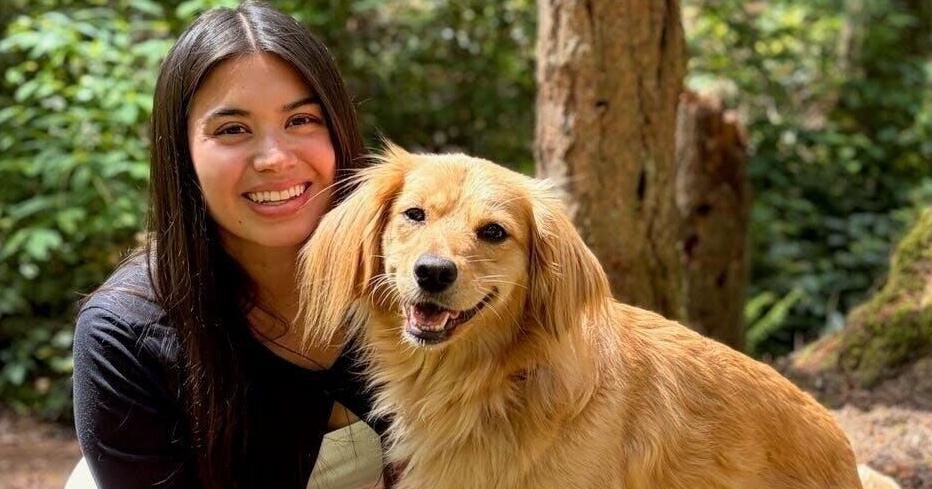
Pet adoption rates are falling across the U.S., and the main culprit is cost. A new Bank of America Institute analysis finds that rising expenses — especially veterinary care — are making pet ownership harder to afford for millions of Americans. Crossroads Today reported that the trend is pushing people away from adopting animals altogether.
About 95 million U.S. households own a pet today, or roughly 71% of Americans, according to Tucson.com. But that number is growing more slowly than before. The U.S. pet market is expanding at a reduced pace as affordability becomes a bigger barrier for animal lovers.
Veterinary Costs Lead a Broad Rise in Pet Expenses
Spending on pet goods and services is going up. Pet store sales rose 1% year over year, according to Bank of America data cited by Tucson.com. But the biggest jump came from veterinary care, which saw the steepest increase of any pet-related category. Vet bills are now a major financial strain for many pet owners.
The rising costs are not limited to medical care. Food, supplies, and grooming have all gotten more expensive. For many households, the total cost of owning a pet has become too high to manage. That pressure is showing up directly in adoption numbers — fewer people are bringing animals home.
Lower-Income Households Feel the Sharpest Squeeze
Not all pet owners are feeling the pinch equally. Lower-income households are cutting back on pet spending the most. Channel 3000 reported that this group saw the sharpest drop in pet spending — nearly 0.7% between 2025 and 2026. That is a significant pullback compared to higher-income pet owners.
This gap shows how affordability is splitting the pet market. Wealthier households can absorb rising vet bills and food costs. Lower-income families often cannot. The result is that pet ownership is slowly becoming something fewer people at the bottom of the income ladder can maintain or pursue.
Dogs Still Top the List, but Ownership Momentum Is Slowing
Dogs remain the most common pet in America, found in 68% of pet-owning households. Cats come in second at 46%, according to the Bank of America Institute data reported by Democrat Herald. These numbers reflect how deeply pets are woven into American life — but the growth in new ownership is stalling.
The slowdown is not a collapse. Tens of millions of Americans still own and love pets. But the pace of new adoptions has clearly slowed. Shelters and rescue groups may feel this most — fewer adopters means more animals waiting longer for homes.
A Cooling Pet Market After Years of Pandemic-Driven Growth
Pet ownership surged during the COVID-19 pandemic as people stuck at home sought companionship. That boom drove years of rapid growth in the pet industry. Now, that wave has receded. The Bank of America Institute analysis suggests the market is settling into a slower, more cautious phase driven by economic reality.
The broader picture is one of a market adjusting to tighter budgets. Helena Air noted that the cost increases are changing how Americans think about pet ownership — not just whether to adopt, but how much care they can realistically provide. For the pet industry and animal shelters alike, affordability is now the central challenge.
Sentiment
NeutralNEGATIVENEUTRALPOSITIVE
Publishers
14
Articles
13
Reach
14
A
AnonymousAuthor


