Ukraine Energy Under Attack
Russia escalates missile and drone attacks on Ukraine's energy infrastructure, impacting gas output.
Key Points
One Naftogaz asset was attacked multiple times over the course of the week, signaling repeated targeting of the same facility.
On the night of August 9, Russian drones attacked the production assets and drilling site of Ukrnafta, expanding the strikes beyond Naftogaz to include Ukrnafta assets.
The year-to-date intensity of attacks on Naftogaz Group facilities has reportedly more than doubled versus previous years, underscoring a sharp escalation in strikes.
Market observers have heightened expectations that Russian forces may move toward Sloviansk, with odds reflected in prices and analysis.
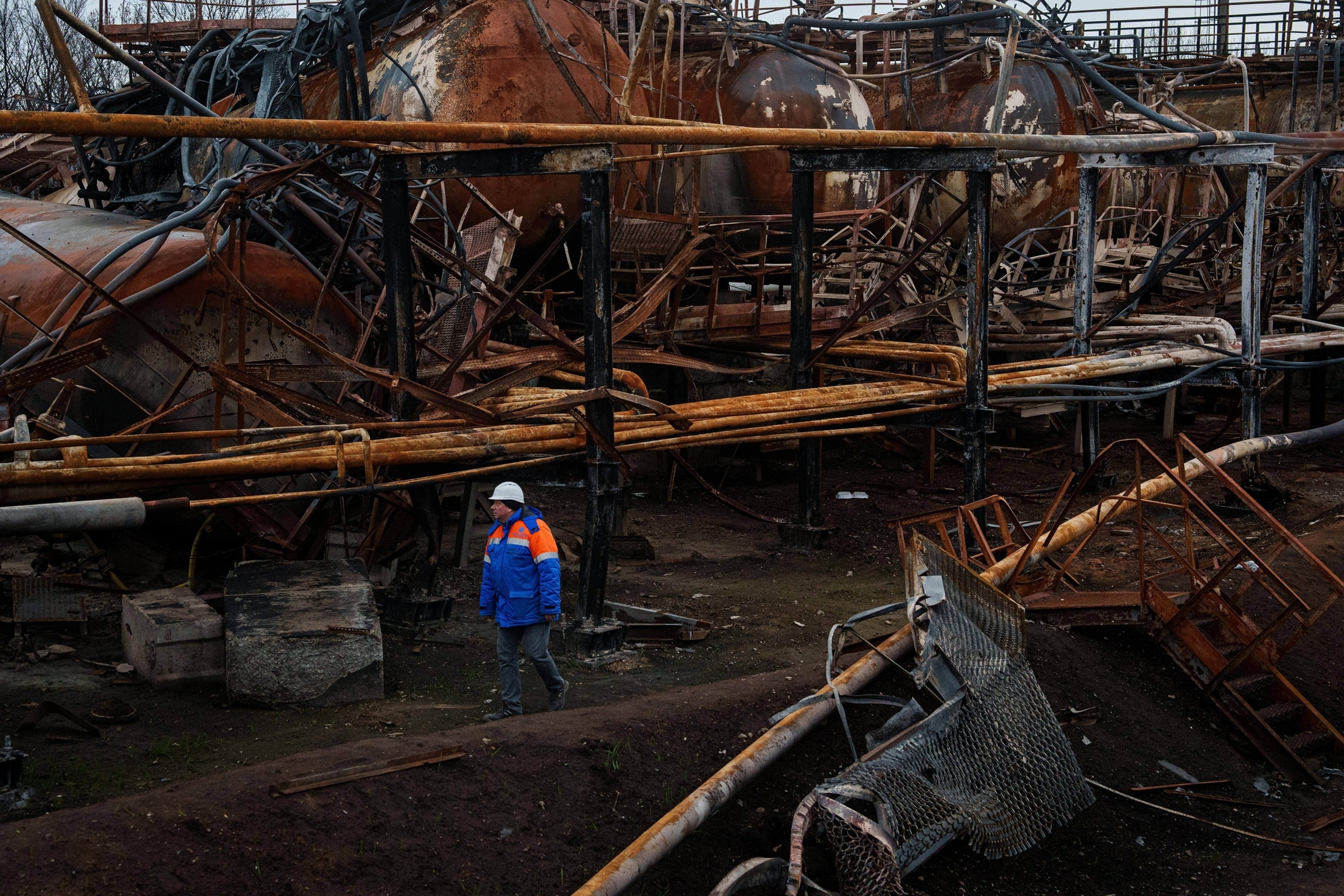
Russian forces struck Naftogaz Group facilities 13 times in a single week, hitting production sites across multiple Ukrainian regions with missiles and drones, according to Crypto Briefing. The attacks damaged equipment and forced some sites to suspend operations, cutting into Ukraine's gas output.
Since the start of 2026, Russia has attacked Naftogaz facilities 293 times — a pace that has more than doubled compared with previous years, according to Whalesbook. The strikes are part of a broader campaign to cripple Ukraine's energy sector ahead of the next heating season.
293 Strikes and Counting: The Scale of the Campaign
Russia's assault on Ukraine's energy grid is accelerating. Since January 2026, Naftogaz Group has logged 293 attacks on its facilities. That figure represents a sharp jump from prior years. The week of attacks — 13 in seven days — was not an isolated burst. It fits a deliberate, sustained pattern of targeting energy infrastructure, according to Whalesbook.
One Naftogaz asset was hit multiple times during the week alone. That repeated targeting of the same facility suggests Russian forces are trying to finish off specific sites, not just cause scattered damage. Some locations were forced to halt operations entirely after the strikes.
Drones Hit Ukrnafta Drilling Sites Overnight
The strikes went beyond Naftogaz. On the night of August 9, Russian drones attacked production assets and a drilling site belonging to Ukrnafta, a separate Ukrainian energy company, according to Crypto Briefing. The attack shows Russia is widening its targets across the whole energy sector, not just state gas infrastructure.
Naftogaz said none of its employees were injured during the week's attacks. The company credited safety precautions taken at its facilities. Still, the damage to equipment and production capacity was real — and the loss of output adds pressure to Ukraine's energy supply heading into colder months.
Sloviansk on Edge as Military Pressure Builds
The energy strikes are unfolding alongside growing military tension in eastern Ukraine. Market observers have raised expectations that Russian forces could push toward Sloviansk, a key city in the Donetsk region. Those expectations are already showing up in analyst pricing and assessments, according to Whalesbook.
A move toward Sloviansk would mark a significant escalation on the ground. Combined with the relentless strikes on energy infrastructure, it signals that Russia is applying pressure on multiple fronts at once — military, economic, and civilian — heading into what could be a critical period for Ukraine.
What the Attacks Mean for Ukraine's Heating Season
Ukraine's gas production is taking direct hits. Damaged drilling sites and suspended operations mean less domestic supply. That gap has to be filled somehow — through imports or reserves — at a time when war spending is already straining the country's finances, according to Crypto Briefing.
Experts frame these attacks as a long-term strategy to exhaust Ukraine's energy infrastructure before winter. With 293 attacks already logged in 2026 and the pace still rising, Naftogaz and its workers face the prospect of operating under near-constant threat through the coldest months of the year.
Sentiment
Mostly NegativePublishers
11
Articles
14
Reach
25


