Israeli Intelligence's Iran Influence
Sources Reveal Israeli Intelligence Influenced Trump Administration's Iran Policy Decisions
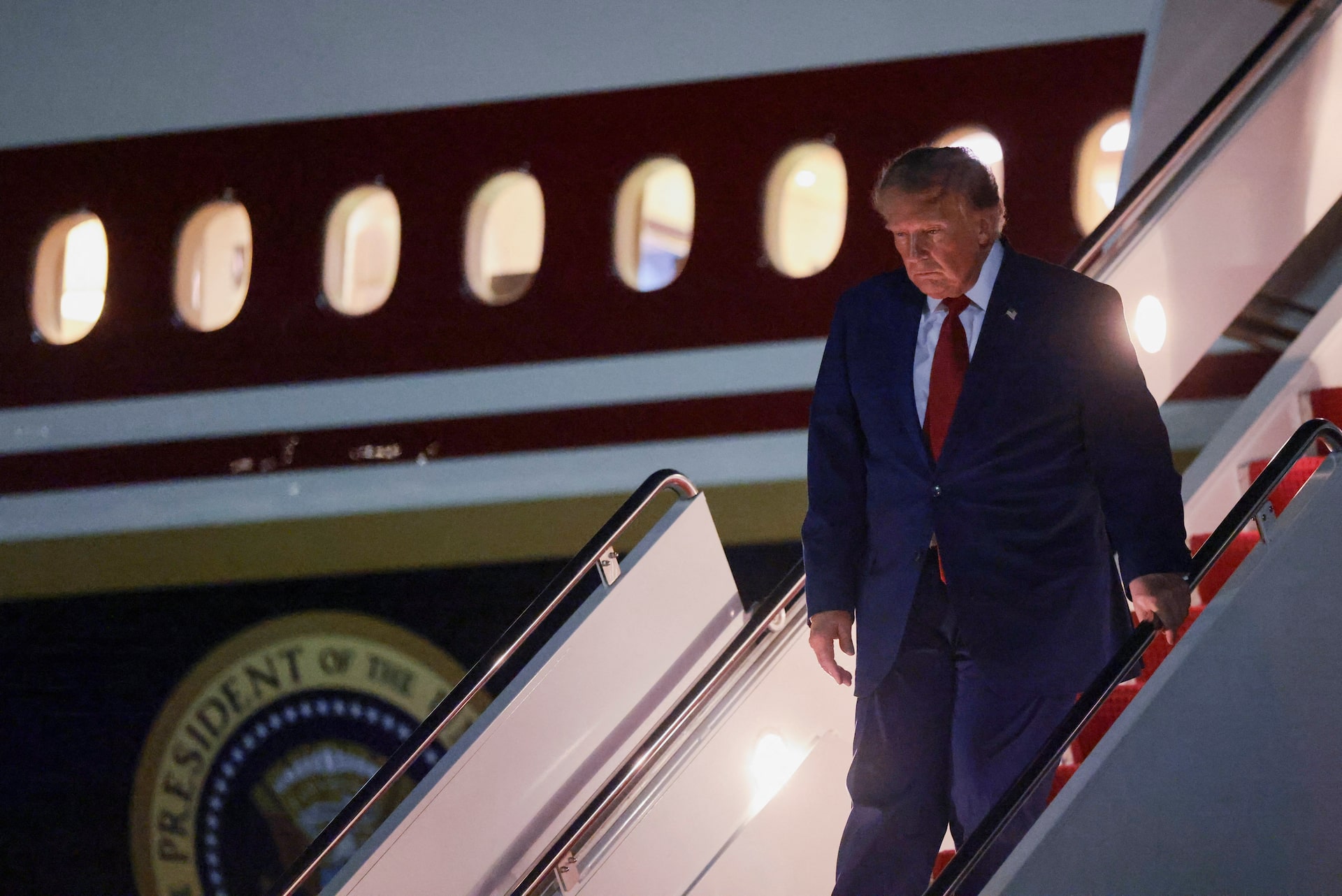
The U.S. received multiple warnings from Israel over the past year that Iran was planning to assassinate President Donald Trump — but American intelligence officials could not independently verify any of those plots, according to Auburn Citizen and Bismarck Tribune. The unverified warnings still shaped key decisions, including a secretive plane swap during Trump's recent trip to Turkey.
The episode reveals how heavily Israeli intelligence influenced the Trump administration's thinking on Iran — even when U.S. agencies could not confirm the underlying threat, Fredericksburg Free Lance-Star reported.
The Secret Air Force One Swap No One Explained
During Trump's recent visit to Turkey, the president quietly switched aircraft in a move kept hidden from the public. The swap was described as a security precaution. It was directly tied to an Israeli warning that Iran had targeted Trump, according to North Platte Telegraph and Rapid City Journal.
The ruse involved swapping out the standard Air Force One for a different plane. Officials did not publicly explain the move at the time. It is now clear the decision came after Israel passed along intelligence about an alleged Iranian assassination plot.
Israel Sent Warnings, But the U.S. Could Not Confirm Them
Israel gave the U.S. several warnings over roughly the past year. Each one alleged that Iran was actively planning to kill Trump. But U.S. intelligence agencies reviewed the claims and could not verify them independently, according to Bismarck Tribune and Missoulian.
That gap — between what Israel said and what the U.S. could confirm — is significant. Intelligence that cannot be verified is harder to act on. Yet the warnings still led to visible security changes, like the Turkey plane swap, showing how seriously the administration took the Israeli claims.
Israeli Intelligence Shaped Trump's Iran Policy
The unverified warnings did more than change travel plans. They appear to have influenced how the Trump administration viewed Iran overall, according to Star Herald and Greensboro News & Record. Israeli intelligence became a key input in U.S. decision-making on Iran policy.
This raises questions about how much weight U.S. officials gave to an ally's unconfirmed tips. When a close partner like Israel shares threat intelligence, the U.S. often acts — even if its own agencies cannot back it up. The pattern seen here may reflect a broader trend in how the two countries share security information.
What Remains Unknown About the Iran Threat
It is still unclear whether Iran ever had a real plan to kill Trump. U.S. sources confirmed the warnings existed but stopped short of saying a plot was real, according to Richmond Times-Dispatch and St. Louis Post-Dispatch. No arrests or disrupted operations have been publicly linked to the alleged plots.
The story leaves open a major question: Did Israel's warnings reflect solid intelligence, or were they overstated? The answer matters — because those warnings moved the U.S. president to change planes in secret and may have pushed the two governments closer to confrontation with Iran.
Sentiment
NeutralPublishers
20
Articles
20
Reach
20


