Aramco's deep oil cuts.
Saudi Arabia Cuts Asian Crude Prices to 26-Year Low Amid Surging Global Supply.
Key Points
Ras Tanura exports to Asian buyers have rebounded to about 90% of pre-war volumes as the Strait of Hormuz reopened and shipments resumed, signaling a robust restoration of Saudi supply routes.
In addition to Asia, Aramco cut prices for Europe by $15 per barrel and for the United States by $8 per barrel, indicating a broader, cross-region pricing response to the global supply rebound.
The August cut marks the first time Arab Light has been sold at a discount since the 2020 price war, and it is the largest monthly reduction in official selling prices since at least 2000, underscoring a significant shift in pricing strategy.
Strait of Hormuz flows have surged back toward normal levels, with total oil shipments through the strait already exceeding 10 million barrels per day as traders reassess supply post-normalization.
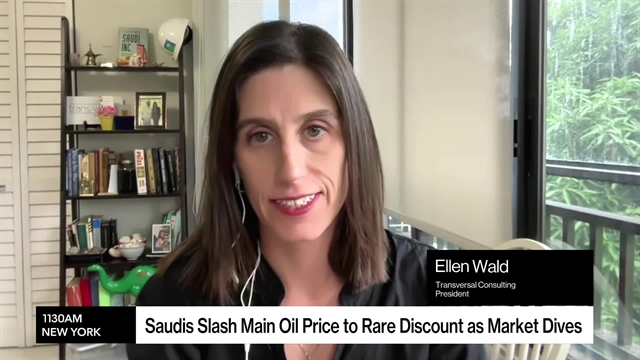
Analyst Ahmed Mehdi of Renaissance Energy Advisors framed the price move as a response to the ‘overhang of prompt cargoes’ and ‘Hormuz’s messy normalization,’ noting that pricing needs to remain competitive to attract Chinese demand rather than signaling a renewed price war.
Saudi Aramco has cut the price of its flagship Arab Light crude by $11 per barrel for Asian buyers in August, the largest single-month reduction in official selling prices in at least 26 years, according to MarketScreener. The cut sends Arab Light to about $1.50 below the regional benchmark — the first time it has traded at a discount since the 2020 price war.
The sweeping price reductions extend beyond Asia. Aramco also cut prices for Europe by $15 per barrel and for the United States by $8 per barrel, signaling a broad response to rising global supply and softer demand, Grafa reported.
Hormuz Reopening Floods Market With New Supply
The price cuts follow the reopening of the Strait of Hormuz after a US-Iran interim peace deal. Tankers held up during the conflict have resumed sailing, pushing total oil shipments through the strait back above 10 million barrels per day. Exports from Saudi Arabia's Ras Tanura terminal have rebounded to roughly 90% of pre-war volumes, MarketScreener reported.
The sudden return of barrels created what analysts call a 'prompt cargo overhang' — more oil available right now than buyers need. Brent crude has eased below $80 per barrel as traders digest the higher supply. The calmer regional picture has also pushed back forecasts for new price highs later this year.
Aramco Targets Chinese Demand, Not a Price War
Analyst Ahmed Mehdi of Renaissance Energy Advisors said the move is about staying competitive, not starting a fight. He framed the cut as a response to the 'overhang of prompt cargoes' and what he called 'Hormuz's messy normalization.' The goal, he said, is to attract Chinese buyers rather than trigger a broader price war.
China is the world's largest crude importer and Saudi Arabia's biggest customer. Some buyers have reportedly still viewed Saudi crude as costly compared to rival suppliers, even before the August cut. The new discount is designed to close that gap and pull more Chinese refiners back toward Arab Light barrels.
A Historic Cut That Resets Saudi Pricing Strategy
The August reduction is the deepest monthly price cut since at least 2000, according to Nasha Niva. Arab Light had not traded at a discount to the regional benchmark since the price war of 2020, when Saudi Arabia briefly flooded markets after talks with Russia collapsed. This cut matches the scale of that episode but comes in a different context — not aggression, but adjustment.
During the Hormuz disruption, Aramco had rerouted some shipments through the Yanbu terminal on the Red Sea. With the strait now open, those volumes are shifting back to normal routes. Aramco is also gradually raising output under OPEC+ agreements. Together, those factors mean more Saudi oil is heading to market — and pricing must reflect that reality.
What Comes Next for Oil Prices and OPEC+
Analysts say the deep discounts are a short-term tool to clear the cargo backlog, not a sign of a new strategy. MarketScreener noted that competition from other producers has intensified as global supply rebounds. Saudi Arabia faces pressure to hold market share while OPEC+ manages a careful, gradual output increase.
Traders are now watching whether the discounts pull enough Chinese demand to stabilize the market. If Brent stays below $80 and the cargo overhang persists, further cuts in September cannot be ruled out. For now, the August price list marks a clear pivot — Saudi Arabia is choosing volume over price.
Sentiment
Mostly NegativePublishers
14
Articles
32
Reach
46


