July 4th Heat Disruptions
Extreme heat and weather disruptions force delay of Trump's July 4th D.C. address
Anonymous
Key Points
1
Heat and health incidents were prominent in the day: DC temperatures reached about 38C (100F) to 39C (102F), thousands queued in the sun, a woman became very ill at a security checkpoint, and medics handed out water as the Great American State Fair was forced to close because of the heat.
2
The National Mall was largely fenced off for a 'Great American State Fair,' with attractions such as a Ferris wheel and displays by conservative groups; attendees included members of Patriot Front, illustrating a marked blend of official commemorations with political organizing.
3
Weather-related evacuations forced spectators to shelter in museums and government buildings, delaying Trump’s remarks and limiting some performances; Trump spoke hours after the planned start, amid a backdrop of security constraints and heat.
4
Secret Service actions included a temporary suspension of security screening at the National Mall due to dangerous storms, with checkpoints closed and attendees urged to seek shelter before screening resumed; Trump repeatedly asserted he would address the crowd no matter the delay.
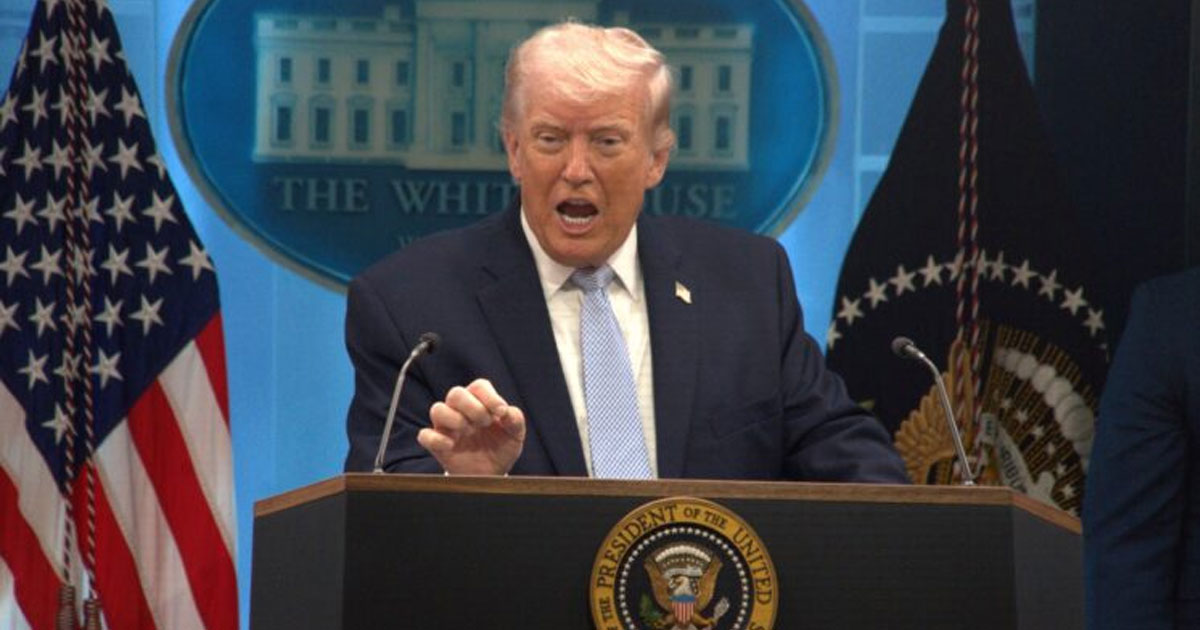
President Donald Trump delivered a late-night address on the National Mall at 11:15 PM on July 4, more than four hours behind schedule, after severe thunderstorms forced a mass evacuation of thousands of spectators. Washington hit temperatures of 100°F to 102°F (38°C–39°C), and 51 people were treated for heat illness on-site, according to CBS News.
Trump told organizers he would wait until 2:00 AM if needed to speak. "Rain or shine," said Freedom 250 spokesperson Danielle Alvarez, "the American people deserve a celebration worthy of our nation's historic 250th birthday." The speech, marking America's 250th anniversary of independence, ran about 30 minutes and was followed by a record 40-minute fireworks display, per NPR.
Heat and Storms Force Mall Evacuation and Hours-Long Delay
At 7:15 PM, the National Park Service issued an emergency evacuation order for the National Mall as severe thunderstorms moved in, according to WUSA9. Twenty minutes later, the Secret Service shut all security checkpoints. National Guard troops directed thousands of attendees into nearby museums and federal buildings. The Great American State Fair, a fenced-off event on the Mall featuring a Ferris wheel and conservative group displays, had already closed earlier that day due to 103°F heat.
Gates reopened at 9:45 PM, forcing attendees to go through a second round of security screening. Trump finally took the stage at 11:15 PM. A massive lightning storm was still visible in the sky as fireworks launched at midnight, FOX 5 DC reported. Washington also canceled its National Independence Day Parade that morning, citing extreme heat.
Trump's Speech Blends Patriotism With Political Demands
From the stage, Trump called the U.S. the "crowning achievement of human history" and declared the 250th anniversary "the dawn of the golden age of America," according to Fox News. He honored veterans including Civil War hero William Harvey Carney, the first Black Medal of Honor recipient, alongside several World War II veterans. He also boasted that the U.S. Navy had "sunk the entire Iranian navy, 159 ships," a claim the Pentagon has partially disputed, CBS News reported.
Trump used the celebratory platform to demand Congress pass the SAVE America Act, a bill requiring photo ID and proof of citizenship to register for federal elections. The bill has stalled in the Senate. House hardliners have refused to pass a $1.15 trillion defense bill unless the voting measure is attached, leaving Congress in gridlock ahead of a July 13 return, per AP News.
Patriot Front March and Political Organizing Overshadow Festivities
About 400 masked members of the white nationalist group Patriot Front marched through Capitol Hill and boarded the D.C. Metro on July 4, carrying Confederate flags and chanting "Reclaim America," according to Reuters. Founder Thomas Rousseau was identified leading the group. The march cut through the Eastern Market area before dispersing, adding a jarring visual to the nation's birthday celebrations.
The National Mall's "Great American State Fair," run by Freedom 250, a private entity set up by the Trump administration separate from the bipartisan America 250 commission, featured displays by conservative groups and defense contractors, CNN reported. Presidential historian Douglas Brinkley said the event functioned more like "hyper-partisan nationalism" than inclusive patriotism, a stark shift from the unifying tone of the 1976 Bicentennial.
Legislative Chaos Sets the Stage Heading Into July 13 Return
Republicans hold only a 218–212 House majority, meaning just 14 hardliners can stall the entire agenda, per Reuters. Speaker Mike Johnson sent lawmakers home early on June 30 after the revolt over the SAVE America Act blocked the defense bill. Representative Anna Paulina Luna (R-Fla.) called Johnson's proposed workaround a "procedural head fake," warning the Senate could easily strip the voting provisions out.
When the House returns July 13, Johnson must pass the defense spending bill or face prolonged paralysis. Trump's July 4 address amplified the pressure, framing domestic progressive politics as a "cancer" of communism that must be "cut out," setting the tone for Republican messaging heading into the November 2026 midterms, according to NPR.
Sentiment
Mostly NegativeNEGATIVENEUTRALPOSITIVE
Publishers
61
Articles
213
Reach
274
A
AnonymousAuthor


