Irreplaceable Reaper Drones
US Military Loses 25% of Reaper Drones in Iran, Replacements Impossible After Production Ends
Key Points
There is conflicting reporting on how all 45 losses occurred: one report claims every lost Reaper was shot down, while another notes several crashed after operators lost their communications link.
Reported unit costs for the MQ-9 Reaper vary significantly, with some outlets citing $16–$30 million per drone and others citing $30–$50 million, influencing the total loss estimates.
A Center for Strategic and International Studies (CSIS) assessment cited by The New Republic projects it could take until 2030 to restore the U.S. missile stockpile to pre-war levels, signaling broader vulnerability beyond drone losses.
The MQ-9 production line ended in 2025, meaning there is no ongoing factory capacity to replace lost Reapers, underscoring the attrition risk as losses hit an already non-replenishable fleet.
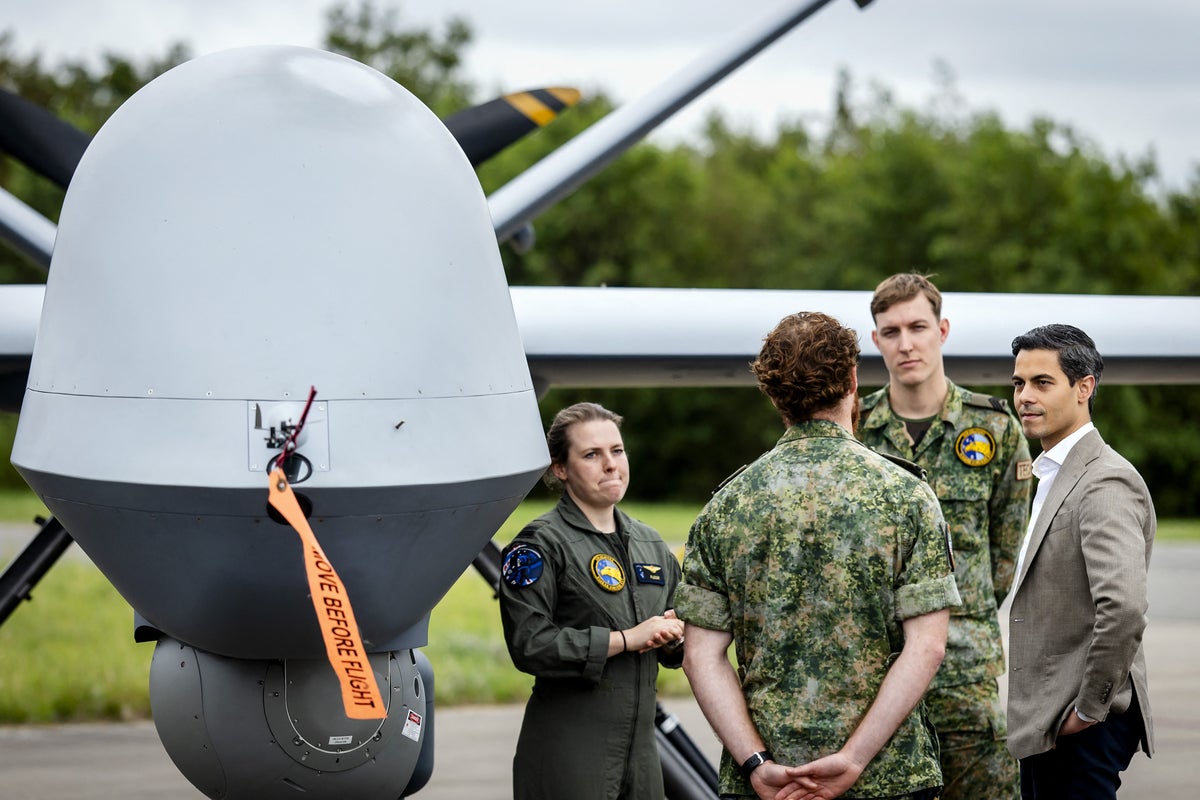
The US military has lost at least 45 MQ-9 Reaper drones in its war with Iran — roughly 25% of the entire fleet — at a cost of more than $1.3 billion, according to The Washington Post. The losses have shrunk the active fleet from about 185 drones before the conflict to around 135 today.
The situation is made worse by one critical fact: Reaper production ended in 2025. There is no factory still making them. Every drone lost is gone for good, with no easy way to replace it, according to The Independent.
How 45 Reapers Were Lost Over Iran
The drones were lost in two ways, according to Yahoo News. Some were shot down by Iranian air defenses. Others crashed after operators lost the communications link needed to fly them remotely. Without that link, the drone has no pilot and no way home.
The losses were concentrated near the Strait of Hormuz, a narrow waterway where US drones flew surveillance and strike missions. The Air Force operated 165 Reapers before the war; the Marine Corps had 20. Notably, Yahoo News reports that Marine Corps Reapers suffered no losses at all, meaning all 45 losses came from Air Force aircraft.
$1.3 Billion Gone, With No Production Line to Rebuild
Each MQ-9 Reaper costs between $30 million and $50 million, according to Joe My God, which cited three US officials familiar with the losses. At 45 drones, that puts the total price tag at $1.35 billion to $2.25 billion. Some outlets put the per-unit cost lower — between $16 million and $30 million — which would still put total losses above $700 million.
The bigger problem is replenishment. The Reaper's production line shut down in 2025. The US cannot simply order more. The fleet that exists today is all there is, and it is now 25% smaller than it was when the war began, according to The Independent.
Drone Losses Are Just One Part of a Wider Stockpile Crisis
The Reaper losses point to a larger problem: US weapons stockpiles are shrinking fast. A Center for Strategic and International Studies assessment, cited by Alethonews, projects it could take until 2030 to restore US missile supplies to pre-war levels. That includes Patriot interceptor missiles used to shoot down Iranian ballistic missiles.
The US entered this conflict with stockpiles already stressed from years of weapons transfers to Ukraine and other allies. Losing a quarter of a key drone fleet — one that can no longer be refilled — adds serious pressure to military planners trying to sustain operations in the region, according to The Independent.
What a 135-Drone Fleet Means for Future Operations
Before the war, the US had about 185 Reapers split across the Air Force and Marine Corps. By May, that number had fallen to roughly 135, according to Yahoo News. The Reaper is the military's primary long-range surveillance and strike drone. Fewer Reapers means fewer eyes in the sky and fewer platforms available for targeted strikes.
Military officials have not publicly said how long the current fleet can sustain operations at this pace. But with production dead and losses still mounting, the window for using Reapers effectively is shrinking with every mission flown over the Strait of Hormuz.
Sentiment
Mostly NegativePublishers
21
Articles
34
Reach
55


