Taiwan Readies Defenses
Taiwan Conducts Extensive Han Kuang Drills, Simulating Invasion and Testing National Readiness
Key Points
The drills included slowing mobile web traffic to 256 Kbps and directing residents to basement shelters at MRT stations, with critical operations relocated to underground facilities.
The anti-blockade component marked the first time the navy and coast guard worked together on such a drill, with a minesweeper clearing a safe navigation channel and guiding a simulated merchant ship to east coast ports.
The exercise included a 30-minute internet outage and instructions for Taiwan's 23 million residents to seek shelter, as part of a 10-day Han Kuang drill.
Presidential evacuation simulations were conducted, and the drills featured a drone kill chain with reservists training with M4A1 rifles and mortars.
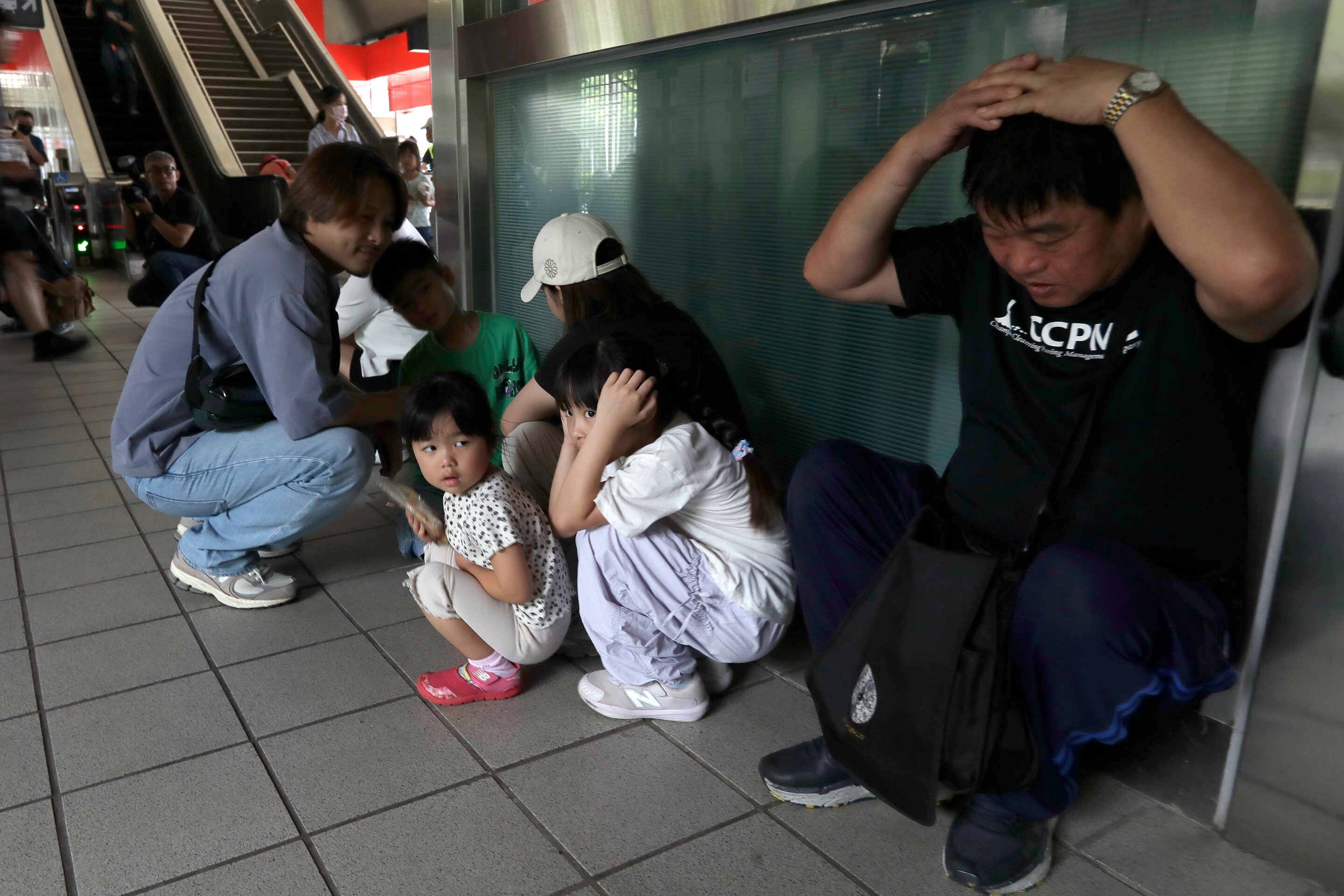
Taiwan throttled mobile internet speeds to 256 Kbps — barely enough for text messages — for 30 minutes during its annual Han Kuang military exercises, simulating a Chinese airstrike on the island, according to NPR. Millions of residents across Taipei and northern Taiwan were ordered into basement shelters at MRT stations as part of the 10-day drill testing whole-of-society readiness.
The exercises are Taiwan's most ambitious rehearsal for a potential Chinese invasion, involving both military units and civilians. Drills this year covered everything from navy-coast guard blockade response to presidential evacuation simulations, according to Newsweek.
Internet Throttled to Test Civilian Resilience Under Attack
Taiwan's government slowed mobile web speeds to 256 Kbps — the equivalent of early 2000s dial-up — across parts of the island for half an hour, NPR reported. The move was deliberate. Authorities wanted to see how civilians and emergency responders would function if communications were knocked out during a real attack.
Critical government operations were relocated to underground facilities during the drill. Residents received instructions to take shelter, and MRT subway stations served as emergency bunkers, according to Newsweek. The 30-minute disruption was the most visible civilian component of the broader 10-day Han Kuang exercise.
Navy and Coast Guard Team Up for First Anti-Blockade Drill
For the first time, Taiwan's navy and coast guard conducted a joint anti-blockade exercise. A minesweeper cleared a safe navigation channel, then escorted a simulated merchant vessel to ports on Taiwan's east coast, according to 24newshd.tv. The east coast ports are seen as critical backups if western ports are seized or blocked.
The anti-blockade scenario reflects a growing fear in Taipei: that China could strangle the island economically without firing a single missile. Taiwan imports most of its energy and food. Keeping shipping lanes open would be essential to survival in any prolonged standoff.
Reservists, Drones, and Fortified Corridors Slow a Mock Invasion
The drills featured a drone kill chain — a coordinated sequence where drones spot targets and pass data to strike teams. Reservists trained with M4A1 rifles and mortars, NPR reported. Taiwan has been expanding its reserve force as part of a broader push to build a decentralized, harder-to-destroy military.
Planners also tested physical obstacles and fortified corridors designed to slow an attacker's advance toward Taipei. Presidential evacuation routes were rehearsed. The combination of urban barriers, dispersed command posts, and civilian shelter plans is meant to make any invasion costly and slow, even if it cannot be stopped outright.
Taiwan Bets on Whole-of-Society Defense to Deter Beijing
The Han Kuang exercises have grown in scope each year as tensions with Beijing rise. This year's drills involved all 23 million of Taiwan's residents in some form, whether through shelter orders, internet disruptions, or evacuation alerts, according to GPB. The scale signals a shift from purely military deterrence to a broader civil-military model.
Analysts have pointed to Taiwan's adoption of decentralized command as a key development. If headquarters are destroyed, local units are trained to keep fighting. Drone integration, reservist expansion, and infrastructure stress tests like the internet slowdown all reflect the same logic: make Taiwan too costly to invade, and too resilient to break, according to Tech Xplore.
Sentiment
Mostly NegativePublishers
14
Articles
160
Reach
174


