Sanctions On VTB Bank
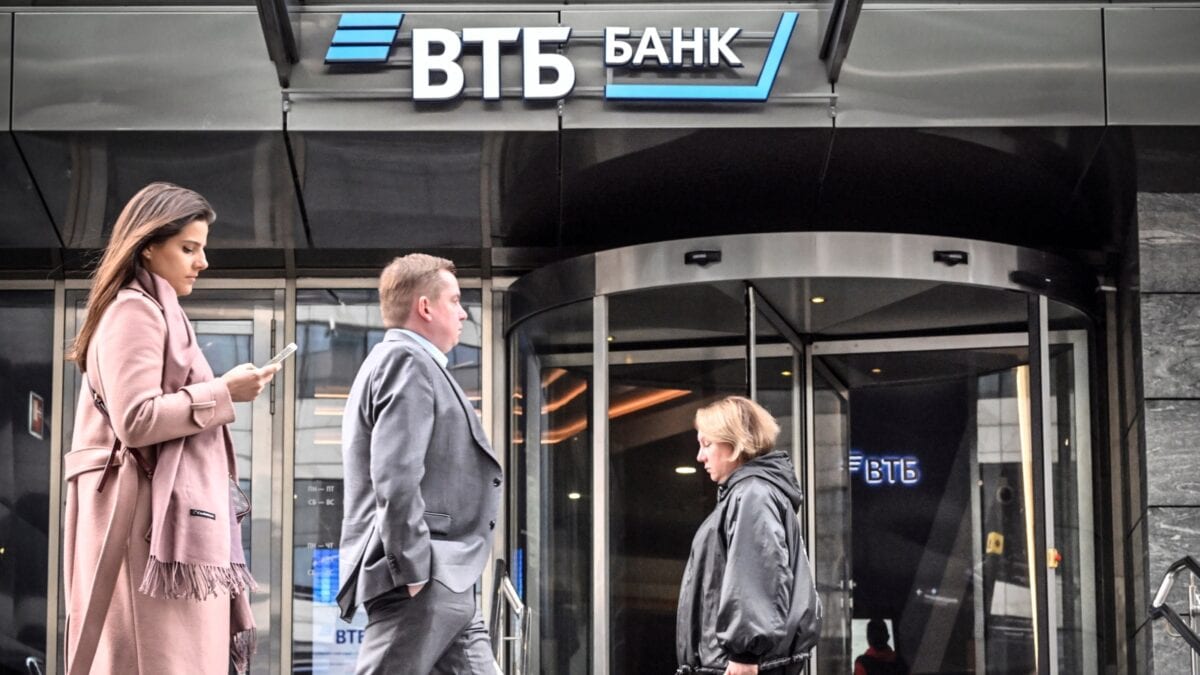
U.S. imposes new sanctions on Russia's VTB Bank for evading Iran restrictions.
Anonymous
Key Points
1
The Sept. 9 designation placed VTB on the Specially Designated Nationals and Blocked Persons list, freezing any VTB property under U.S. jurisdiction and prohibiting U.S. persons and entities from transacting with the bank; no general licenses or exceptions were issued.
2
U.S. officials said VTB had opened offices in Iran and created a settlement system intended to facilitate increased bilateral trade, in addition to moving billions of dollars in frozen Iranian assets.
3
The sanctions also accuse VTB of enabling tens of millions of dollars in transactions for Iran’s Islamic Revolutionary Guard Corps, which the U.S. identifies as the force primarily responsible for Iran’s international terrorist activity.
4
VTB had already faced U.S. sectoral sanctions dating to 2014, following Russia’s annexation of Crimea, before the penalties were escalated to full blocking sanctions after the 2022 invasion of Ukraine.
5
The VTB action was part of a broader, simultaneous campaign that also targeted a Turkish bank and Iranian airlines, indicating that Operation Economic Outcast extends beyond Russian financial institutions and across multiple jurisdictions and sectors.
The United States sanctioned Russia's VTB Bank on September 9 for helping Iran evade Western restrictions and move billions of dollars in frozen assets. CNBC reported that the Treasury Department added the state-controlled bank—Russia's second-largest—to its Specially Designated Nationals list, freezing all VTB property in U.S. jurisdiction and banning American entities from any dealings with it. VTB already faced full blocking sanctions since Russia's 2022 invasion of Ukraine, but the new Iran-focused designation creates a separate legal basis for the penalty.
The action is part of the Trump administration's "Operation Economic Outcast," aimed at disrupting financial networks that support Iran. BNO News reported that U.S. officials warned foreign banks that continued dealings with VTB could trigger secondary sanctions and loss of access to the American financial system. The measure reflects Washington's broader push to pressure Tehran amid escalating regional tensions and threats to global energy shipping routes.
How VTB Became Iran's Financial Lifeline
U.S. officials alleged that VTB opened offices inside Iran and created a settlement system designed to expand bilateral trade between Russia and Tehran. Market Screener reported that the bank facilitated tens of millions of dollars in transactions for Iran's Islamic Revolutionary Guard Corps, the force the U.S. identifies as responsible for Iran's international terrorist operations. VTB also allegedly moved billions in frozen Iranian assets that Western sanctions had blocked from circulation.
The Treasury designated these actions as sanctions evasion—a violation separate from VTB's existing penalties for ties to Russia's invasion. By creating an Iran-specific rationale, Washington preserved pressure on the bank even if Russia-related sanctions were relaxed in the future. The designation also sent a message: facilitating sanctions circumvention itself triggers additional penalties.
Foreign Banks Face Compliance Pressure Worldwide
The VTB sanctions extend beyond Russia and Iran. U.S. officials warned that institutions in Turkey, the Gulf, Asia, and elsewhere risk secondary sanctions if they maintain correspondent accounts or process payments for VTB. Many foreign banks may reduce dealings with VTB voluntarily to avoid losing access to the U.S. dollar system—a move that amplifies the sanction's reach far beyond American borders.
Washington is targeting the intermediaries and infrastructure that enable sanctioned revenue flows. Market Screener reported that the Treasury also simultaneously sanctioned a Turkish bank and Iranian airlines as part of Operation Economic Outcast. This network-based approach shows the U.S. strategy focuses on making sanctions circumvention increasingly costly and difficult to scale across jurisdictions.
A Broader Crackdown on Sanctions Evasion Networks
VTB's alleged activities—opening Iranian offices, maintaining relationships with sanctioned Iranian banks, transferring frozen assets, and facilitating transactions—illustrate how sophisticated evasion networks operate. The new sanctions demonstrate that the U.S. no longer targets only the sanctioned entity itself, but the entire support infrastructure that allows restrictions to be bypassed.
The September 9 action comes as tensions between the U.S. and Iran escalate over nuclear programs and regional proxy conflicts. By targeting VTB's Iran operations, Washington aims to squeeze Tehran's access to international finance while signaling to other intermediaries worldwide that sanctions evasion carries severe consequences.
Sentiment
Mostly NegativeNEGATIVENEUTRALPOSITIVE
Publishers
41
Articles
94
Reach
135
A
AnonymousAuthor


