Asia's Bond Markets Surge
Global Funding Shifts Drive Record Foreign Bond Issuance in Asia-Pacific Markets
Key Points
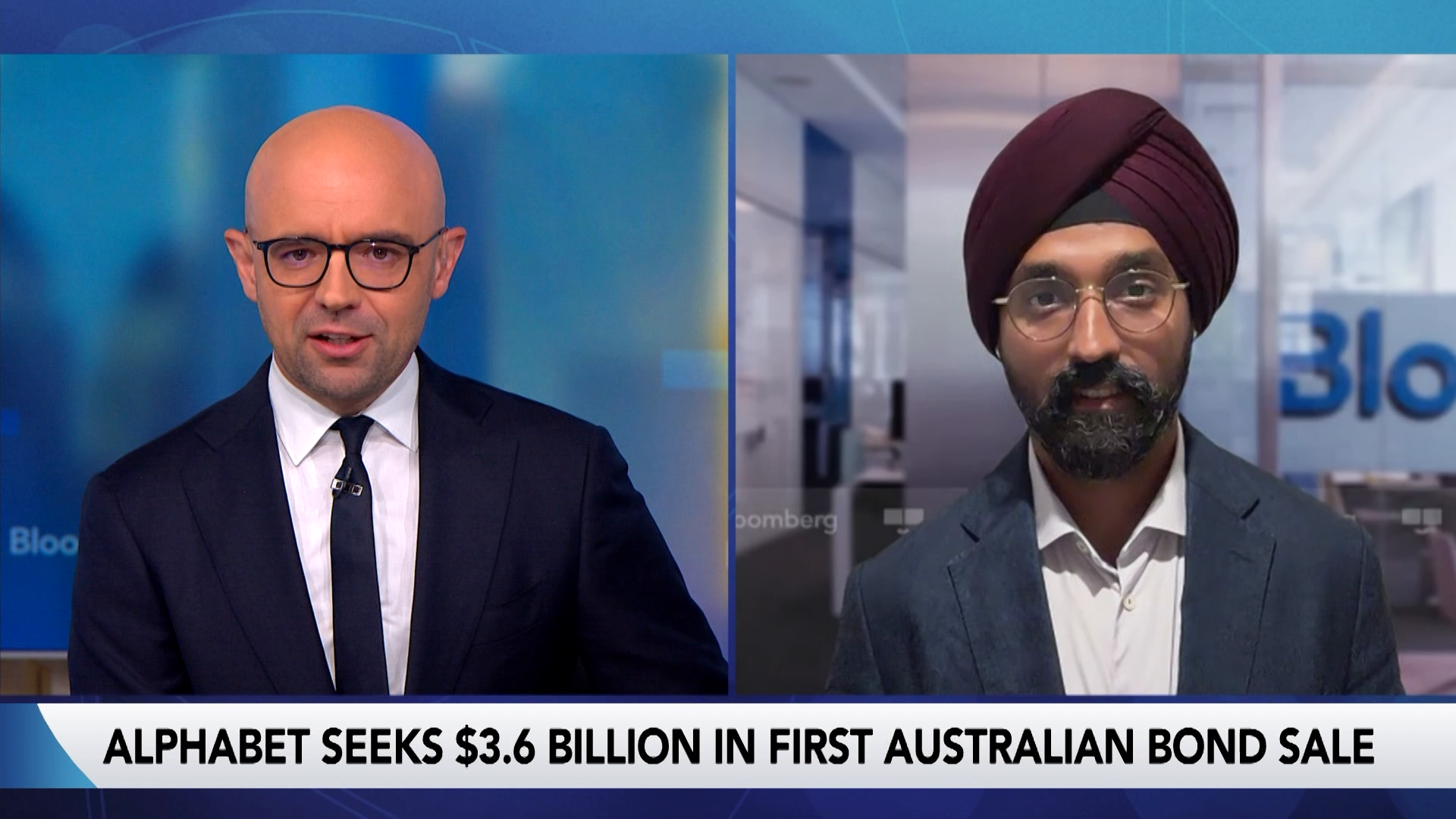
Alphabet's yen-bond sales have been a major driver of the doubling in foreign borrowers' yen issuance in 2026, and Alphabet is actively preparing its first bond issue in Australian dollars with several investment banks.
HSBC’s Carla Goudge argues that the Asia-Pacific bond markets have tipped into being significantly more meaningful for both local and international names, a size that wasn’t regularly available a few years ago.
In the yuan space, onshore panda bonds reached about ¥160 billion in the first half of 2026 and offshore dim sum bonds about ¥350 billion, with international borrowers contributing roughly half of the issuance and year-on-year growth exceeding 60% for both segments.
Hong Kong dollar issuance also hit record highs in 2026, underscoring the market’s role as a diversified funding hub beyond traditional dollar/euro borrowings.
Australian pension funds’ growth is cited as bolstering Asian-debt demand, contributing to the surge in Kangaroo (AUD-denominated) bond issuance this year.
Asia-Pacific bond markets are on track for a record-breaking year in 2026, as foreign borrowers flood in from Europe, the Americas, and beyond. Kangaroo bond issuance — Australian dollar debt sold by foreign issuers — has surged to about A$60 billion by late July, roughly 40% above last year's pace, according to Bloomberg.
The rush spans currencies and markets. Yuan-denominated bonds, yen notes, and Hong Kong dollar debt have all hit new highs. Analysts say global funding pressures and rising AI investment costs are pushing borrowers to seek cheaper, more diverse options beyond the dollar and euro.
Alphabet Leads a Wave of First-Time AUD Borrowers
Alphabet is preparing its first-ever Australian dollar bond, aiming to raise about A$3.6 billion, Bloomberg reported. The tech giant has enlisted ANZ, Deutsche Bank, and RBC as bookrunners. The Next Web noted the deal reflects Alphabet's broader strategy to fund its AI build-out through diverse global debt markets.
Alphabet is not alone. Commerzbank, Engie, Henkel, Singapore Airlines, and Portugal have all issued in Australian dollars or yuan for the first time in 2026. These debut deals signal a clear shift: borrowers that once defaulted to dollars or euros are now treating Asia-Pacific currencies as serious alternatives.
Yuan Bond Issuance Soars Past 60% Growth in 2026
The yuan bond market has exploded this year. Onshore panda bonds — yuan debt sold inside China — reached about ¥160 billion in the first half of 2026. Offshore dim sum bonds hit roughly ¥350 billion over the same period, according to Bloomberg. Both segments grew more than 60% year-on-year.
International borrowers now account for roughly half of all panda and dim sum issuance. That is a dramatic change from just a few years ago, when these markets were dominated by Chinese state entities and a handful of multilateral lenders.
Yen and Hong Kong Dollar Markets Join the Record Run
Foreign borrowers have also doubled their yen-denominated bond sales in 2026, with Alphabet cited as a major driver, according to Bloomberg. Hong Kong dollar issuance hit record highs as well, underlining the city's role as a multi-currency funding hub. Together, these markets paint a picture of Asia-Pacific as a whole pulling in global debt capital at an unprecedented rate.
HSBC's Carla Goudge put it plainly. She said Asia-Pacific bond markets have "tipped into being significantly more meaningful for both local and international names — a size that wasn't regularly available a few years ago." That tipping-point framing captures the mood among bankers managing the surge in deal flow.
Pension Fund Growth and AI Spending Fuel the Demand
Two big forces are driving this boom. On the demand side, Australian pension funds have grown into some of the world's largest institutional investors. Their appetite for high-quality bonds has given foreign issuers a deep, reliable buyer base in the kangaroo market, according to Bloomberg.
On the supply side, AI investment and rising government deficits worldwide are creating enormous funding needs. Companies like Alphabet need tens of billions of dollars to build data centers and infrastructure. Spreading that borrowing across currencies — dollars, euros, yen, yuan, Australian dollars — lowers cost and reduces risk. Grafa noted that Alphabet's Australian deal alone targets $3.6 billion, a sizable chunk of any single market.
Sentiment
Mostly PositivePublishers
16
Articles
42
Reach
58