Commissioner Faces Growing League Backlash
WNBA Executives and Players Criticize Commissioner Cathy Engelbert Ahead of 2026 Exit
Anonymous
Key Points
1
One league executive said the commissioner’s role requires constant visibility and attendance: “You’ve got to show up. It’s every weekend. … You just have to be there.”
2
The Alyssa Thomas–Caitlin Clark confrontation, in which Thomas pressed her fist against Clark’s throat, triggered a political response, including a letter from Republican lawmakers demanding accountability. Thomas later said she received harassment and death threats, while an executive criticized Engelbert for not publicly addressing the fallout.
3
Minnesota Lynx star Napheesa Collier previously criticized Engelbert during an exit interview, saying Engelbert had told her Caitlin Clark should be “grateful” for the platform the WNBA provided.
4
Cunningham said the next commissioner must balance the interests of owners and players, emphasizing that although the commissioner works for owners, both sides are “trying to grow this league and make it bigger and better than ever.”
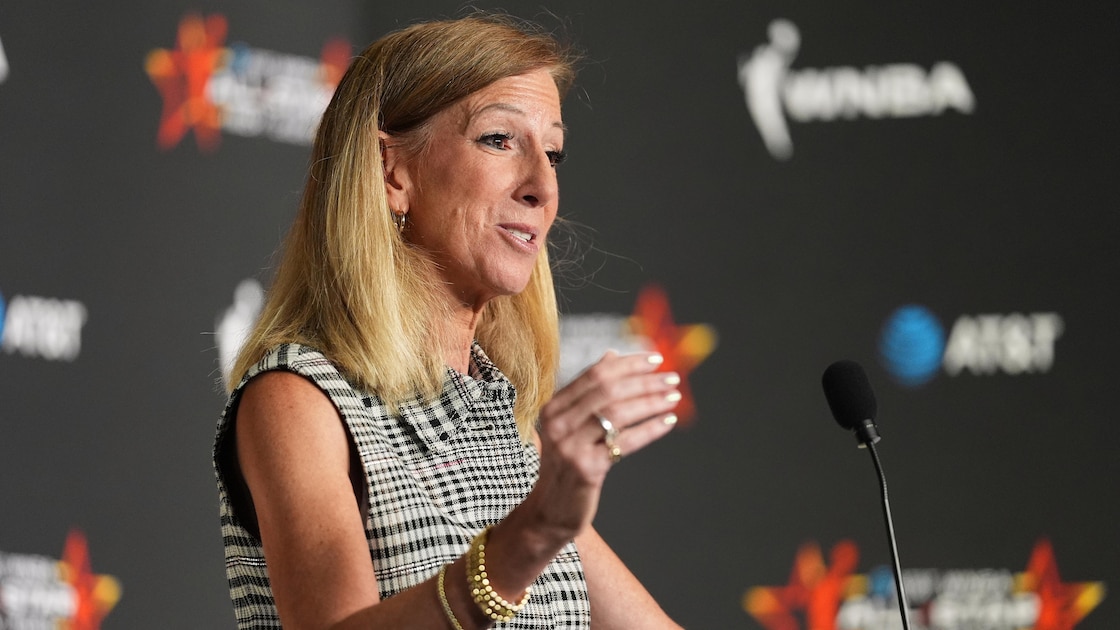
WNBA Commissioner Cathy Engelbert will step down at the end of 2026 after seven years that transformed the league's finances and fan base. But as she prepares to exit, players and executives are openly criticizing her for being absent during the league's biggest moments — from never attending an Indiana Fever home game since Caitlin Clark arrived to disappearing when controversies erupted. TSN reported that Fever guard Sophie Cunningham has even discussed the next commissioner's role with NBA Commissioner Adam Silver, signaling how deeply players want change at the top.
Cunningham said Engelbert made smart early business decisions but seemed unprepared for the WNBA's sudden surge in popularity and attention. The bigger problem, players argue, is simple: a commissioner must show up. The Washington Post noted that Cunningham has expressed her thoughts on what the next commissioner needs to do — mainly communicate with athletes, advocate for them, and help unify the fractured league.
The Growth Engelbert Built, Then Abandoned
Under Engelbert, the WNBA expanded its roster, packed arenas, and doubled down on media deals. Attendance climbed. TV viewership surged. Player salaries rose substantially. By most metrics, the league became a more profitable, visible business. Yet insiders say Engelbert failed to match the league's explosive growth with her own presence — the one thing a commissioner cannot outsource.
A Commissioner Who Never Showed Up
One league executive bluntly described what the job demands: "You've got to show up. It's every weekend. … You just have to be there." TSN reported that Cunningham emphasized a commissioner must be visible, available, and engaged. Engelbert's absence became glaring during flashpoint moments — like the Alyssa Thomas–Caitlin Clark throat-press incident that sparked outrage and even drew criticism from Republican lawmakers.
When Thomas received harassment and death threats over the confrontation, an executive said Engelbert should have publicly addressed the fallout but didn't. Bleacher Report noted that Cunningham has called for a commissioner who actually listens to players and stays present during crises, not one who vanishes when the league needs leadership most.
Players Want a Leader Who Actually Listens
Minnesota Lynx star Napheesa Collier previously told Engelbert in an exit interview that the commissioner had said Caitlin Clark should be "grateful" for the WNBA platform. That comment stung — it suggested Engelbert saw the league's relationship with its breakout star as a favor, not a partnership. AJC reported that Cunningham is now pushing for someone different: a commissioner who balances owner interests with player needs.
Cunningham acknowledged that a commissioner works for the owners. But she stressed both sides share the same goal: "trying to grow this league and make it bigger and better than ever." That means a commissioner cannot hide in the office. They must walk into arenas, talk to players, and show they care when things go wrong.
What Comes After Engelbert
Cunningham's willingness to discuss the role with Adam Silver suggests players have a seat at the table this time. WRAL reported on her engagement with the transition process. The next commissioner must prove they understand what Engelbert built but failed to nurture: a league that now demands constant care, visibility, and genuine partnership with its athletes — not distance and disengagement.
Sentiment
Mostly NegativeNEGATIVENEUTRALPOSITIVE
Publishers
21
Articles
70
Reach
91
A
AnonymousAuthor


