Murray S1: Road-Focused V12 Purity
Gordon Murray Introduces Road-Focused S1 V12 With Manual Gearbox and Enhanced Usability
Key Points
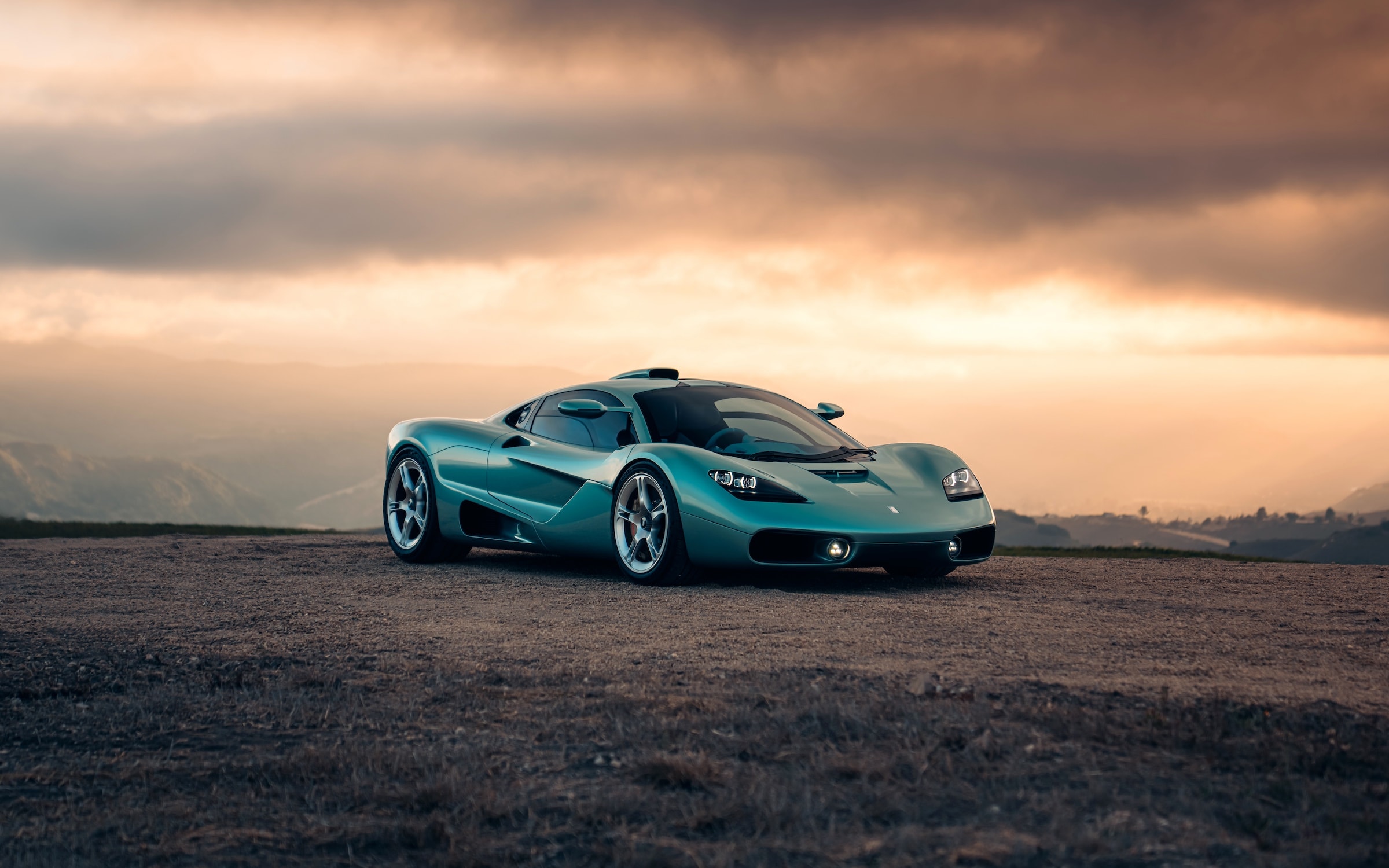
Front fascia design of the S1 Touring takes cues from the McLaren F1 Monaco show car, featuring larger running light clusters and distinct air intakes on each side of the bumper to give a more F1-like front end.
Every body panel on the S1 Touring is unique (except the roof) and the aero elements have been removed and replaced with active elements, yielding a cleaner look and reduced downforce compared with the LM.
Ride height is increased by about 10 millimeters and the suspension dampers are reworked for greater mechanical compliance to improve street usability.
The Cosworth 4.2-liter V12 is built with high-end competition components (silicon carbide-coated pistons, titanium valves, titanium connecting rods, and dry-sump lubrication) and revs to 12,100 rpm while offering roughly 680 hp; it's paired exclusively with a six-speed manual.
Interior updates include thicker seats and more sound insulation, plus new engine mounts to reduce vibration, while preserving the S1’s center-driver arrangement and three-seat layout.
Gordon Murray Special Vehicles has unveiled the S1, a touring-focused supercar built on the bones of the S1 LM but stripped of its aggressive aerodynamic wings and fins. Just 64 units will be made worldwide — and according to Motor Illustrated, every single one is already spoken for.
The new S1 is a direct spiritual successor to the 1992 McLaren F1, designed by the same engineer, Gordon Murray. It keeps the center-seat, three-person layout and a screaming V12 engine. But it trades track fury for real-world usability, making it one of the most exclusive grand tourers ever built.
A V12 That Revs to 12,100 RPM
The heart of the S1 is a Cosworth-developed 4.2-liter V12. It produces roughly 680–690 horsepower and spins all the way to 12,100 rpm. That is an almost absurd redline for a road car. According to AutoEvolution, the engine uses silicon carbide-coated pistons, titanium valves, and titanium connecting rods. It also runs a dry-sump lubrication system, which keeps oil flowing even at extreme cornering angles.
There is only one gearbox option: a six-speed manual. Gordon Murray made this choice on purpose. The manual keeps the driver physically connected to the car. No paddles, no automation — just a gearstick and your left foot. AutoEvolution called it a core part of the car's "pure" philosophy.
Every Body Panel Reworked for Cleaner Streets
The S1 Touring looks calmer than the S1 LM, but the changes go deeper than looks. According to WhichCar, every single body panel is new — except the roof. The large wings and fixed aero elements from the LM are gone. In their place are active aerodynamic elements that adjust on the fly. The result is less downforce but a much cleaner shape.
The front end takes cues from the McLaren F1 Monaco show car. It features larger running light clusters and distinct air intakes on each side of the bumper. WhichCar noted these changes give the S1 a sharper, more F1-inspired face without looking like a race car.
Ride Height Up, Suspension Softened for Real Roads
Gordon Murray raised the S1's ride height by about 10 millimeters compared to the LM. The suspension dampers are also reworked to absorb bumps more smoothly. These changes make the car easier to drive on normal roads — potholes, speed bumps, and rough pavement included. Head Topics reported that the goal was to make a hypercar you could actually use every day.
Inside, the seats are thicker and there is more sound insulation than in the LM. New engine mounts cut down on vibration reaching the cabin. The three-seat layout — driver in the center, two passengers flanking — remains unchanged. Murray kept that signature touch as a direct nod to the original McLaren F1.
64 Cars Built, All Already Sold
Gordon Murray revealed the S1 at The Quail, a prestigious car event held alongside the Monterey Car Week in 2026. Motor Illustrated reported that only 64 examples will ever be built. The number echoes Murray's ultra-low production philosophy — the original McLaren F1 had just 106 road cars made total.
The sold-out status before the car even launched publicly says a lot. Buyers are betting on rarity, heritage, and Murray's reputation. As AutoEvolution put it, the S1 is essentially "a McLaren in disguise" — built by the same mind, driven by the same ideas, just wearing a new name.
Sentiment
Mostly PositivePublishers
11
Articles
4
Reach
15


