High Returns On Climate Action
UNEP Report Finds Coordinated Climate Action Yields $15 Economic Return Per Dollar
Anonymous
Key Points
1
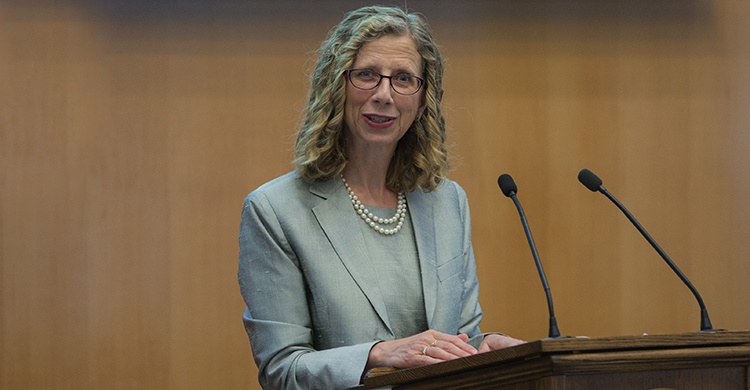
UNEP Executive Director Inger Andersen said the report reframes clean air from a development cost into an investment, calling it “a key driver of development, health, food and energy security, and climate stability.”
2
UN Secretary-General António Guterres said reducing air pollution can protect health, raise productivity and build more resilient societies, while moving away from fossil fuels is among the fastest ways to address both air pollution and climate change.
3
One account said each year of delayed action would result in a loss equivalent to 0.5% of global GDP, adding a measure of the delay cost beyond the report’s estimate of more than $1.5 trillion in forgone annual benefits.
4
The assessment linked human-caused outdoor air pollution, including fine particulate matter and ozone, to 6.4 million premature deaths worldwide in 2025; household air pollution contributed another two million deaths, including about 300,000 children.
5
The report was released on the International Day of Clean Air for blue skies, an observance held annually on September 7.
A new UN report shows that spending $1 on climate and air pollution action returns about $15 in economic gains. UNEP and the Climate and Clean Air Coalition studied 25 measures like renewable energy and electric vehicles. The benefits include better health, fewer premature deaths, and stronger economies. By 2050, annual gains could equal 4.5% of global GDP.
Air pollution kills 6.4 million people yearly from outdoor pollutants alone, plus another 2 million from household air pollution. UNEP Executive Director Inger Andersen said clean air is not just a cost — it's an investment in health, food security, and climate stability. Delaying action costs the world over $1.5 trillion annually in forgone benefits.
How Climate and Clean Air Solutions Multiply Returns
Tackling climate and air pollution together produces much bigger payoffs than addressing them separately. ESG News reports the 25 integrated measures deliver annual benefits reaching 4.5% of global GDP by 2050. Even when excluding health gains and longer lives, the measures still return $4 per dollar spent. Renewable energy, electric vehicles, and clean cooking stoves lead the pack.
By 2100, annual benefits could hit 11.4% of global GDP. The report evaluated strategies across energy, transport, agriculture, and waste. Integrated policies work better because they solve multiple problems at once — lowering emissions, cutting pollution, and improving public health simultaneously.
The Hidden Cost of Waiting on Climate Action
Every year of delay costs the world roughly 0.5% of global GDP in lost benefits. According to research tracked by Environews Nigeria, postponing these investments means giving up $1.5 trillion annually. The longer nations wait, the higher the final bill becomes. Starting now locks in decades of compounding economic gains.
Air Pollution Deaths Drive Urgent Health Case
Outdoor air pollution from fine particles and ozone kills 6.4 million people each year, Edie reports. Dirty cooking fires and household smoke add another 2 million deaths, including roughly 300,000 children. These deaths drain economies through lost workdays, medical costs, and productivity losses. Clean air measures prevent these tragedies while generating economic returns.
UN Secretary-General Guterres emphasized that moving away from fossil fuels is among the fastest ways to tackle both air pollution and climate change. Cleaner air raises worker productivity and builds more resilient societies. Health improvements alone justify the investment — the economic returns are the bonus.
Sentiment
Mostly NegativeNEGATIVENEUTRALPOSITIVE
Publishers
18
Articles
9
Reach
27
A
AnonymousAuthor


