Almaraz Nuclear Extended
Spain Formally Extends Almaraz Nuclear Plant Operations to 2030 Amid Energy Security Needs
Key Points
An April 2025 Iberian blackout underscored energy-security concerns and helped push Madrid to extend Almaraz's operation beyond the original schedule.
The Nuclear Safety Council issued a favourable, conditional assessment on July 16, 2026, allowing the extension but attaching safety limits and conditions before a common end date could be granted.
Madrid emphasizes there will be no additional taxpayer costs and no planned tax reductions tied to the nuclear extension.
The closure calendar is shifted: Almaraz I and II are extended to June 2026, 202? (common end date; Article indicates end date June 2030), pushing Ascó I and Cofrentes to 2030, Ascó II to 2032, and Vandellós II/Trillo to 2035, with dates still subject to authorizations and potential modifications.
Almaraz currently accounts for roughly 7% of Spain's electricity, and the extension occurred amid European pressure and a coalition government that includes Podemos and Sumar.
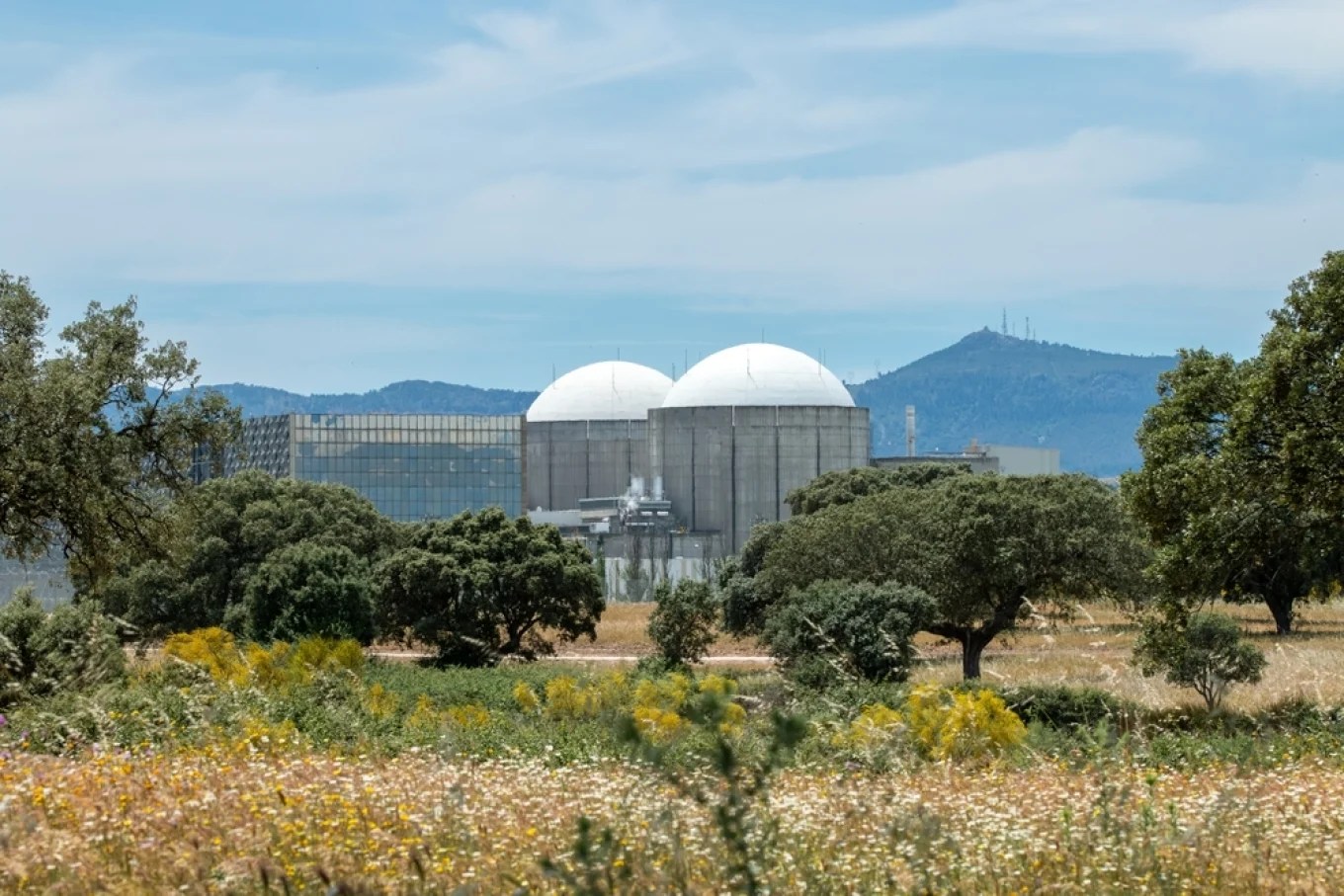
Spain has formally extended the life of its largest nuclear power plant, Almaraz, until June 8, 2030 — roughly two years beyond its original closure date. The government published the order in the Official State Gazette after the Nuclear Safety Council approved the extension, according to Euractiv.
The move keeps both reactor units running: Unit I gets about 31 extra months, while Unit II gets around 19. Spain's broader plan to shut all nuclear plants by 2035 remains in place, but the timeline has shifted significantly, according to France 24.
April 2025 Blackout Pushed Madrid Toward Extension
A major electricity blackout across the Iberian Peninsula in April 2025 exposed Spain's vulnerability to grid instability. That crisis helped build political pressure to keep Almaraz online. The plant supplies roughly 7% of Spain's total electricity, making it a key pillar of the country's power mix, according to France 24.
Madrid also pointed to volatile global energy markets. Conflicts in Ukraine and the Middle East have driven gas prices sharply higher. The government said keeping Almaraz open would shield Spain from those price shocks, according to Euractiv.
Nuclear Safety Council Set Conditions Before Approval
The Nuclear Safety Council issued a favourable assessment on July 16, 2026 — but it came with strings attached. The council set safety limits and conditions that had to be met before a common end date for both units could be granted, according to BSS News.
The government stressed that no extra taxpayer money would be spent. There are no planned tax cuts tied to the extension either. Officials framed the move as a cost-neutral step to protect energy security, according to 24 News HD.
Closure Calendar Reshuffled Through 2035
Extending Almaraz pushes the entire nuclear phase-out schedule back. Ascó I and Cofrentes are now set to close in 2030. Ascó II follows in 2032. Vandellós II and Trillo are slated for shutdown in 2035. All dates remain subject to regulatory approval and could still shift, according to Albeu.
Spain still calls renewables the backbone of its energy transition. The government says nuclear is a bridge — not a destination. Officials emphasized that the 2035 end date for nuclear power in Spain has not changed, according to Euractiv.
Political Divide: Stability Measure or Failed Policy?
Spain's leftist coalition government — which includes Podemos and Sumar — faced internal tension over the decision. Supporters called the extension a necessary move to keep the grid stable. Critics on the left saw it as a retreat from environmental commitments, according to France 24.
The opposition Popular Party called the extension a partial fix and pushed for a broader rethink of the phase-out plan. They argue the government is correcting its own policy without admitting it. The debate is likely to intensify as more closure deadlines approach, according to 24 News HD.
Sentiment
Mostly NegativePublishers
11
Articles
35
Reach
46