Channel Crossing Enforcement Shift
UK-France Enforcement Deal Results in 43 Percent Drop in Channel Crossing Attempts
Key Points
Officials say about 61% of crossing attempts were stopped in the three months after the April UK-France pact, signaling a significant enforcement shift toward blocking launches at the coast.
Earlier this month, authorities logged a record 230 people in a single boat attempting to cross the Channel.
There were four weeks in which officials say every launch attempt was blocked, illustrating periods of intensified enforcement on the beaches.
Twelve ‘taxi boats’ carrying migrants were intercepted at sea since the deal, marking the first at-sea interceptions in this phase of the cooperation.
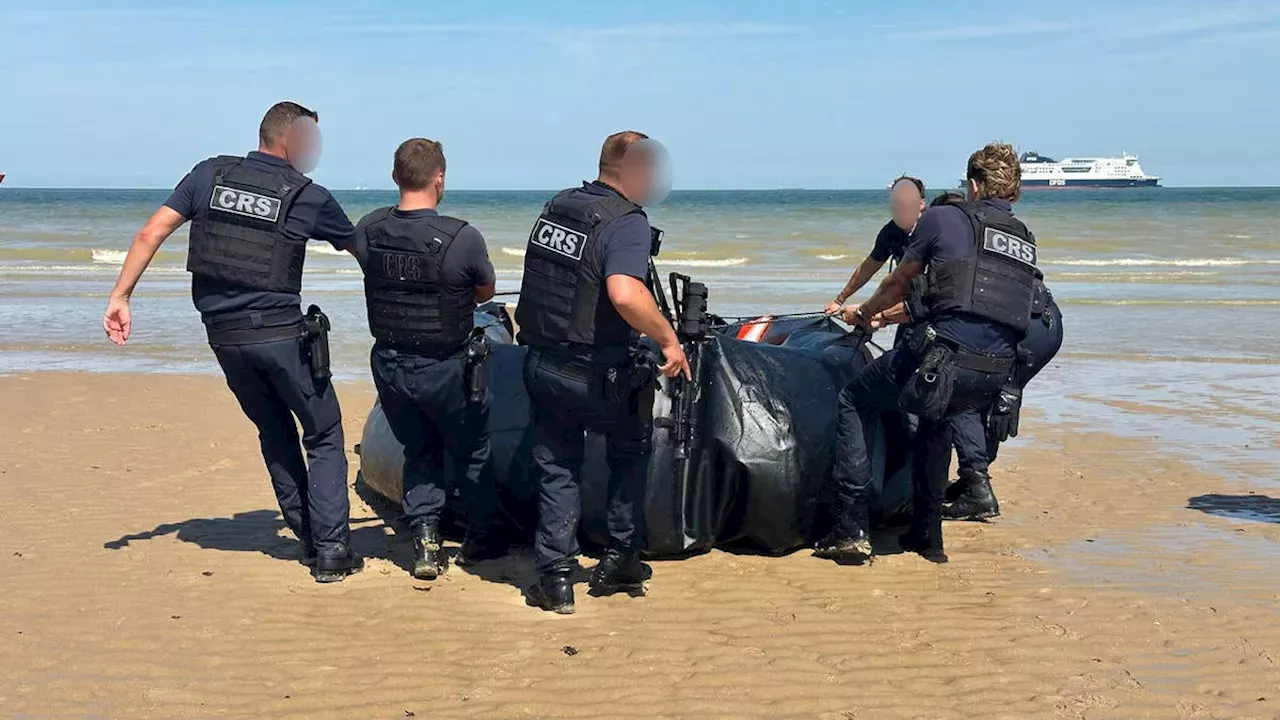
French police have intensified patrols on northern beaches following a UK-France deal, blocking roughly 61% of attempted Channel crossings in the three months after the April agreement GBNews. Video footage shows migrants attacking officers with rocks and other objects as police slash dinghies and seize equipment to prevent launches Yahoo News. The crackdown has produced stark results: a 43% drop in successful crossings year-to-date and 185 intercepted crossing events in the three-month window after the pact Head Topics.
Britain's Labour government has promoted the £660 million deal as a success, while French authorities emphasize sovereignty and beach safety. Despite the enforcement surge, thousands continue attempting to cross, and a record 230 migrants were packed into a single boat earlier this month Independent, showing that smugglers are adapting by concentrating more people into fewer vessels AOL.
How the New Enforcement Tactic Works
France has deployed a 50-strong riot squad and added patrol boats along northern beaches to stop launches before they reach open water GBNews. Officers now intercept dinghies on the sand and cut them with knives to render them unusable. Police also target smugglers directly and seize equipment like engines and life jackets. In four separate weeks, officials report blocking every single launch attempt, demonstrating the scale of coordinated beach patrols Head Topics.
At sea, the tactic has shifted to stopping larger boats. Since the deal, authorities have intercepted twelve 'taxi boats' — larger vessels that ferry migrants toward the UK Independent. This marks the first phase of at-sea interceptions in the new cooperation. The effort has become more aggressive, with Yahoo News reporting that police have used spray and other force to deter crossing attempts.
Migrants Fighting Back on French Beaches
Escalating violence has marked the confrontations. GBNews captured footage of migrants pelting French officers with rocks as police attempt to stop launches. Yahoo News showed migrants throwing objects and even knives at police trying to intercept boats on northern beaches. AOL documented similar scenes, with migrants hurling objects to prevent dinghies from being seized or destroyed.
These clashes underscore the desperation driving crossing attempts. Head Topics reported that migrants have threatened French police during interceptions. The violence reflects the high stakes: smugglers charge thousands of pounds per person, and migrants risk everything to reach the UK. Police respond with riot gear and escalated force, turning beaches into active confrontation zones.
Smugglers Adapt Despite Record Enforcement
The deal has disrupted smuggling networks but not stopped them. Rather than abandoning the route, smugglers have shifted tactics by cramming more migrants into single boats. Independent reported a record 230 people packed into one vessel this month — an extraordinary density that increases drowning risk. Authorities view this as evidence that networks are responding to beach enforcement by concentrating activity at critical points where police presence is thinnest.
Head Topics notes that the total number of crossing attempts remains high despite the 43% year-to-date drop. Smugglers have proved resilient, using diversification and larger boats to offset lost launches. The enforcement gains have raised costs and risks for migrants but have not fundamentally eliminated the incentive to cross. Officials acknowledge the cat-and-mouse dynamic will likely continue as long as demand for UK entry remains strong.
Political Tensions Over the Deal's Next Phase
Britain's Labour government has framed the £660 million investment as proof the deal works. French authorities, meanwhile, emphasize that it protects their sovereignty and coastal safety. Both sides claim success based on the 61% block rate in the first three months. However, UK political pressure is mounting to go further.
Reform UK has proposed deploying the Royal Navy in a humanitarian capacity to intercept boats at sea — an idea France firmly rejects. French officials view Royal Navy involvement as an intrusion into French waters and a violation of the sovereignty principles underlying the agreement. The diplomatic friction reflects broader disagreement over how far enforcement should go. For now, the beach-focused strategy remains the primary tool, but political calls for escalation suggest continued friction ahead.
Sentiment
Mostly NegativePublishers
11
Articles
9
Reach
20


