Lofdal Rare Earths Progress
Namibia Critical Metals initiates next Lofdal DFS phase, boosting local value addition.
Anonymous
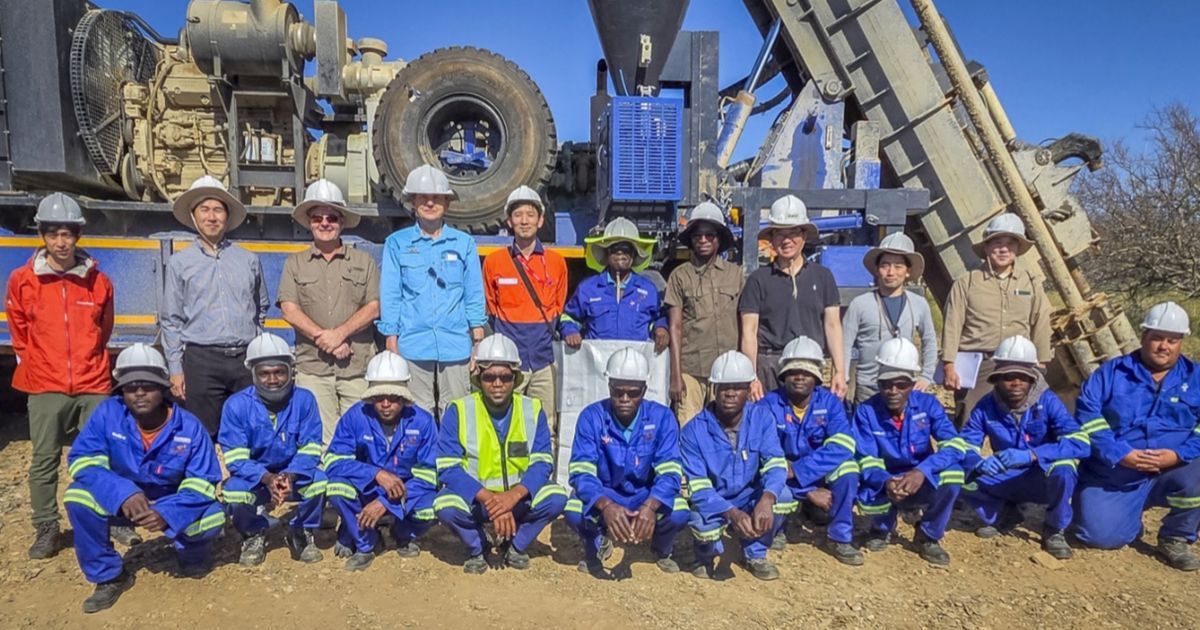
Namibia Critical Metals has launched the next phase of its Lofdal Definitive Feasibility Study (DFS), committing approximately C$11 million in additional project funding, according to Financial Content. The company has awarded its first major metallurgical contracts to SGS Canada Inc., a global leader in testing and process development, to validate the full processing flowsheet for the rare earth project.
The expanded DFS now includes in-country processing of rare earth ore — a significant step toward building downstream critical mineral industries inside Namibia itself. The project is also tied to strengthening rare earth supply chains for Japan and other allied nations.
SGS Canada Wins First Major Metallurgical Contract
Namibia Critical Metals awarded the first contracts under the expanded DFS to SGS Canada Inc., one of the world's top providers of metallurgical testing services, Financial Content reported. SGS will run tests starting from run-of-mine ore — meaning raw ore straight from the ground — and work all the way through to finished rare earth products.
The work will produce engineering data needed for updated plant design and project financing. This kind of data is critical before a mining company can secure loans or begin building a processing facility. The program is designed to significantly reduce risk in the processing side of the project.
Lofdal Will Produce Two Separate Rare Earth Products
The Lofdal program will evaluate producing two distinct products: a Light Rare Earth Carbonate and a Heavy Rare Earth Carbonate, according to Fort McMurray Today. These would be made through integrated hydrometallurgical processing — a chemical-based method that separates valuable metals from ore using liquid solutions.
Rare earths are divided into light and heavy types. Heavy rare earths are especially valuable for high-tech uses like electric vehicle motors and defense systems. Producing them separately inside Namibia adds more value to the country's resources before they are exported.
Namibia's In-Country Processing Vision Drives Expansion
The expanded DFS scope directly supports Namibia's national strategy to move beyond simply mining raw ore. By processing rare earths inside the country, Namibia captures more economic value at home. The Observer noted the announcement aligns with Namibia's vision of building downstream critical mineral industries.
The C$11 million funding boost makes this expansion possible. The money will pay for a comprehensive metallurgy development program. That program is expected to generate all the engineering data needed for detailed design and eventual construction of a processing plant inside Namibia.
Japan and Allies Look to Lofdal for Supply Chain Security
The Lofdal project is positioned as a key source of rare earths for Japan and allied economies seeking to reduce dependence on China, which dominates global rare earth supply. Chatham Daily News reported the project is meant to strengthen secure and diversified supply chains for those nations.
Namibia Critical Metals trades on the TSX Venture Exchange under the ticker NMI and on the OTCQB market as NMREF, according to Financial Content. The completion of a robust DFS would be a major step toward attracting the financing needed to bring Lofdal into full production.
Sentiment
NeutralNEGATIVENEUTRALPOSITIVE
Publishers
6
Articles
5
Reach
6
A
AnonymousAuthor


