Critical Minerals Shift
Greenland Mines Achieves Full Nasdaq Compliance and Acquires Major Rare Earth Asset
Anonymous
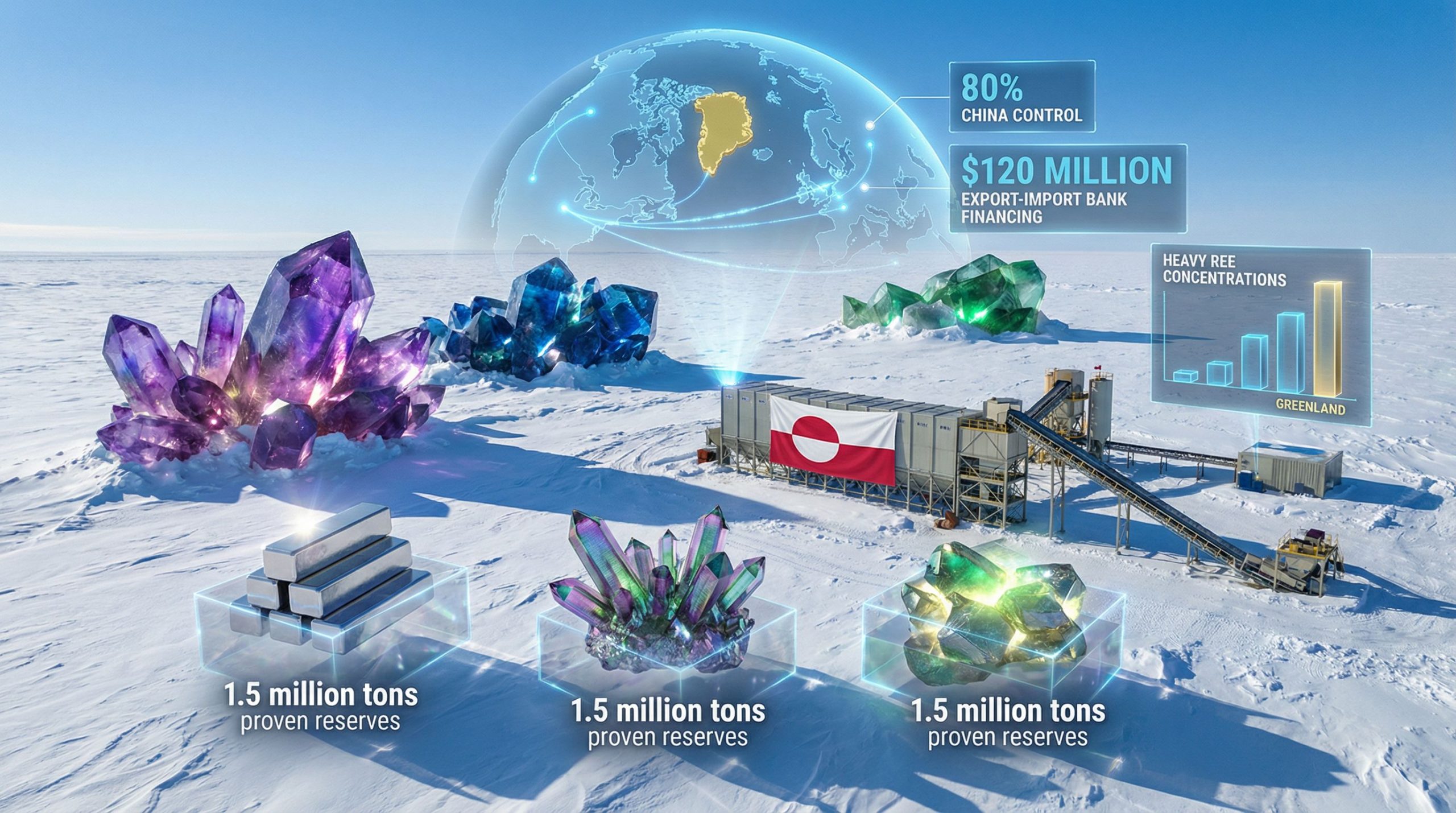
Greenland Mines (Nasdaq: GRML) has completed a major corporate overhaul, achieving full Nasdaq compliance and securing approval to acquire Sarfartoq, a rare earth deposit in Greenland. The company is now focused solely on rare earths and critical minerals, shedding its biotechnology division through a planned spin-off in Q4 2026 according to Market Screener.
Sarfartoq holds significant quantities of neodymium and praseodymium, two rare earth elements critical for permanent magnets used in electric vehicles and wind turbines. The Government of Greenland formally approved the acquisition, positioning the company to tap into one of the world's most strategically important mining jurisdictions, National Post reported.
A Rare Earths Play Taking Shape
Greenland Mines has narrowed its mission to a single focus: rare earths and critical minerals. The Sarfartoq acquisition represents the cornerstone of this strategy. Rare earth elements are essential for modern technology, from smartphones to military equipment. Neodymium and praseodymium specifically power the high-performance magnets that electric vehicles and renewable energy systems depend on, Hanna Herald noted.
The company's shift reflects broader geopolitical tension around rare earth supply chains. China currently controls most global rare earth production. Western nations view Greenland's deposits as a potential alternative source. By securing Sarfartoq, Greenland Mines positions itself as a key player in reshoring critical mineral extraction to the North Atlantic region.
Biotech Spin-Off Marks Clean Break From Old Model
The planned Q4 2026 biotech spin-off will completely separate Greenland Mines from its former life as a diversified company. This clean break allows each business to pursue its own strategy and capital markets expertise. The biotechnology division will become an independent public company, according to The Recorder.
Spinning off non-core assets is a common move when companies want to unlock shareholder value. By creating two focused entities, each can attract investors with specific appetites—one for mining, one for biotech. The move signals management's confidence in the rare earths thesis and willingness to shed distractions.
Nasdaq Compliance Opens Door to Larger Investor Base
Achieving full Nasdaq compliance removes a major hurdle for institutional investors. Nasdaq listings carry strict financial reporting and governance standards. Compliance signals that Greenland Mines meets the exchange's requirements for transparency and operational rigor. The Whig reported the company has now satisfied all Nasdaq listing requirements.
With compliance locked in, the company can now pursue capital raises and partnerships more easily. Large pension funds and mutual funds often avoid non-compliant stocks due to internal policies. Full Nasdaq status expands Greenland Mines' ability to fund exploration and development of the Sarfartoq deposit. An annual shareholder meeting is planned before year-end to formalize these shifts.
Why Greenland's Minerals Matter Now
Rare earth elements have moved from niche industrial chemicals to strategic national assets. Electric vehicle mandates, renewable energy buildouts, and defense modernization are all driving demand. Neodymium and praseodymium shortages could bottleneck these industries. Montreal Gazette noted that Greenland offers one of the few reliable sources outside China's sphere of influence.
Greenland's Arctic location and stable governance make it attractive to Western mining companies. Unlike some other rare earth deposits, Sarfartoq sits in a predictable regulatory environment. This reduces political risk compared to deposits in unstable regions. For investors hunting for exposure to the rare earths boom, Greenland Mines now offers a pure-play vehicle.
Sentiment
NeutralNEGATIVENEUTRALPOSITIVE
Publishers
13
Articles
13
Reach
13
A
AnonymousAuthor


