National History Narrative Dispute
Smithsonian Director Defends Museum's History Approach Amid White House Criticism
Anonymous
Key Points
1
Hartig told the House Oversight subcommittee that the White House report does not fairly or accurately characterize the museum's full body of work, asserting there is always room for improvement while emphasizing the beauty, inspiration, and expertise in the museum's collections, exhibits, and programming.
2
The White House Domestic Policy Council released a July Fourth report criticizing the museum for not telling history in an 'inspiring, unifying' way, framing it within a broader effort to reshape federally funded cultural narratives and to purge diversity, equity, and inclusion themes.
3
Hartig cited tangible examples of inclusive storytelling, pointing to exhibits such as 'In Pursuit of Life, Liberty and Happiness' that feature foundational artifacts (e.g., Thomas Jefferson's desk) to illustrate the museum's aim to include more voices rather than erase history.
4
Hartig is identified as the first woman to serve as director of the National Museum of American History, underscoring a historic leadership milestone amid the ongoing debate over how the nation's history should be presented.
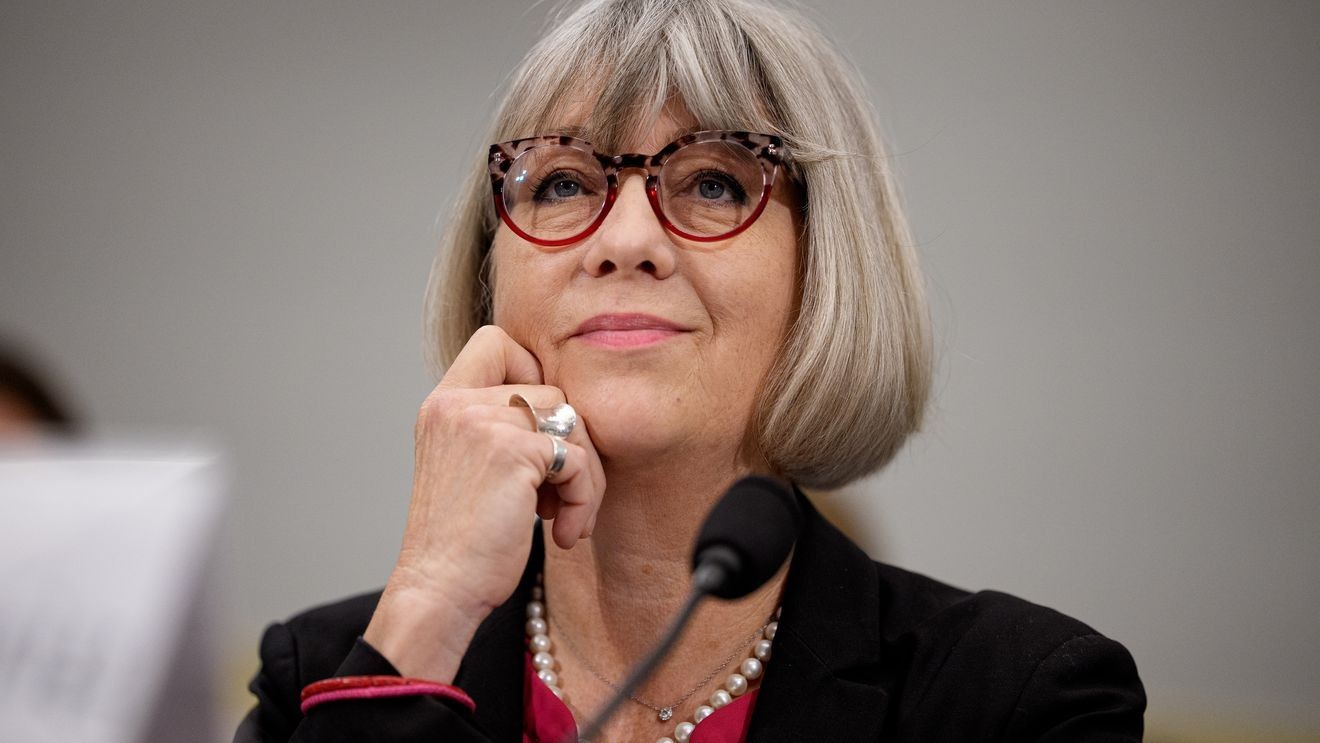
The director of the National Museum of American History faced sharp questioning from Republican lawmakers this week after the White House accused the Smithsonian of hijacking the American story. Dr. Anthea Hartig told a House Oversight subcommittee that a White House report does not "fairly or accurately" represent the museum's work, according to Fox San Antonio.
The clash is part of a broader Trump administration push to strip diversity, equity, and inclusion themes from federally funded cultural institutions. The White House wants museums to tell history in what it calls an "inspiring, unifying" way, WACH reported.
White House Report Calls Museum Leaders Radical Activists
The White House Domestic Policy Council released a report on July Fourth targeting the National Museum of American History. The report labeled the museum's leadership as "radical activists" who could not be trusted to tell America's story, according to KTUL. Republicans on the subcommittee used the report as a foundation to press Hartig on what they called a "woke agenda."
GOP members argued the museum downplays the Founding Fathers and the nation's origins. They said the current framing of exhibits reflects politics rather than history. Hartig pushed back firmly. She said there is "always room for improvement" but insisted the museum's collections, exhibits, and programming reflect beauty, inspiration, and deep expertise, Idaho News reported.
Hartig Points to Jefferson's Desk as Proof of Patriotic Storytelling
To counter the White House's claims, Hartig cited the museum's exhibit "In Pursuit of Life, Liberty and Happiness." The exhibit features Thomas Jefferson's writing desk — the very surface on which he drafted the Declaration of Independence. Hartig said exhibits like this show the museum is not erasing history. It is adding more voices to it, according to News3LV.
Hartig argued that including more perspectives does not replace foundational American stories. It builds on them. She said the goal is to show how the nation's ideals have been tested, challenged, and expanded over time. Republicans remained skeptical, saying that framing itself reflects a political point of view.
Historic Director Caught in a National Fight Over Memory
Hartig is the first woman to lead the National Museum of American History. That milestone now sits at the center of a heated national debate over who gets to shape how Americans understand their past. The museum draws millions of visitors each year and holds some of the country's most iconic artifacts, WACH reported.
The hearing reflects a wider tension inside the federal government. The Trump administration has moved to cut funding and reshape programming at multiple cultural institutions. The Smithsonian, which receives federal appropriations each year, has become a key battleground in that fight, according to Fox San Antonio.
What Comes Next for the Smithsonian's History Mission
No immediate policy changes were announced following the hearing. But the subcommittee's scrutiny signals that the museum could face pressure over its budget or programming. The White House has already used similar hearings to justify funding cuts and leadership changes at other federally backed institutions, KTUL reported.
Hartig did not back down. She said the museum will keep telling the full story of America. The debate over what that means — and who decides — is far from over. Both sides agree on one thing: the stakes are high. How America's story is told in its national museums shapes how future generations understand who they are.
Sentiment
Mostly NegativeNEGATIVENEUTRALPOSITIVE
Publishers
14
Articles
271
Reach
285
A
AnonymousAuthor


