Micron's AI-Driven Surge
Micron Stock Briefly Exceeds $1,000 Amid Surging AI Memory Demand and Tight Supply Cycle
Key Points
Hyperscalers’ demand is driving a tight memory cycle specifically for high-bandwidth memory (HBM3E and HBM4), with JPMorgan noting the supply-demand gap could persist for about two more years and that the shortage is broader than just GPU demand.
Micron’s current fundamentals point to a highly profitable era, with annualized revenue around $41.5 billion, gross margin about 72.6%, EBIT near 65.7%, net income around $28.2 billion, and roughly $25 billion in cash against $5.8 billion of long-term debt (plus a current ratio near 3.4).
Analyst and market-forecaster Adam Parker of Trivariate Research argues Micron could double within a couple of years and potentially reach a $1 trillion market cap, aided by a long earnings cycle and substantial free cash flow (estimates near $300 billion over the next two years).
Structural shifts in the memory market—DRAM’s share of server costs has fallen from roughly 40% to under 10% and the industry has consolidated—are expected to sustain a constrained, longer cycle with tighter supply.
There is ongoing speculation about a Micron stock split by the end of 2026; while not guaranteed, recent industry examples show splits can be followed by notable post-split performance, highlighting market chatter around near-term volatility and share count changes.
Micron Technology's stock crossed $1,000 per share on Monday, rising 5% to $1,020.76 by mid-morning as Wall Street analysts raised price targets on surging AI memory demand. International Business Times Australia reported the gain of $49.10 per share, pushing Micron past a symbolic milestone that has sparked fresh talk of a $1 trillion market cap.
The rally comes as demand for high-bandwidth memory — the specialized chips that power AI data centers — shows no sign of slowing. TipRanks noted Micron shares are up more than 4% at the open, with multiple ETFs tied to the stock showing 20%+ upside potential.
AI Memory Crunch Pushing Demand Far Beyond GPUs
JPMorgan analysts say the supply-demand gap for high-bandwidth memory could last about two more years. Importantly, they flag that the shortage goes well beyond GPU demand alone. Hyperscalers — giant cloud companies like Amazon, Google, and Microsoft — are buying memory chips at a pace that outstrips what the industry can produce. That tight supply cycle is expected to hold through at least 2027.
Micron makes HBM3E, the current generation of high-bandwidth memory, and is ramping HBM4. These chips sit directly on AI processors and move data at extreme speeds. Because only a handful of companies make them, any surge in demand quickly tightens supply and pushes prices higher — a dynamic that directly boosts Micron's margins.
Micron's Financials Hit a Highly Profitable Stride
Micron's current numbers are striking. The company is running at an annualized revenue rate of roughly $41.5 billion, with a gross margin near 72.6%. Net income sits around $28.2 billion annually. The company holds about $25 billion in cash against only $5.8 billion in long-term debt, giving it a current ratio near 3.4 — a sign of a very healthy balance sheet.
Investing.com noted Micron's stock broke above $1,017 on Monday, up nearly 11.5% from its 20-day moving average, with technical indicators showing strong bullish momentum. The Ichimoku Cloud — a chart tool traders use to gauge trend strength — now sits between $881 and $916, well below the current price, confirming the uptrend.
Adam Parker's Bold Call: Micron Could Hit $1 Trillion
Adam Parker of Trivariate Research is one of Wall Street's most vocal bulls on Micron. He argues the stock could double within a couple of years. His case rests on a long earnings cycle and massive free cash flow — he estimates Micron could generate close to $300 billion in free cash flow over the next two years. That kind of cash machine, he says, supports a $1 trillion market cap.
The structural story behind that call is compelling. DRAM — the type of memory Micron makes — once made up roughly 40% of a server's cost. That share has fallen to under 10%. At the same time, the memory industry has consolidated down to just a few major players. Fewer suppliers plus surging AI demand equals a longer, tighter cycle with higher prices — exactly the environment Micron thrives in.
Stock Split Speculation Grows as Share Price Climbs
With Micron now above $1,000 per share, market chatter about a potential stock split is growing louder. Yahoo Finance reported that a key move by the Trump administration helped fuel Monday's rally. While no split has been announced, analysts note that companies like Nvidia saw strong post-split performance after crossing similar price thresholds.
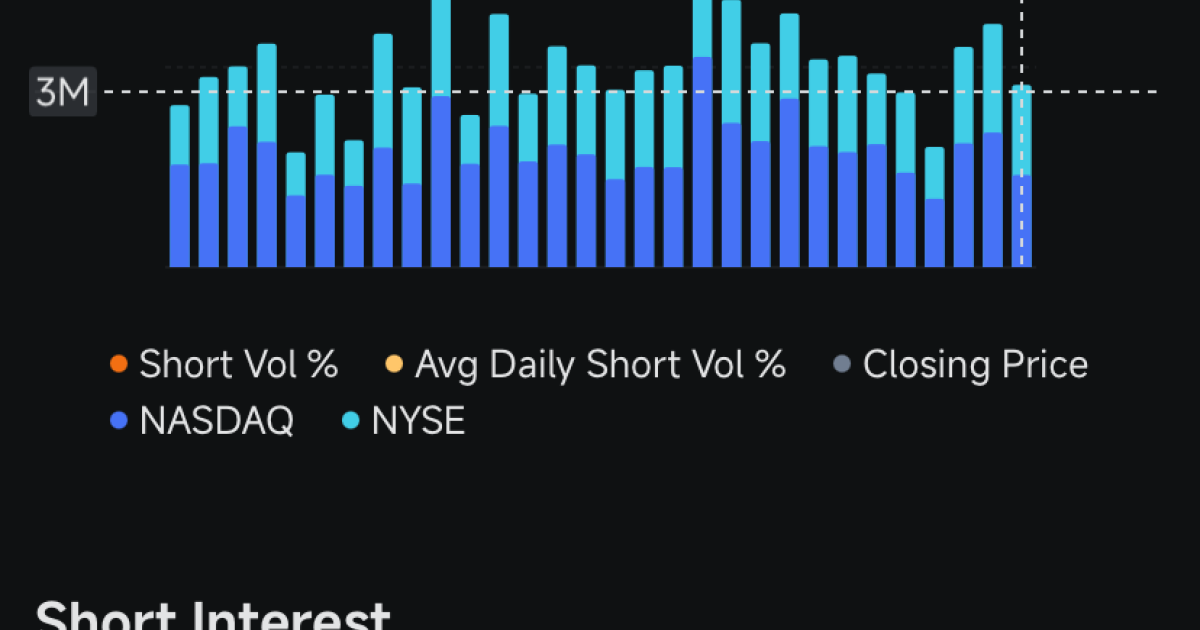
Moomoo flagged that Micron's short volume has climbed as the stock tests overbought levels, a sign that not everyone is convinced the rally holds. Volatility is real. But the broader analyst consensus points to continued upside through 2027, driven by AI memory tailwinds that show little sign of easing.
Sentiment
Mostly PositivePublishers
21
Articles
33
Reach
54


