Aircraft System Vulnerability
US Researchers Demonstrate Palm-Sized Device Disrupts Boeing 737 Critical Systems
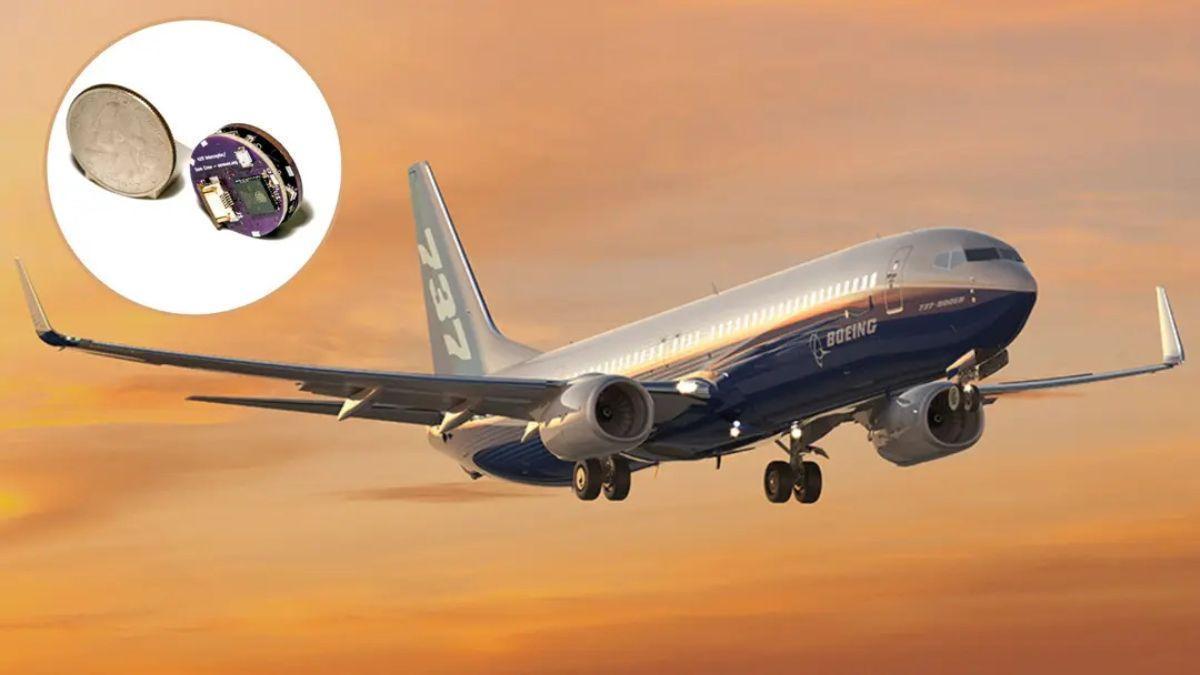
A device small enough to fit in the palm of your hand can hack critical systems on a Boeing 737 in under one minute. That is the finding of U.S. researchers who showed that brief physical access to the aircraft is all an attacker needs, according to El Periódico.
The discovery raises serious questions about aviation security worldwide. The researchers found that the device can interfere with communications between key flight systems — the kind that pilots depend on to fly safely. The research has alarmed cybersecurity experts and airline safety officials alike, Levante EMV reported.
How the Device Disrupts a Boeing 737's Key Systems
The device targets what experts call the avionics network — the internal system that lets different parts of a plane talk to each other. Think of it as the nervous system of the aircraft. The researchers' tool can send false signals across that network, Diario de Mallorca reported.
The attack requires no remote connection. A person only needs to plug the device into an accessible port inside the plane. Within about 60 seconds, the device can begin interfering with critical data flows. That means a bad actor with even brief, unsupervised access to an aircraft could carry out the attack, according to Diario Córdoba.
Why the Boeing 737 Is Particularly Vulnerable to This Attack
The Boeing 737 is one of the most widely flown commercial jets in the world. Hundreds of airlines operate it on thousands of routes every day. That makes any security flaw in the model a major global concern, La Provincia noted.
Researchers say older aircraft designs did not account for modern cybersecurity threats. The 737's internal network was built before this type of attack was even imagined. There are few built-in defenses to detect or block a rogue device once it is connected, according to El Periódico de Aragón.
Physical Access Is the Key Risk Factor for Hackers
Unlike remote hacking, this attack demands that someone physically reach the plane's internal hardware. That could mean a rogue ground crew member, a bad actor posing as maintenance staff, or even someone exploiting a lapse in airport security, LNE reported.
Airports have strict access rules, but researchers warn that enforcement is not always perfect. A one-minute window is a very short time to need. Security experts say the findings highlight a gap between physical security protocols and the reality of modern cyber threats, according to La Opinión de Murcia.
Researchers Call for Urgent Aviation Cybersecurity Upgrades
The team behind the research disclosed their findings responsibly, sharing them with aviation authorities before going public. Their goal is to push the industry to act. They argue that aircraft need the same kind of cybersecurity standards that protect hospitals and power grids, El Día reported.
Boeing has not yet issued a public statement in response to the findings. Aviation regulators in the U.S. and Europe are expected to review the research. Experts say fixing the problem will not be quick or cheap — updating avionics systems on thousands of planes already in service is a massive undertaking, according to Información.
Sentiment
NeutralPublishers
17
Articles
0
Reach
17