Heat Advisory Health Alert
Florida Heat Advisory Intensifies Health Risks for Residents Without Air Conditioning Access
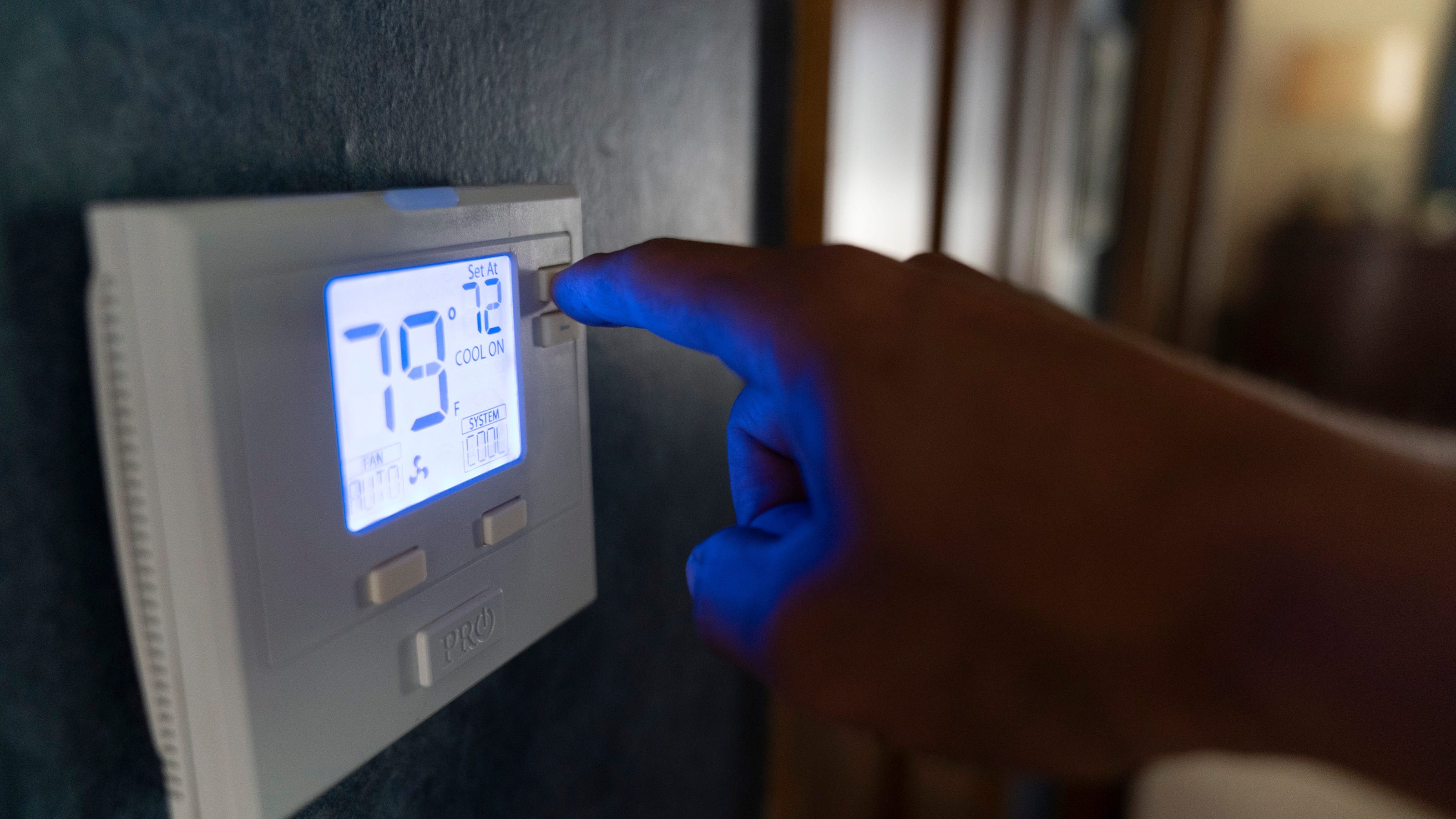
All 67 of Florida's counties are under a heat advisory, with forecasters warning of heat indexes hitting 105 to 110 degrees for multiple days, according to Naples Daily News. The dangerous heat raises an urgent question: can Floridians safely live without air conditioning? The short answer, doctors say, is increasingly no — especially for vulnerable groups.
Florida law requires landlords to provide heat, but not air conditioning — unless AC was part of the unit at move-in, TC Palm reports. That legal gap leaves many renters exposed to life-threatening heat with little recourse.
Heat Indexes of 110 Degrees Blanket Entire State
Forecasters predict the dangerous heat will stretch across Florida for several consecutive days, according to Naples Daily News. A heat index of 105 to 110 degrees is what the air actually feels like on your skin when humidity is factored in. That level of heat can overwhelm the body's natural cooling system within hours.
The National Weather Service issues heat advisories when conditions pose a risk to public health. Having all 67 counties under one simultaneously is a sign of how widespread and serious this event is, The Palm Beach Post notes.
Heat Exhaustion to Heat Stroke: What Happens to Your Body
Heat exhaustion is the first danger sign. Symptoms include heavy sweating, weakness, tiredness, dizziness, nausea, headache, and a rapid pulse, according to Herald Tribune. Left untreated, it can escalate fast.
The next stage — heat stroke — can kill. The body's core temperature spikes and the brain can no longer regulate it. Other serious risks include dehydration, heat cramps, vomiting, and fainting, The Ledger reports. People can go from feeling sick to critically ill in a matter of minutes in extreme heat.
Doctors Call AC a Medical Necessity, Not a Luxury
Emergency room doctor Timur Kouliev says air conditioning is a health necessity — not a comfort — for people who are especially vulnerable to heat, according to Jacksonville.com. That includes the elderly, young children, pregnant women, and people with heart or lung conditions.
People without AC face a much greater risk of heat-related illness than those who have it, News-Press reports. Even fans offer limited protection once temperatures climb above 95 degrees, because they stop cooling the body effectively and can actually speed up dehydration.
Florida Law Leaves Renters Without AC Protections
Florida landlords must keep rental units livable — but the law only requires heat, not air conditioning, Pensacola News Journal explains. If AC was present when a tenant moved in, the landlord must maintain it. But if it was never there, there is no legal obligation to add it.
For renters stuck without AC during a multi-day heat emergency, cooling centers offer the safest option. Daytona Beach News-Journal advises residents to seek out libraries, malls, and government-run cooling shelters during peak afternoon heat hours, typically between noon and 6 p.m.
Sentiment
NeutralPublishers
9
Articles
8
Reach
9


