Extreme Volcanic Life
Scientists Discover Mysterious Life Thriving in Extreme Blue Volcanic Mud Environments
Anonymous
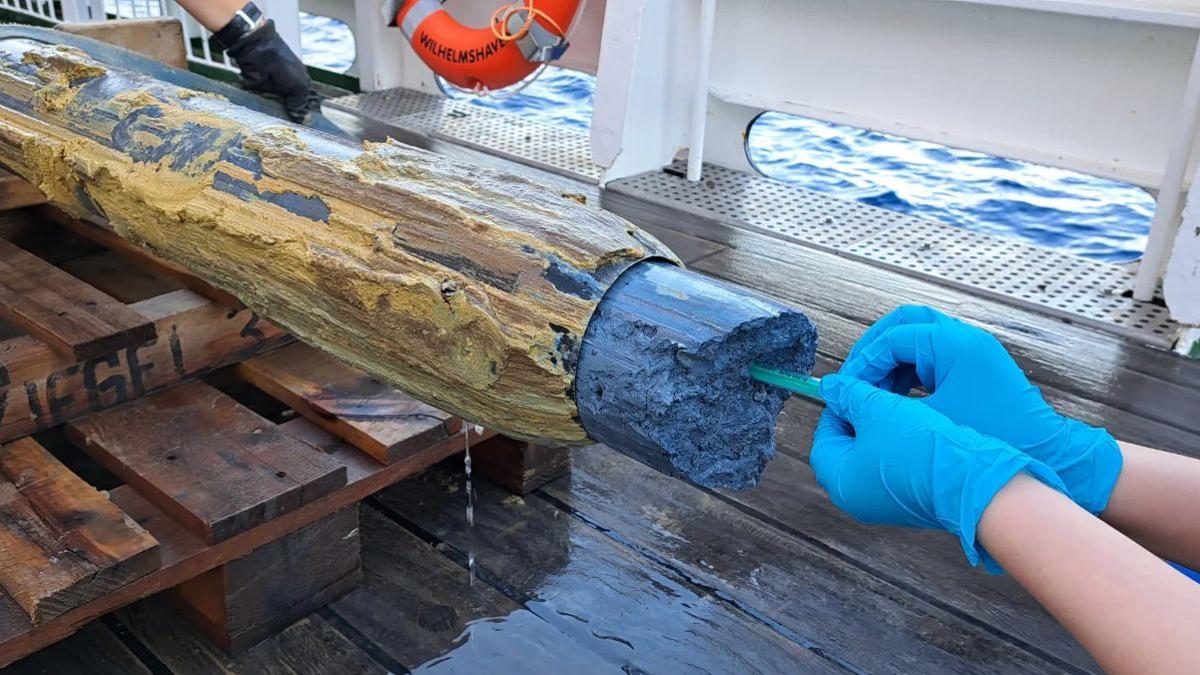
Scientists have found signs of life inside a strange blue volcanic mud — a substance so cold, so alkaline, and so poor in nutrients that most organisms could not survive there. The discovery, reported by El Periódico, challenges what researchers thought they knew about where life can exist on Earth.
The blue volcanic mud was found in an extreme environment where almost nothing should be able to grow. Yet microbes are thriving inside it. Researchers say the find proves that life can adapt to conditions far harsher than previously believed.
What Makes This Blue Mud So Unusual
The substance is no ordinary mud. It forms through volcanic activity and carries a striking blue color that sets it apart from any typical soil or sediment. According to Diario de Ibiza, the mud is hiperalkaline — meaning its pH level is extremely high, far beyond what most living things can handle.
On top of its harsh chemistry, the mud is also cold and nearly empty of organic matter. Organic matter is the carbon-rich material that most microbes eat to survive. Without it, life should struggle to get started — yet something is living there anyway.
Microbes Thriving Where They Should Not Exist
Researchers detected clear biological signals inside the blue mud. These are chemical and molecular markers that show living organisms are present and active. La Opinión de Murcia reported that the microbes appear to have found ways to survive without the usual energy sources life depends on.
Scientists describe the environment as an extreme niche — a tiny corner of the planet where conditions are so tough that only the hardiest life forms can survive. Finding active biology there is rare and significant. It suggests that extreme volcanic environments may harbor far more life than scientists assumed.
Why This Discovery Matters for Astrobiology
The find has big implications beyond Earth. Scientists who study the possibility of life on other planets — a field called astrobiology — pay close attention to discoveries like this one. Moons and planets in our solar system, such as Europa and Mars, also have cold, chemically harsh environments similar to this blue mud.
According to El Periódico de Aragón, if life can flourish inside this volcanic mud on Earth, it raises the real possibility that microbial life could exist in similar conditions elsewhere in the universe. Each extreme environment where life is found on Earth adds a new data point to that search.
Rewriting the Rules of Where Life Can Survive
Before this discovery, scientists had a fairly clear set of conditions they considered necessary for life: warmth, neutral chemistry, and a supply of organic nutrients. The blue volcanic mud breaks all three of those rules at once. Diario Córdoba noted that the finding forces a rethink of life's minimum requirements.
Researchers say the blue mud now stands as proof that life is more flexible and resilient than science gave it credit for. Cold temperatures, extreme alkalinity, and near-zero organic food are no longer automatic barriers. LNE reported that the discovery opens new questions about how early life on Earth may have first appeared in similarly harsh volcanic settings.
Sentiment
NeutralNEGATIVENEUTRALPOSITIVE
Publishers
16
Articles
0
Reach
16
A
AnonymousAuthor


