Nat Turner Rebellion
Today in History: Nat Turner Leads Rebellion Against Slavery in 1831
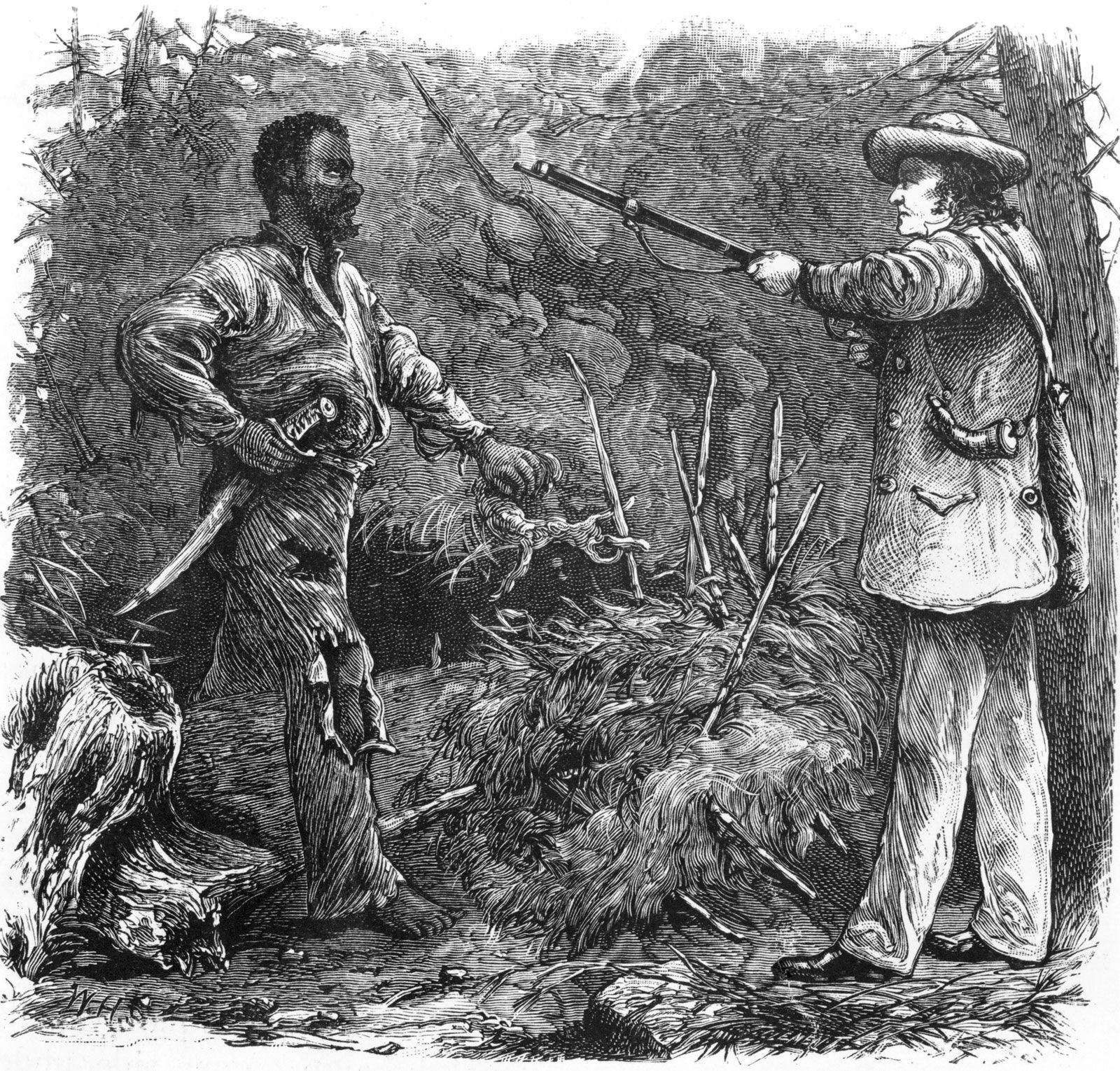
On August 21, 1831, Nat Turner led one of the most significant enslaved people's rebellions in American history. Turner, an enslaved man in Southampton County, Virginia, organized and launched an armed uprising that would shake the foundations of the slaveholding South and trigger a brutal response that reverberated for generations.
The Preacher Who Planned Rebellion
Nat Turner was not an ordinary enslaved person. He could read and write, rare skills for enslaved people at the time. Turner was deeply religious and believed that divine visions called him to lead his people to freedom. For years, he planned carefully, gathering trusted followers and waiting for the right moment to strike against slavery's chains.
An Uprising That Spread Quickly
On the night of August 21, Turner's group began their revolt in Southampton County. Moving from plantation to plantation, they freed enslaved people and killed white families. The rebellion grew as more joined the cause. Within hours, the uprising had spread across multiple farms and plantations in the region, striking terror into the hearts of slaveholders.
A Brutal Response That Followed
White militia and soldiers quickly mobilized to crush the rebellion. The response was swift and merciless. Dozens of enslaved people were executed in the crackdown. Turner himself escaped capture for several weeks before being hunted down, tried, and executed in November 1831. His rebellion lasted less than 48 hours, but its impact lasted far longer.
A Watershed Moment for American Slavery
Turner's rebellion terrified the South and hardened slaveholders' commitment to the system. Southern states passed harsher laws to control enslaved people and restrict their movement and education. Yet the uprising also inspired abolitionists in the North who saw it as proof of enslaved people's desire for freedom. Turner became a symbol of resistance that would echo through the abolitionist movement until the Civil War.
Sentiment
NeutralPublishers
4
Articles
4
Reach
4


