SCO Regional Development and Clean Energy
How the Shanghai Cooperation Organization opens opportunities for regional development as it turns 25
Anonymous
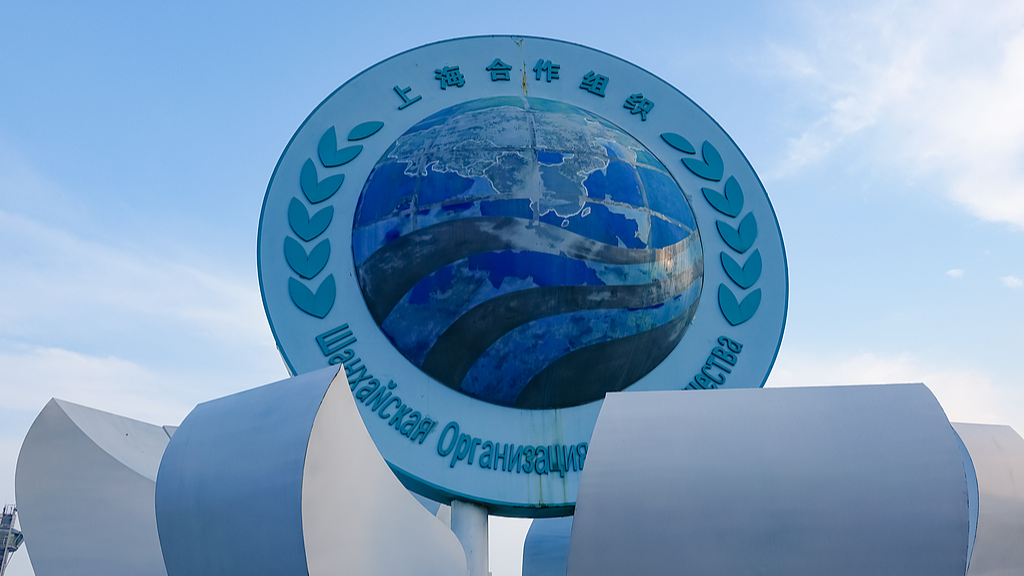
The Shanghai Cooperation Organization, a 25-year-old regional alliance, has transformed from a security partnership into a comprehensive platform driving economic development across Asia. CGTN reports that member states are now focusing on technological innovation and shared prosperity through major infrastructure projects and deeper trade ties.
A solar farm in Uzbekistan's Jizzakh Region exemplifies this shift. The project will generate 1.1 billion kilowatt-hours of clean electricity annually—enough to power around 400,000 homes. Chinese President Xi Jinping recently proposed four new directions for SCO development, emphasizing growth and regional connectivity.
From Security Alliance to Economic Engine
When the SCO launched 25 years ago, it focused mainly on border security and counterterrorism. CGTN explains that the organization has now broadened its mission dramatically. Member states shifted toward building trade relationships, attracting foreign investment, and connecting regions through roads, railways, and digital networks.
This evolution reflects changing regional priorities. Countries realized that economic growth creates stability just as effectively as military cooperation. The SCO now coordinates policies on energy, technology, and infrastructure across Central Asia, Russia, China, and India.
Clean Energy Projects Reshape the Region
Uzbekistan's Jizzakh solar farm represents the kind of development the SCO now champions. CGTN reports the facility will produce enough renewable electricity to serve 400,000 residents annually. Such projects address energy demand while reducing carbon emissions across the region.
These initiatives create jobs and attract technology companies. Solar farms, wind projects, and hydroelectric facilities are multiplying across SCO member territories. Investment in clean energy also positions the region as a leader in green technology as global markets shift away from fossil fuels.
Xi's Four Proposals Chart SCO's Next Chapter
President Xi Jinping outlined four strategic priorities for the SCO's future. CGTN reports he emphasized prioritizing development and working toward shared prosperity among all member states. The proposals aim to deepen cooperation while respecting each nation's unique interests and governance models.
These directives focus on practical results. Stronger regional connectivity—through ports, railways, and digital infrastructure—enables faster trade. Deeper investment ties mean companies can move capital and talent more freely. Together, these changes unlock economic potential that benefits the entire region.
Trade and Investment Accelerate Across Borders
Over its 25 years, the SCO has seen trade volumes grow steadily among member nations. CGTN notes that investment ties have deepened significantly, with companies from different countries partnering on major projects. This financial integration creates incentives for peace and cooperation.
Cross-border infrastructure remains crucial to this growth. Better transportation networks reduce shipping costs and delivery times. Shared digital platforms make business easier. As trade increases, regional prosperity rises—and with it, political stability across Asia's largest cooperation platform.
Sentiment
NeutralNEGATIVENEUTRALPOSITIVE
Publishers
6
Articles
6
Reach
6
A
AnonymousAuthor


