Continental Smoke Event
Canadian and U.S. Wildfire Smoke Blankets North America, Reaching Mexico and Cuba
Anonymous
Key Points
1
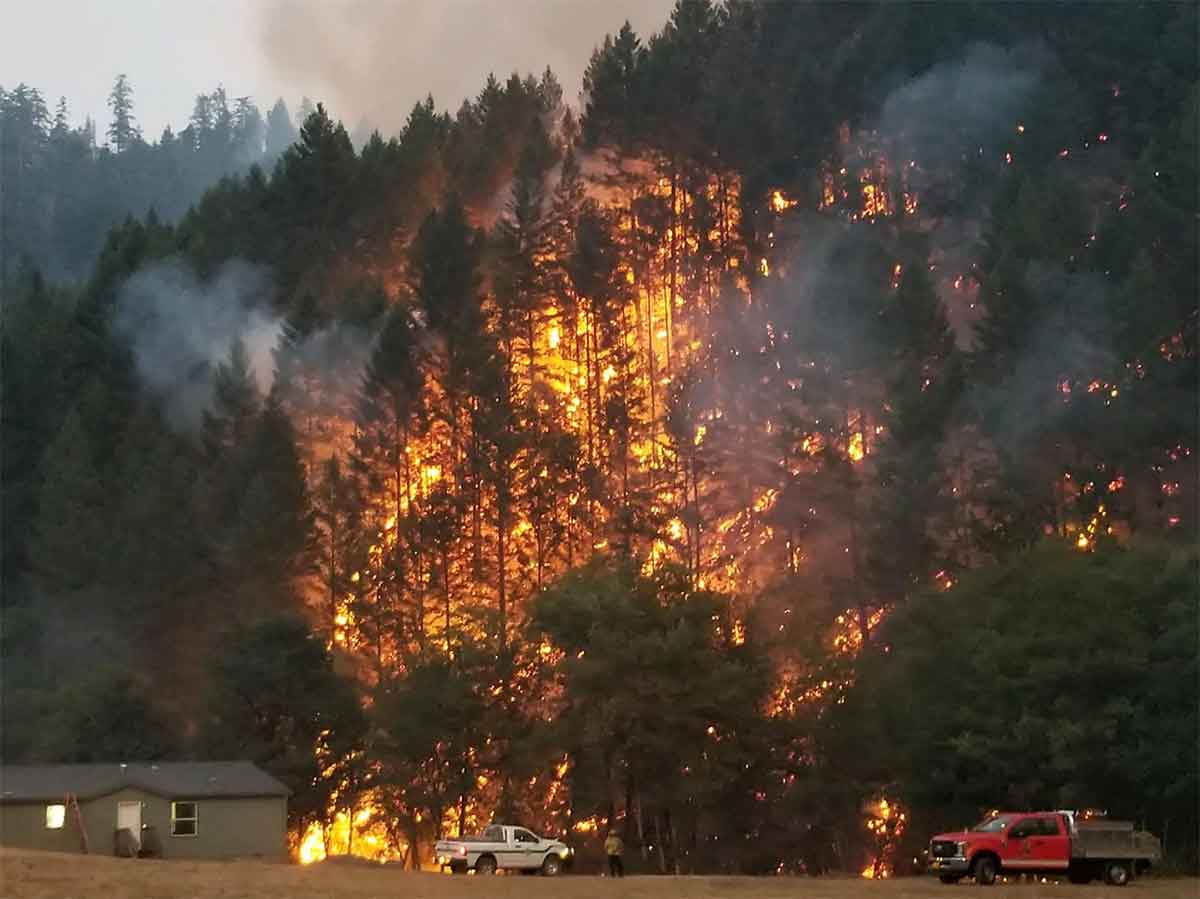
Oregon contributed discrete moderate-to-heavy density smoke plumes that were observed drifting north to northeastward from isolated wildfires in both the northeastern and southwestern parts of the state.
2
Cuba experienced fires producing smoke densities ranging from light to heavy, with plumes drifting southeastward across the island.
3
Southern Mexico and Central Mexico showed a layer of light-density smoke from today’s fire activity, with remnant smoke from previous days observed across Central Mexico and drifting offshore into the Pacific.
4
In the Northwest Territories, there was a regional layer of moderate-to-heavy density smoke in addition to heavy-density plumes, with eastward drift through Nunavut toward Baffin Island.
5
Ontario’s Great Lakes region was characterized by multiple, discrete medium-to-heavy density smoke plumes from extensive wildfires, rather than a single continuous blanket.
A massive wildfire smoke event is blanketing Canada and large parts of the United States, with heavy-density plumes centered in the Northwest Territories and spreading eastward through Nunavut toward Baffin Island, according to The Californian. Fires burning across western Quebec, central Manitoba, and Saskatchewan are adding to the haze, pushing smoke south through Ontario and across the Great Lakes region.
The smoke is not limited to Canada. In the U.S., the Babylon and Gold Mountain Fires in Utah and Colorado are feeding additional plumes that mix with Canadian smoke to blanket much of the eastern half of the country, with the haze reaching offshore into the Atlantic, The Californian reports.
Northwest Territories Fires Drive the Worst of It
The worst smoke is coming from the central Northwest Territories. Wildfires there are producing both a broad regional layer of moderate-to-heavy density smoke and concentrated heavy-density plumes, according to The Californian. Those plumes drift east across Nunavut and push all the way to Baffin Island. The scale of this single source region is driving much of the smoke event across the continent.
Ontario's Great Lakes area is seeing some of the most complex smoke patterns. Extensive wildfires there are producing multiple separate medium-to-heavy density plumes — not one continuous blanket. This makes air quality conditions harder to predict and uneven from one location to the next, The Californian notes.
U.S. Fires in Utah and Colorado Add to the Mix
American wildfires are making a bad situation worse. The Babylon Fire in Utah and the Gold Mountain Fire in Colorado are both pushing smoke into the atmosphere, according to The Californian. Their plumes merge with the southward-drifting Canadian smoke to cover the eastern United States and extend offshore. Oregon is also contributing, with moderate-to-heavy smoke from isolated fires in the northeastern and southwestern parts of the state drifting north to northeast.
Smoke Reaches Mexico, Cuba, and the Pacific
The smoke event extends well beyond North America's borders. Southern and central Mexico are seeing a layer of light-density smoke from active fires today, The Californian reports. Remnant smoke from previous days is also drifting offshore into the Pacific from central Mexico. Cuba is dealing with its own fire activity, with smoke density ranging from light to heavy and plumes drifting southeastward across the island.
Lighter smoke is also visible over Central America, the Gulf of Mexico, and near Newfoundland, according to The Californian. The overall picture is a broad, multi-region smoke event with no single country or fire as the sole cause. Plumes from dozens of fires are combining and overlapping across thousands of miles.
What This Means for Air Quality Across the Region
Heavy-density smoke is the most dangerous category for health. It can cut visibility, trigger respiratory problems, and worsen conditions for people with asthma or heart disease. The smoke event now stretches from the Northwest Territories south to Central America and from the Pacific to offshore in the Atlantic, according to The Californian. The sheer geographic reach makes this one of the largest smoke events in recent memory.
Conditions are expected to remain widespread as long as fire activity continues at this scale. No single region is close to containing the fires driving the heaviest smoke. Residents across Canada and the eastern U.S. are advised to monitor local air quality alerts and limit time spent outdoors when smoke is thick, The Californian reports.
Sentiment
Mostly NegativeNEGATIVENEUTRALPOSITIVE
Publishers
33
Articles
41
Reach
74
Topics
A
AnonymousAuthor


