Iran-Japan Oil Negotiations
Japan and Iran Negotiate Oil Deals Under Short-Term Sanctions Waiver, Buyers Seek Guarantees
Anonymous
Key Points
1
As of the waiver activation, about 68 million barrels of Iranian crude were already sitting on tankers, with more than 80% of those barrels lacking clear destinations, highlighting significant logistical risk and uncertainty in current oil flows.
2
The trade is being conducted under General License X, a 60-day window that allows dollar-denominated Iranian crude trades and related products until August 21, 2026, with buyers seeking a longer waiver and concrete shipping guarantees.
3
Iran’s National Iranian Oil Company has actively reached out to refiners in Japan, India, and South Korea to rebuild Asian demand and diversify away from reliance on China.
4
Japan’s Ministry of Economy, Trade and Industry reportedly has no detailed information on the talks, and Japanese buyers remain cautious about committing capital without clearer terms and longer guarantees.
5
Experts warn that the two-month window is not enough to establish payment channels, shipping insurance, and due diligence, and there is a risk of secondary sanctions if deals proceed after the waiver expires.
Iran has begun talks with Japanese companies to resume oil sales under a U.S. sanctions waiver that expires August 21, 2026, according to Times of Israel. The waiver, known as General License X, opens a 60-day window for dollar-denominated Iranian crude trades. If deals close, it would mark Japan's first Iranian oil imports since 2019.
The talks come as Washington and Tehran hold broader peace discussions. But Japanese buyers are moving carefully. They want a longer waiver and firm guarantees before committing any capital, Jerusalem Post reported.
A 60-Day Window With Major Strings Attached
General License X gives buyers until August 21, 2026, to complete Iranian crude trades using U.S. dollars. That sounds like an opening — but experts say two months is not enough. Buyers need time to set up payment channels, arrange shipping insurance, and complete legal due diligence. Any deal that runs past the expiry date could trigger secondary sanctions, meaning non-U.S. firms could lose access to American markets.
Japan's Ministry of Economy, Trade and Industry told reporters it has no detailed information on the talks, according to Guru Focus. That gap in official guidance is part of why Japanese refiners are hesitant. Without government backing and clear legal cover, committing to a new supply chain is a big risk.
68 Million Barrels Already at Sea, Destinations Unknown
When the waiver took effect, about 68 million barrels of Iranian crude were already sitting on tankers. More than 80% of those barrels had no clear destination, according to Times of Israel. That is a massive amount of oil floating in limbo — and it signals how much uncertainty already surrounds Iranian crude flows.
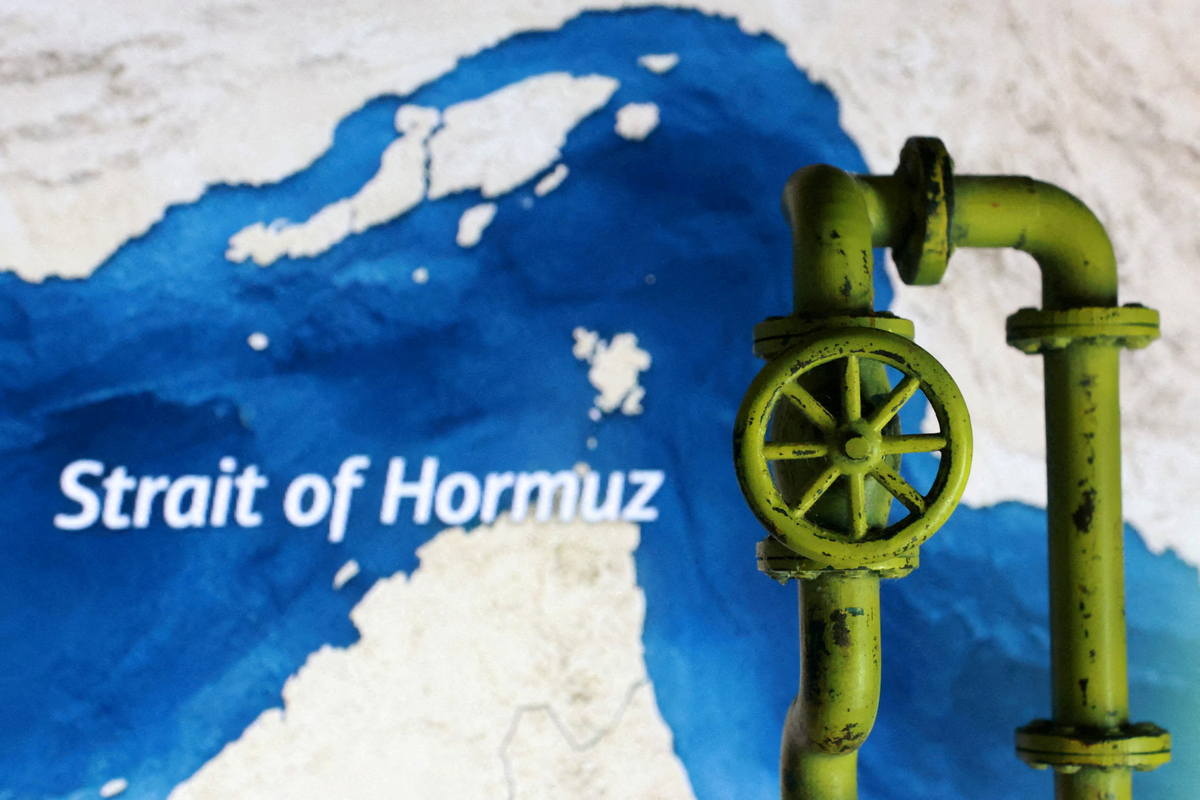
Market watchers say a renewal or expansion of sanctions relief could redirect some of those barrels toward Asia and push global oil prices lower. But persistent regulatory risk keeps many buyers on the sidelines. Safe navigation in the Gulf and the Strait of Hormuz is also a concern flagged by potential buyers, Jerusalem Post noted.
Iran Courts Japan, India, and South Korea to Break China Dependency
Iran's National Iranian Oil Company has actively reached out to refiners in Japan, India, and South Korea. The goal is clear: rebuild Asian demand and reduce heavy reliance on China as its primary buyer. China has been buying Iranian oil throughout the sanctions period, often at steep discounts. Iran wants better prices and a wider customer base, SE Daily reported.
Japan's potential re-entry into the market would be symbolically and commercially significant. Japanese refiners stopped buying Iranian crude in 2019 after the Trump administration ended waivers for key importers. Resuming those purchases would mark a major shift — but only if the legal and logistical barriers can be cleared in time.
Longer Waivers and Shipping Guarantees Top the Wish List
Sources familiar with the talks say Japanese buyers are pushing for two things above all else: a longer sanctions waiver and concrete assurances about ship safety. A 60-day window does not give refiners enough time to restructure supply chains that have been dormant for six years. Buyers want guarantees that run at least several months, according to Mezha.
Shipping insurance is another sticking point. Many insurers avoid Iranian crude due to sanctions risk. Without coverage, tankers carrying Iranian oil face port restrictions and financing problems. Until those issues are resolved, even willing buyers may stay on the sidelines — watching the clock run down on the August 21 deadline.
Sentiment
Mostly NegativeNEGATIVENEUTRALPOSITIVE
Publishers
17
Articles
38
Reach
55
A
AnonymousAuthor


