Aircrew Radiation Risk
Study finds flight attendants and pilots face higher cancer risk from radiation exposure
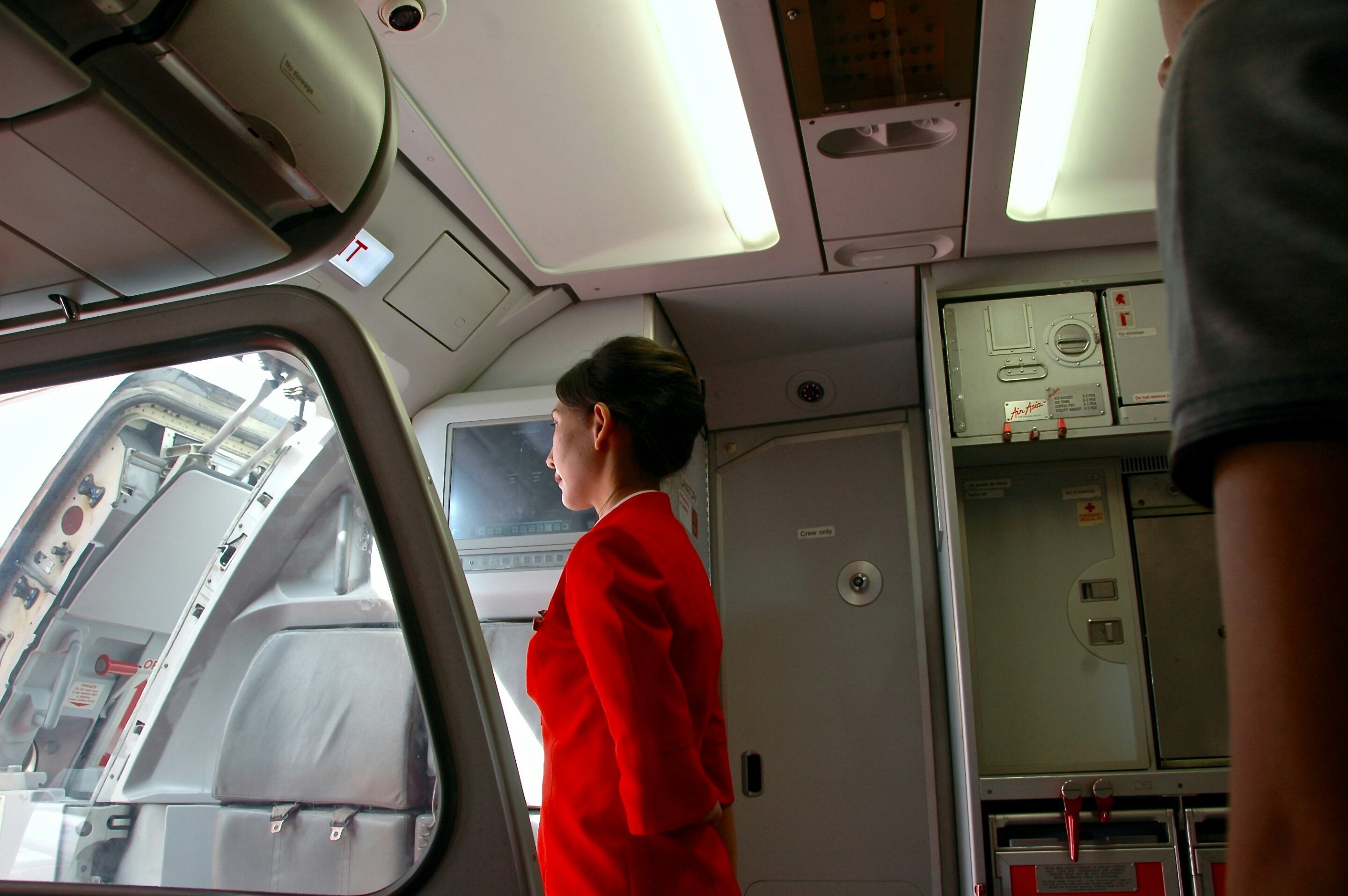
Flight attendants have about a 50% higher chance of dying from radiation-linked cancers than the general working population, according to a new study from JAMA Internal Medicine. Pilots face about a 36% higher risk. The findings put both groups at the top of all occupations studied.
Researchers analyzed more than 12 million death certificates to reach their conclusions, according to KCCI. Despite the known risk, the Federal Aviation Administration does not set dose limits for flight crew or require any radiation monitoring.
How Altitude Exposes Crews to Dangerous Radiation
The higher a plane flies, the thinner the atmosphere gets. That thin air offers less protection from cosmic radiation — high-energy particles that stream in from space. At cruising altitude, crews absorb far more radiation than people on the ground do during a normal day.
The FAA openly acknowledges that aircrews are exposed to ionizing radiation, according to KOAT. Ionizing radiation is the type that can damage DNA inside cells. Over time, repeated exposure can raise the risk of cancer. However, the agency has not put rules in place to track or limit how much crew members absorb.
Flight Attendants Face the Steepest Cancer Death Risk
Among all workers studied, flight attendants had the highest share of deaths tied to radiation-linked cancers, according to WMUR. Their odds of dying from these cancers were roughly 50% higher than those of the average working American. That gap is significant and points to a real occupational hazard.
Pilots ranked second, with about 36% higher odds than the general workforce, according to WAPT. Both groups spend far more hours at high altitude than the average person. That repeated, long-term exposure appears to be the key driver of the elevated risk.
FAA Acknowledges Risk but Sets No Exposure Limits
The FAA admits that flight crews are a "occupationally exposed" group when it comes to radiation. Even so, the agency does not require airlines to monitor how much radiation their pilots and flight attendants absorb, according to WVTM13. No federal dose limits exist for this workforce.
This stands in contrast to other high-radiation jobs like nuclear power plant workers, who face strict federal exposure rules and regular monitoring. Aviation workers log thousands of hours in the air every year with none of those safeguards in place.
What the Study Means for Airline Worker Safety
The study used national death certificate data from more than 12 million records, making it one of the largest looks at this issue, according to KCCI. That large data set gives the findings significant weight. Researchers say the results should push regulators to take a closer look at aviation worker protections.
For now, flight attendants and pilots have few options to reduce their personal exposure. Some experts suggest that tracking total flight hours and altitude could be a first step. Without federal rules requiring such tracking, however, most crews fly blind when it comes to knowing their radiation dose.
Sentiment
NeutralPublishers
5
Articles
5
Reach
5


