Channel Tunnel Competition Arrives
Virgin Trains Secures Regulatory Approval to Challenge Eurostar's Channel Tunnel Monopoly by 2030
Key Points
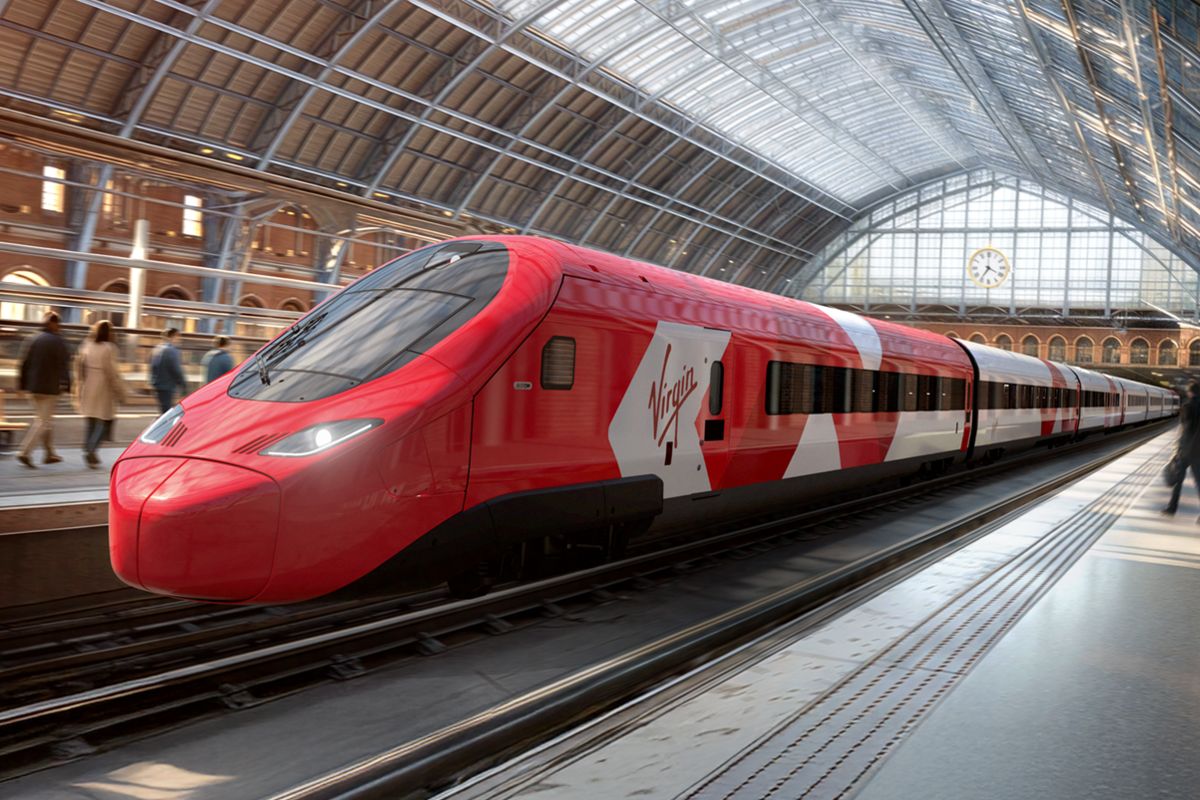
The ORR has pre-approved a framework track access agreement between HS1 Limited and Virgin Trains' operator (VTE OPCO Limited), formalizing the plan to run up to 20 daily return services through the Channel Tunnel from 1 October 2030 to 31 December 2040.
Virgin Trains plans to invest about £700 million in new rolling stock and terminal infrastructure to support the cross-Channel service, with expectations that market liberalization will drive down fares.
The regulatory move could revitalize stations like Ashford International and other regional hubs along the cross-Channel corridor as competition increases for international rail services.
Temple Mills depot in east London is the only depot accessible from High Speed 1, making it Virgin Trains' primary maintenance base for the new Channel Tunnel services.
Martin Jones, ORR deputy director of access and international, described the decision as an 'important next step in bringing competition and growth to the market for international rail services,' signaling broader liberalization efforts.
The UK's rail regulator has cleared the way for Virgin Trains to run up to 20 daily return services through the Channel Tunnel starting 1 October 2030, dealing a direct blow to Eurostar's 30-year monopoly on cross-Channel rail travel. The Office of Rail and Road (ORR) granted Virgin formal track access rights on High Speed 1, the UK rail line connecting London to the tunnel, covering services through 31 December 2040, according to BBC.
Sir Richard Branson said the move will bring Virgin's brand of "magic" to cross-Channel travel, with planned services linking London St Pancras to Paris, Brussels, and Amsterdam — the same three cities Eurostar currently serves. Virgin plans to invest around £700 million in new trains and terminal infrastructure to make it happen, TTG Media reported.
ORR Approval Breaks Open a 30-Year Eurostar Monopoly
The ORR approved a framework track access agreement between HS1 Limited and Virgin's operating company, VTE OPCO Limited. The deal locks in up to 20 daily return trips through the Channel Tunnel for a full decade. Martin Jones, ORR deputy director of access and international, called it "an important next step in bringing competition and growth to the market for international rail services," according to BBC.
The clearance is a major milestone, but it is not the finish line. Virgin must still get access rights on rail networks in France, Belgium, and the Netherlands. It also needs safety approvals from EU regulators before any train can carry a single passenger. The company is targeting a 2030 launch date, Yahoo News reported.
£700 Million Investment and the Promise of Lower Fares
Virgin's £700 million investment will cover new rolling stock — the high-speed trains built to run through the Channel Tunnel — as well as upgrades to terminal infrastructure. Cross-Channel trains are expensive to build because they must meet strict safety rules for undersea travel. The investment signals that Virgin is serious, not just testing the waters.
Industry observers say real competition could push fares down significantly. Eurostar tickets can cost hundreds of pounds at peak times. A rival operator running 20 daily services would give travellers a genuine choice for the first time since the tunnel opened in 1994. TTG Media noted that market liberalization is expected to drive down prices across the route.
Temple Mills Depot: The Key Piece of Rail Infrastructure
Virgin also secured the right to use Temple Mills depot in east London, which it will share with Eurostar. Temple Mills is the only maintenance facility connected to High Speed 1. That makes it the sole place where Channel Tunnel trains can be serviced and inspected on the UK side. Without access to it, Virgin could not operate at all.
The ORR's decision to grant shared access to Temple Mills was therefore just as important as the track rights themselves. BBC reported that Virgin will use the depot as its primary maintenance base for the new services, giving the company the operational foundation it needs to run a reliable cross-Channel timetable.
Regional Stations Could Revive as Competition Grows
The arrival of a second operator could breathe new life into stations that have sat largely quiet for years. Ashford International in Kent was built to serve cross-Channel passengers but sees far fewer trains than it was designed for. Increased competition could push operators to add stops at regional hubs, giving more UK travellers direct access to the continent.
Yahoo News reported that the regulatory clearance is being seen as a wider signal of rail liberalization across Europe. More operators could follow Virgin into the market if the 2030 launch proves successful. For now, all eyes are on whether Virgin can clear the remaining EU regulatory hurdles in time to run its first train on schedule.
Sentiment
Mostly PositivePublishers
30
Articles
55
Reach
85


