KPop Trademark Battle
Christian Metal Band Demon Hunter Sues Netflix Over KPop Trademark Dispute
Key Points
Criterion is preparing November 2026 editions of KPop Demon Hunters across 4K UHD, Blu-ray, and DVD ahead of the sequel, signaling a significant physical-media push for the franchise.
Netflix has filed trademark applications for merchandise tied to the KPop Demon Hunters live global concert tour in partnership with AEG, indicating a broad branding and product strategy beyond the film.
Hyde Lane states that Demon Hunter has been active since the early 2000s, roughly 25 years, and that this longevity supports its position as the senior user of the Demon Hunter mark.
An Albany, New York incident is cited where a fan spent about $500 on top-tier Demon Hunter concert tickets thinking it was a KPop Demon Hunters show, illustrating direct consumer confusion.
The complaint also includes allegations of false designation of origin and unfair competition in addition to trademark infringement.
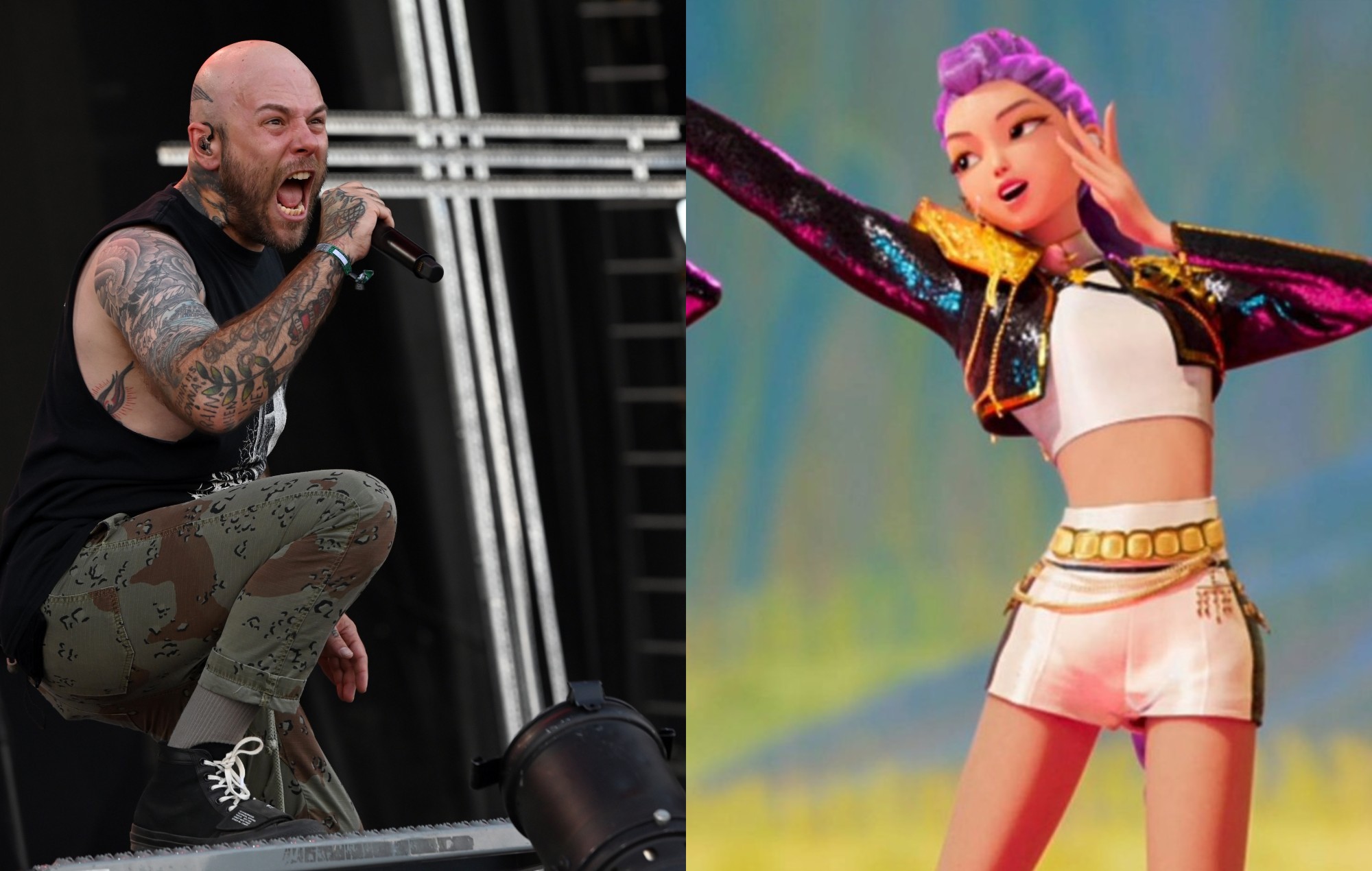
Veteran Christian metal band Demon Hunter has sued Netflix, Netflix Studios, and concert promoter AEG Presents over the animated film franchise KPop Demon Hunters, claiming the name infringes on its long-held trademark, according to NME and Cartoon Brew. The band, operating through its company Hyde Lane, says Netflix's growing franchise has drowned out its identity and misled fans into thinking the two are connected.
The case highlights a growing tension between established artists and big-budget media franchises. Demon Hunter has been active since the early 2000s — roughly 25 years — giving it the legal standing to claim it is the senior user of the mark, Contact Music reported.
Fan Pays $500 for Wrong Concert, Fueling Lawsuit
The clearest evidence of confusion comes from Albany, New York. A fan spent roughly $500 on premium tickets to what they thought was a Demon Hunter concert. It was actually a KPop Demon Hunters show, according to Coming Soon. The band's legal team calls this a textbook case of consumer confusion — a core element in any trademark claim.
Hyde Lane argues that Netflix and AEG's massive resources have effectively buried the band's brand. The complaint says the defendants' market footprint is so large that it misleadingly suggests an official link between the two acts. The band is seeking treble damages, Netflix's profits from the disputed branding, an injunction to stop use of the name, and reimbursement of legal fees, NME reported.
Netflix and AEG Built a Franchise Far Beyond One Film
KPop Demon Hunters is no longer just a movie. Netflix has filed trademark applications for merchandise tied to a live global concert tour run in partnership with AEG, according to Cartoon Brew. The tour, the soundtrack, and the merchandise all carry branding that Hyde Lane says overlaps directly with its own goods and services.
The physical-media push is also ramping up. Criterion is preparing November 2026 editions of KPop Demon Hunters on 4K UHD, Blu-ray, and DVD ahead of a planned sequel, per Coming Soon. That kind of expansion gives the franchise an even larger footprint — one that Hyde Lane says dwarfs what an independent metal band can compete with.
Band Claims Infringement, False Origin, and Unfair Competition
The lawsuit does not stop at trademark infringement. Hyde Lane also alleges false designation of origin and unfair competition, according to Cartoon Brew. False designation of origin means the defendants are accused of making consumers believe their products come from, or are approved by, Demon Hunter — even if unintentionally.
The band is demanding a jury trial and is asking the court to award exemplary damages on top of standard compensation. Neither Netflix nor AEG has publicly responded to the lawsuit, Contact Music reported. The case is still in its early stages.
What Demon Hunter's Legal Standing Actually Means
In trademark law, the party that used a name first typically wins — that is what 'senior user' means. Demon Hunter has used its name commercially since the early 2000s, well before KPop Demon Hunters debuted on Netflix, according to NME. That timeline is central to Hyde Lane's argument.
But longevity alone does not guarantee a win. Courts also weigh how similar the goods and services are and how likely confusion is. A $500 misdirected ticket purchase is exactly the kind of real-world evidence that can move a judge or jury, legal experts generally note. The outcome could set a precedent for how media franchises name future properties.
Sentiment
Mostly NegativePublishers
21
Articles
37
Reach
58


