Rare Earth Supply Diversified
Lynas, JS Link Build Malaysia Magnet Plant to Diversify Global Rare Earth Supply Chain
Anonymous
Key Points
1
Lynas will invest about A$50 million to acquire roughly 4.58% of JS Link, with the funds earmarked to support the construction of the Malaysian magnet factory; the stake will be held in escrow for three years.
2
The deal has come amid environmental concerns and NGO protests over rare-earth production in Malaysia, underscoring scrutiny of non-Chinese supply chains.
3
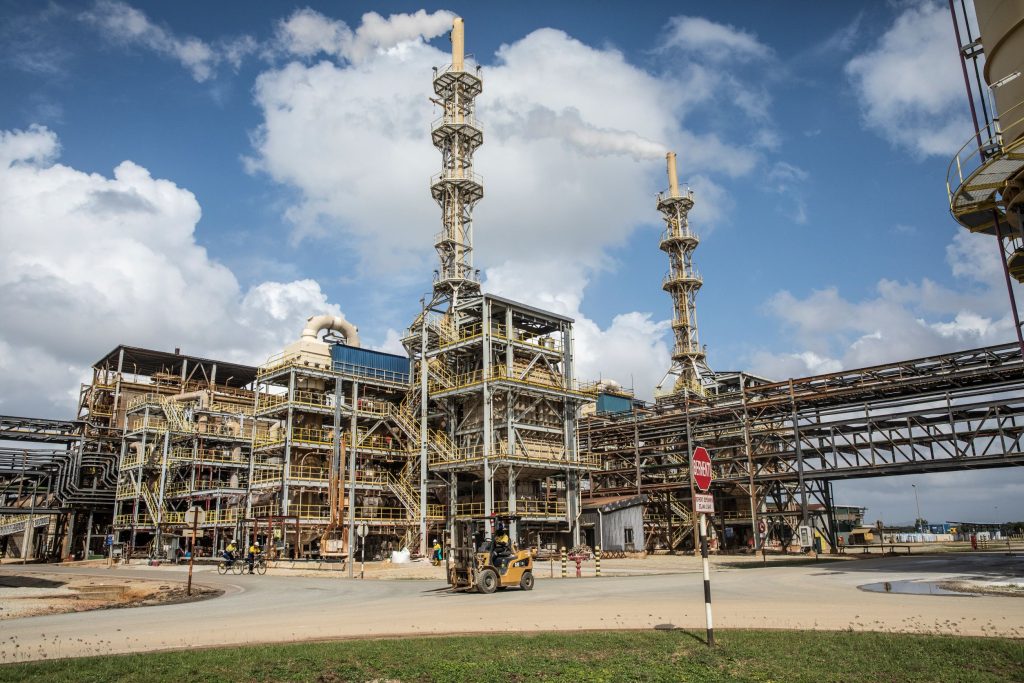
Lynas' Gebeng processing facility near Kuantan is described as the largest commercial rare earths processing site outside China, in operation since 2012 and contributing to about 10% of the global rare earth market.
4
Malaysia is highlighted as a strategic hub for rare earth resources, with about 274,144 metric tonnes of reserves, reinforcing the country’s role in the regional supply chain.
Australian rare earths producer Lynas and South Korea's JS Link have signed a deal to build a 3,000-tonne-per-year permanent magnet factory in Kuantan, Malaysia, with Lynas committing around US$35 million (RM142 million) to fund construction, according to Technode Global. The plant will supply magnets to automotive, wind energy, and electronics industries across Korea, Malaysia, and beyond.
Lynas will also invest roughly A$50 million to acquire a 4.58% stake in JS Link, held in escrow for three years, according to Veye. The deal follows a memorandum of understanding signed in July 2025 and is expected to create up to 400 jobs.
A $35 Million Bet on Malaysia's Magnet Hub
The new factory will sit near Lynas' Gebeng processing facility outside Kuantan. That site is the largest commercial rare earths processing plant outside China, in operation since 2012, according to Mining Weekly. It handles roughly 10% of the world's rare earth supply.
Under an exclusive supply agreement running through January 2038, Lynas will provide rare earth materials to both the new Malaysian plant and JS Link's existing factory in Yesan, South Korea, according to Head Topics. The arrangement locks in a long-term feedstock pipeline across three countries.
Linking Australia, Korea, and Malaysia Into One Supply Chain
The deal is designed to build a fully integrated rare earths value chain. Lynas mines ore in Western Australia, processes it at Gebeng in Malaysia, and will now supply finished magnets through JS Link's Korean and Malaysian plants, according to Technode Global. That end-to-end setup is rare outside China.
Malaysia holds about 274,144 metric tonnes of rare earth reserves, making it a strategic anchor for the region, according to Veye. The country is quietly becoming a key node in a global push to diversify supply away from Chinese dominance.
Environmental Protests Shadow the Expansion
The partnership has not gone unchallenged. NGOs and local communities have raised environmental concerns about rare earth processing in Malaysia, according to Mining Weekly. Rare earth refining generates radioactive waste, and Lynas' Gebeng site has faced protests for years over waste storage and water contamination fears.
The scrutiny reflects a broader tension in the global rare earths race. Diversifying away from China is a widely shared goal, but building the alternative supply chain requires plants that face real local opposition. How Malaysia manages that balance could shape the sector's growth in the region.
Why Permanent Magnets Are the Prize Worth Chasing
Neodymium-iron-boron magnets — the type this factory will make — are essential for electric vehicle motors and wind turbines. China currently dominates their production. A 3,000-tonne-per-year plant is a meaningful step toward changing that, according to Head Topics.
JS Link already runs a magnet plant in Yesan, South Korea. Pairing that experience with Lynas' raw material supply gives the venture a competitive edge, according to Mining Monthly. The goal is to serve Korean, Malaysian, and global customers who want magnets with no Chinese footprint.
Sentiment
Mostly PositiveNEGATIVENEUTRALPOSITIVE
Publishers
17
Articles
32
Reach
49
A
AnonymousAuthor


