Affordable Air Defense Innovation
Lockheed Martin Develops New, Cost-Effective PAC-3 Interceptor with European Allies Amid Rising Demand
Anonymous
Key Points
1
Fire Point, a Ukrainian arms maker, carried out the first test flight of its FP-7.x anti-missile interceptor, signaling growing competition among cheaper, high-volume interceptors intended to counter drones and missiles and suggesting potential mass production in the future.
2
Lockheed Martin’s ACE program will be built on the existing PAC-3 fire-control system and will connect to Northrop Grumman’s Integrated Battle Command System, enabling more integrated and faster engagements.
3
Lockheed also disclosed a memorandum of understanding with Rheinmetall to co-produce the Army Tactical Missile System in Germany, signalling deeper European collaboration on next-generation air defense.
4
The move is framed within a broader Western push to build indigenous defense manufacturing and reduce reliance on a small number of suppliers amid a European rearmament trend.
5
In the United States, the Missile Defense Agency’s Low-Cost Interceptor program targets a prototype within 18 months with a price tag around $750,000 per interceptor, reflecting a government-driven push toward cheaper, scalable defenses.
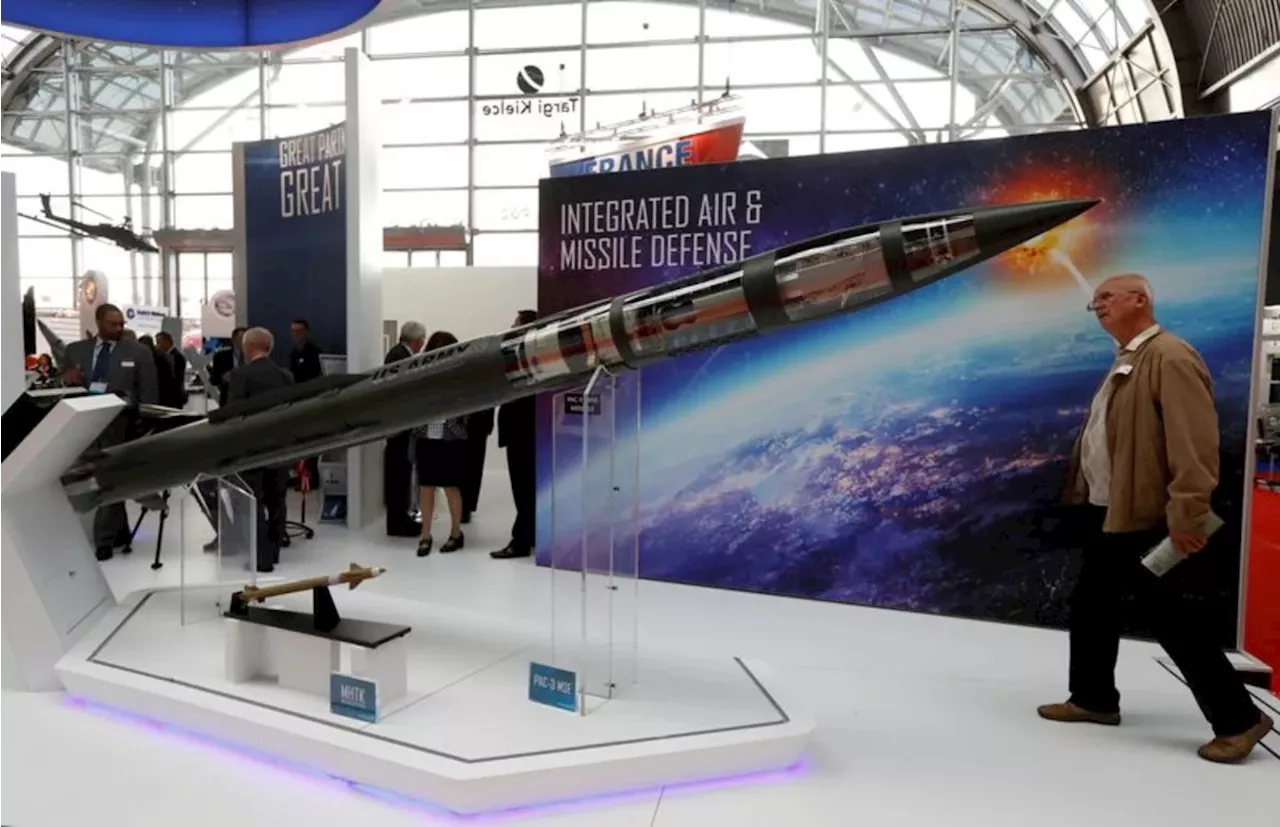
Lockheed Martin unveiled a cheaper Patriot missile at the Farnborough Airshow, aiming to cut costs in half and field the weapon within three years. The new interceptor, called the PAC-3 Adapted Capability Effector, or ACE, will cost less than half the roughly $4 million price of the current PAC-3 MSE missile, according to Janes and Financial Times.
Lockheed plans to co-develop and build ACE with U.S. and European partners. The push comes as stockpiles of high-end interceptors run low and demand for affordable air defense surges worldwide, driven in part by the war in Ukraine.
ACE Costs Half as Much, Ships in Three Years
The PAC-3 ACE is designed to cost less than $2 million per missile — compared to roughly $4 million for the existing PAC-3 MSE, according to Freedom 96.9. Lockheed executive Tim Cahill described the system as "battle-tested and budget-smart." The company targets initial production within 36 months.
ACE will plug into the existing PAC-3 fire-control system. It will also connect to Northrop Grumman's Integrated Battle Command System. That means faster, more coordinated engagements — without replacing the entire Patriot infrastructure already deployed by the U.S. and allies.
Europe Gets a Manufacturing Role in Patriot's Future
Lockheed is not building ACE alone. The company signed a memorandum of understanding with German defense giant Rheinmetall to co-produce the Army Tactical Missile System in Germany, according to Janes. The deal signals a deeper push to build European manufacturing capacity for key U.S. weapons.
The move fits a broader trend. Europe is spending heavily on rearmament, and Western governments want to reduce reliance on a small number of suppliers. Co-developing ACE with European partners helps spread production and cuts the risk of future shortages, according to South China Morning Post.
Cheaper Interceptors Race to Fill a Growing Gap
Lockheed's ACE is not the only cheap interceptor in development. In the U.S., the Missile Defense Agency's Low-Cost Interceptor program is targeting a prototype within 18 months at around $750,000 per missile — a fraction of current prices. Startups and new entrants are also joining the race.
Ukraine-based arms maker Fire Point carried out the first test flight of its FP-7.x anti-missile interceptor, signaling that cheaper, high-volume alternatives are gaining ground. The growing field of low-cost interceptors reflects a hard lesson from the Ukraine war: expensive missiles run out fast when drones and missiles attack in swarms.
Drone Threat Forces a Rethink on Air Defense Economics
The core problem is economic. Shooting down a $500 drone with a $4 million missile is not sustainable. Depleted stockpiles in Ukraine and among NATO allies have made this painfully clear, according to Head Topics. The ACE program is a direct response to that mismatch.
By cutting the price of a Patriot-compatible interceptor by more than half, Lockheed hopes allies can afford to build larger stockpiles and fire more freely against low-cost threats. If ACE hits its 36-month timeline, European and U.S. forces could have the new missile in hand before the end of the decade, according to South China Morning Post.
Sentiment
Mostly PositiveNEGATIVENEUTRALPOSITIVE
Publishers
37
Articles
85
Reach
122
A
AnonymousAuthor


