Samsung's Next-Gen Battery
Samsung Debuts Silicon-Carbon Batteries in New Foldables, Prioritizing Safety and Wider Adoption
Anonymous
Key Points
1
Samsung is reportedly among the first Android manufacturers to deploy silicon-carbon batteries in foldables, with rivals like Google and Apple not yet adopting the tech, marking a notable shift after past hesitations in flagship lines such as the S26 lineup.
2
In Galaxy Unpacked, Samsung framed the silicon-carbon move as primarily about safety and long-term reliability rather than faster charging or bigger capacity.
3
Industry observers suggest this could signal a broader transformation across the Galaxy ecosystem, potentially bringing silicon-carbon batteries to future Galaxy S, A, M, and F devices.
4
The Galaxy Z Fold 8 Ultra is listed with a 5,000 mAh battery and a claimed up to 27 hours of video playback, illustrating tangible endurance gains associated with the new chemistry.
5
Samsung confirmed that the same silicon percentage is used across the Z Fold 8, Z Fold 8 Ultra, and Z Flip 8, but did not disclose the exact percentage or specifics on charging speed or durability improvements.
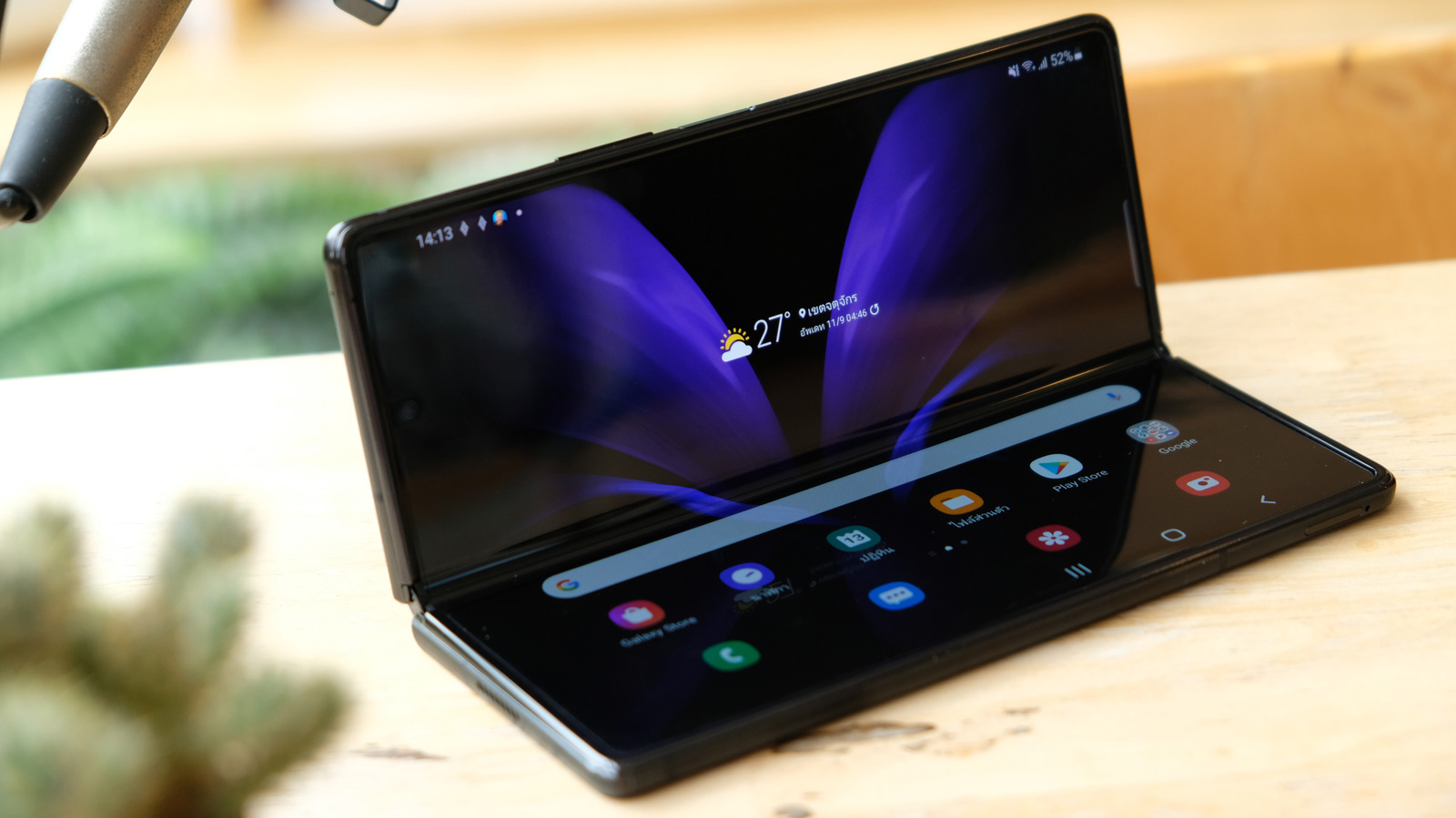
Samsung is bringing silicon-carbon batteries to foldable phones for the first time, rolling the new technology across the Galaxy Z Fold 8 Ultra, Z Fold 8, and Z Flip 8. The move gives the company a way to pack more battery life into slim, foldable designs without making the devices thicker or heavier, according to BGR.
The Galaxy Z Fold 8 Ultra leads the lineup with a 5,000 mAh battery and up to 27 hours of video playback. That is a meaningful jump for a phone category long limited by tight internal space. Samsung skipped silicon-carbon batteries in its Galaxy S26 lineup earlier this year, making this debut all the more notable, BGR notes.
What Silicon-Carbon Batteries Actually Do Differently
A standard lithium-ion battery uses graphite to hold energy. Silicon-carbon batteries swap in silicon, which can store far more energy in the same space. The tradeoff is that silicon expands and contracts during charging, which can shorten battery life. Samsung says it has addressed those concerns, framing the move around safety and long-term reliability, according to BGR.
Samsung confirmed it uses the same silicon percentage across all three new foldable models. The company has not disclosed what that percentage is. It also has not shared specific data on charging speed improvements or how the new chemistry affects long-term durability, WebProNews reports.
Samsung Framed the Shift Around Safety, Not Speed
At Galaxy Unpacked, Samsung did not lead with bigger numbers. Instead, the company emphasized reliable performance over time. That framing is deliberate. Samsung faced high-profile battery incidents in the past with the Galaxy Note 7, and foldable phones carry their own hardware stress from repeated folding and unfolding.
The Galaxy Z Fold 8 Ultra starts at $2,099, according to WebProNews. The standard Z Fold 8 is expected to come in at a lower price point. Reported battery capacities range from around 4,300 to 4,800 mAh for the non-Ultra models, offering a real-world upgrade over previous generations within the same slim form factor, per Sportskeeda.
Chinese Rivals Pushed Samsung to Make This Move
Chinese smartphone makers have used silicon-carbon batteries in foldables for years. Brands like Huawei and Honor deployed the technology well before Samsung. That competitive pressure mounted while Samsung held back, testing the chemistry more cautiously before committing to a commercial launch, according to BGR.
Google and Apple have not yet adopted silicon-carbon batteries in their flagship devices. That gives Samsung a window to claim a technology edge in the premium foldable market. Industry watchers say the timing signals Samsung's confidence that the technology is now ready for mass-market use, AOL reports.
Silicon-Carbon Could Spread Across the Galaxy Lineup
The foldable launch may be just the beginning. Industry observers say Samsung could bring silicon-carbon batteries to its broader Galaxy lineup, including the Galaxy S, A, M, and F series. That would mark a major shift in how Samsung powers its phones across all price points, according to Yahoo Tech.
Samsung skipped the technology in the Galaxy S26 this year, but analysts expect the Galaxy S27 to be a likely candidate for the next rollout. If Samsung follows through, silicon-carbon batteries could become standard across most of its phones within two product cycles.
Sentiment
Mostly PositiveNEGATIVENEUTRALPOSITIVE
Publishers
14
Articles
3
Reach
17
Topics
A
AnonymousAuthor


