Gaza Zoo: Resilience Amid War
Gaza's Nuseirat Zoo Reopens Amid War, Battling Animal Malnutrition and Offering Children Normalcy
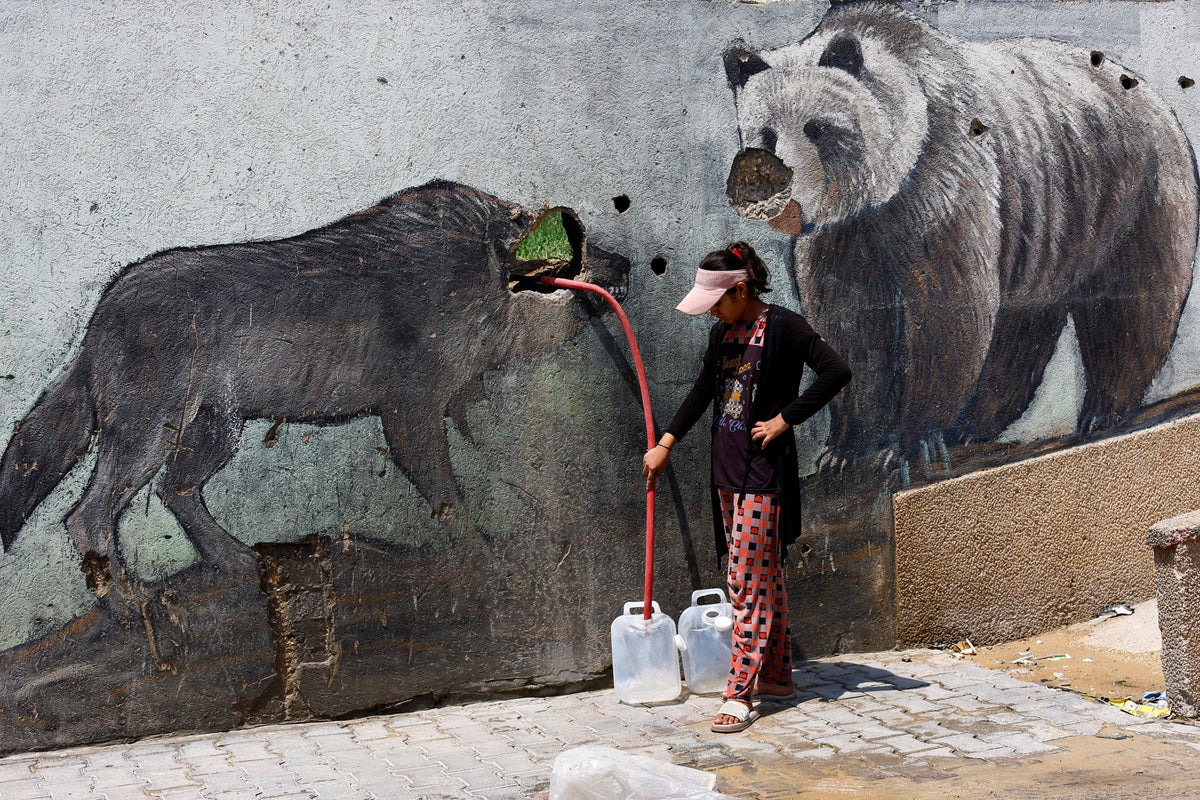
Key Points
Gomaa left behind three lions, several crocodiles and African ostriches when fleeing Rafah; months later he returned to find only the bones of the crocodiles and the ostriches.
Vets say owners are feeding the animals frozen meat, describing it as a catastrophe and a wrong nutritional plan since wild animals in nature eat fresh prey.
To salvage survivors, Gomaa moved animals across Gaza and reopened the zoo in Nuseirat earlier this year to give traumatized children a chance at some normalcy.
Visitors often see a lion barely acknowledging them and chimpanzees sitting listlessly, underscoring the animals’ weakened condition amid the war.
There were a number of zoos in Gaza before the conflict, as municipal records show.
A Gaza zoo has found a way to stay open amid war. Mahmoud Gomaa, the owner of the Nuseirat zoo, fled his original facility in Rafah after Israeli attacks destroyed it. He moved his surviving animals across Gaza and reopened the zoo earlier this year — giving traumatized children a rare moment of calm, according to The Independent.
The zoo is struggling. Severe shortages of food, medicine, and vaccines have left many animals malnourished and visibly weak. Visitors often see a lion barely lifting its head and chimpanzees sitting listlessly in their enclosures, The Independent reported.
Gomaa Fled Rafah, Leaving Animals Behind
When Israeli forces attacked Rafah, Gomaa had no choice but to flee. He left behind three lions, several crocodiles, and African ostriches. Months later, he returned to check on them. He found only the bones of the crocodiles and the ostriches, according to Macon.com.
The lions' fate remains unclear. Gomaa managed to move other surviving animals out of Rafah and relocate them to Nuseirat, in central Gaza. There, he reopened the zoo, determined to keep it running. Before the war, Gaza had several zoos, as municipal records show, according to Taylorville Daily News.
Frozen Meat and No Vaccines: A Crisis for the Animals
With fresh food nearly impossible to get, zoo workers have been feeding the animals frozen meat. Vets say this is a serious problem. Wild animals are built to eat fresh prey. Feeding them frozen meat, one vet called it "a catastrophe" and "a wrong nutritional plan," according to The Independent.
There are also no vaccines and almost no medicine. Animals that would normally receive regular care are going without. The shortages are the direct result of the broader humanitarian crisis gripping Gaza. Donor and volunteer support is the only thing keeping the zoo alive, according to Head Topics.
Children Still Come, Searching for a Normal Moment
Despite the animals' condition, families keep visiting. Children who have lived through bombing, displacement, and loss come to the zoo looking for something that feels normal. The zoo has become a symbol of resilience in a community under enormous strain, according to Taylorville Daily News.
Gomaa has continued showing up every day to feed and care for the animals. His effort stands out at a time when most of Gaza's zoos have shut down or collapsed. The zoo in Nuseirat remains one of the few still operating, Macon.com reported.
War's Toll on Gaza's Wildlife Remains Largely Hidden
The story of Gaza's zoo animals has gotten little attention compared to the human toll of the war. But the bones Gomaa found in Rafah tell a grim story. Animals that had no way to escape paid the price of a conflict they had no part in, according to The Independent.
Gomaa says he plans to keep the Nuseirat zoo open as long as he can. The animals need care. The children need a place to go. For now, this fragile, under-resourced refuge is holding on — one frozen meal at a time, according to Head Topics.
Sentiment
Mostly NegativePublishers
15
Articles
92
Reach
107