Rising Iranian Confidence
U.S. Intelligence Warns Iran's Growing Confidence Risks a Protracted Conflict
Anonymous
Key Points
1
Iran’s previous escalation included attacks on U.S. military bases in the Middle East that killed three Americans in Jordan, as well as strikes on shipping in the Strait of Hormuz and infrastructure in Kuwait and elsewhere.
2
President Donald Trump is reportedly holding off on negotiations because he believes economic pressure could force Tehran to make concessions on control of the Strait of Hormuz and, later, on its nuclear program; U.S. officials warn that sanctions could instead provoke further escalation.
3
Rep. Jason Crow said Iran views its position “rather optimistically” and is pursuing “a far more long-term strategy than before,” reflecting assessments that Tehran believes it has learned from successive rounds of fighting.
4
Iran reportedly believes the United States is less able to launch major additional attacks because its stocks of missiles and ammunition have declined, reducing the perceived risk of a large-scale U.S. strike.
5
The assessments indicate that Iran’s internal opposition has weakened as the ruling system has consolidated around hard-line factions, contributing to greater cohesion within the leadership.
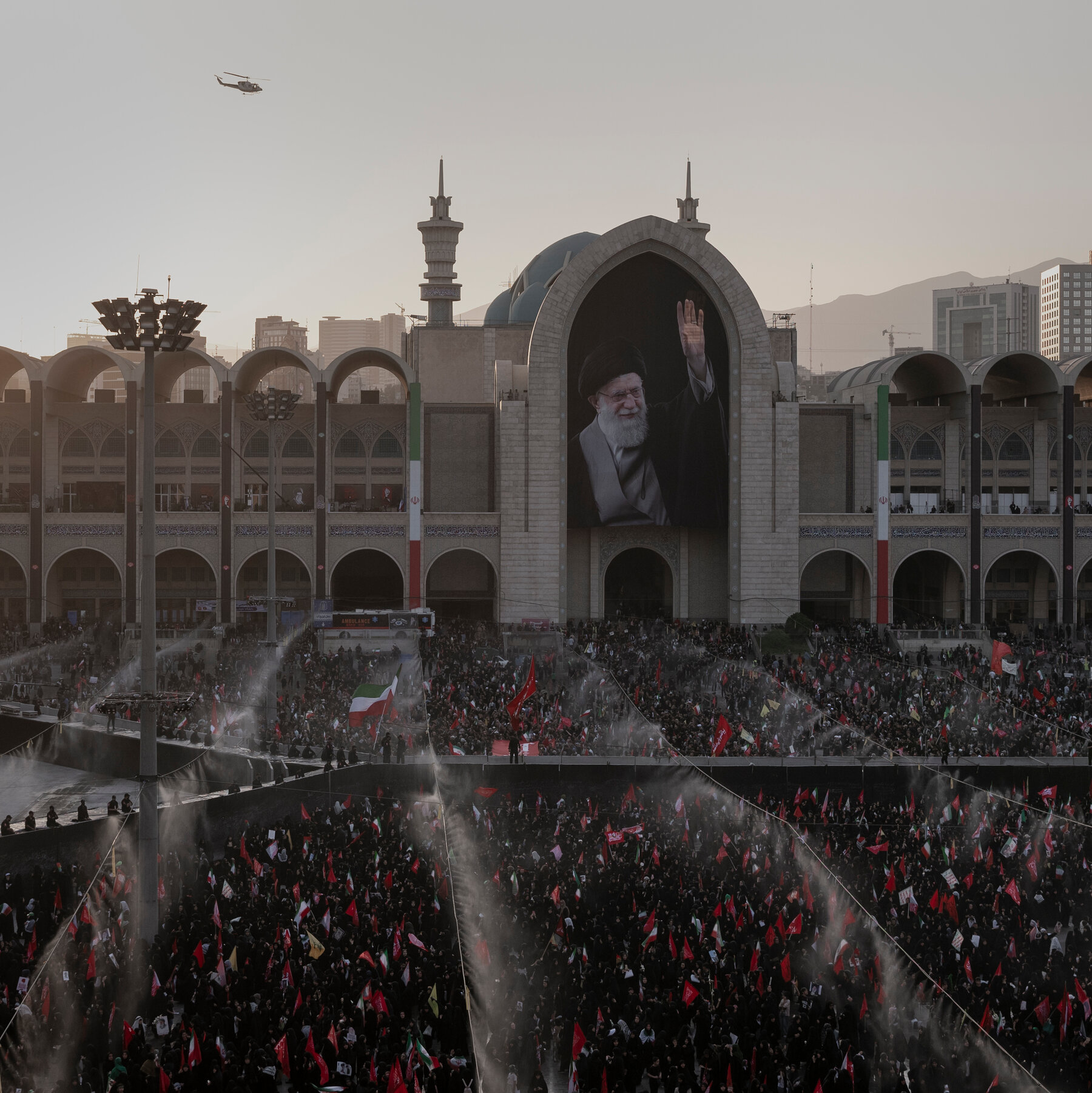
Iran has grown more confident in its military capabilities after six months of war with the U.S. and its allies, according to U.S. Intelligence Officials. Tehran's leadership is now more unified around hard-line factions and believes it can withstand further American attacks while using control of the Strait of Hormuz as leverage. U.S. officials warn this confidence may push Iran toward major escalation, including attacks on American forces and shipping, if the confrontation continues.
The assessments show little evidence Iran wants to negotiate an end to the war. Some U.S. officials believe Tehran may deliberately prolong the conflict through November's midterm elections to increase political pressure on President Trump and the Republican Party.
Iran's Damage and Newfound Confidence
Despite sustaining significant military damage over six months, Iran has emerged from the conflict with greater confidence in its missile, drone, and broader military capabilities, according to U.S. intelligence assessments. Iran's attacks on U.S. military bases in the Middle East killed three Americans in Jordan. Tehran also struck shipping in the Strait of Hormuz and damaged infrastructure in Kuwait and elsewhere. These actions appear to have reinforced Iran's belief that it can absorb American retaliation and continue fighting.
Iran Believes U.S. Firepower Has Limits
According to U.S. intelligence reports, Iran now believes the United States is less able to launch major additional attacks. Tehran assesses that American stocks of missiles and ammunition have declined sharply. This perception reduces Iran's fear of a large-scale U.S. strike. Rep. Jason Crow noted that Iran views its position "rather optimistically" and is pursuing "a far more long-term strategy than before." Iran believes it has learned valuable lessons from successive rounds of fighting.
Trump's Pressure Strategy vs. Escalation Risk
President Trump is reportedly holding off on negotiations because he believes economic pressure could force Tehran to make concessions on the Strait of Hormuz and later on its nuclear program. However, U.S. officials warn that additional sanctions could instead provoke further escalation rather than force Iran to the negotiating table. This disagreement reflects uncertainty about whether pressure will convince Iran to give ground or harden its stance.
Internal Unity Strengthens Iran's Position
The assessments indicate that Iran's internal opposition has weakened significantly over the six months of conflict. The ruling system has consolidated around hard-line factions, contributing to greater cohesion within Tehran's leadership. This unified stance makes negotiation even less likely. Iranian officials believe their population will accept prolonged conflict if it frustrates the United States, removing a key pressure point for ending the war.
Sentiment
Mostly NegativeNEGATIVENEUTRALPOSITIVE
Publishers
13
Articles
5
Reach
18
A
AnonymousAuthor


