Xiaomi's Dual Profit Squeeze
Xiaomi's Q2 Profits Squeezed by Smartphone Margin Slump and Growing EV Losses
Key Points
Each RMB100 in Xiaomi smartphone sales yielded RMB8.50 gross profit, down from RMB11.50 a year earlier, highlighting stronger margin compression on lower-end models.
Omdia notes that more than half of Xiaomi’s shipped phones are priced below $200, placing the company among the top five brands most at risk from higher memory prices; described as a 'structural repricing' for smartphones.
The EV segment’s gross margin narrowed to 19.2% in Q2 from 26.4% a year earlier, even as EV revenue rose 15.9% year over year to 23.9 billion yuan, indicating continued profitability pressure from higher core-component costs and AI-related expenses.
Xiaomi’s new-initiatives segment continued to incur heavy spending, with Q2 operating expenses at 7.4 billion yuan (up 25.7% year over year) and capex of 2.4 billion yuan directed to these initiatives; group R&D spending rose 18.9% to 9.2 billion yuan.
Xiaomi posted a 42.6% drop in Q2 net profit, missing analyst estimates as surging memory costs and heavier spending on electric vehicles squeezed earnings, according to TEISS. Adjusted net profit fell to 6.2 billion yuan ($860 million), well below the 6.6 billion yuan consensus forecast.
The pain spread across the first half of 2026. Net profit dropped 37.6% year over year to 14.2 billion yuan, while revenue fell 8.4% to 208.06 billion yuan. The results expose a two-front battle: shrinking margins on budget smartphones and mounting losses in Xiaomi's push into electric vehicles and AI.
Memory Costs Hit Budget Phones the Hardest
Xiaomi's smartphone gross margin fell to 8.5% in Q2, down from 11.5% a year earlier. That means every 100 yuan in phone sales produced just 8.50 yuan in gross profit — compared to 11.50 yuan before. Higher memory chip prices are the chief culprit, according to TEISS.
More than half of Xiaomi's shipped phones are priced below $200, placing it among the top five brands most exposed to memory price spikes, per research firm Omdia. Omdia called the pressure a "structural repricing" for smartphones. Shipments fell 26.5% to 31.2 million units in the quarter, even as the average selling price rose 25.9% to a record 1,351 yuan. Smartphone and AIoT revenue slipped 11.3% overall.
EV Segment Posts Second Straight Quarterly Loss
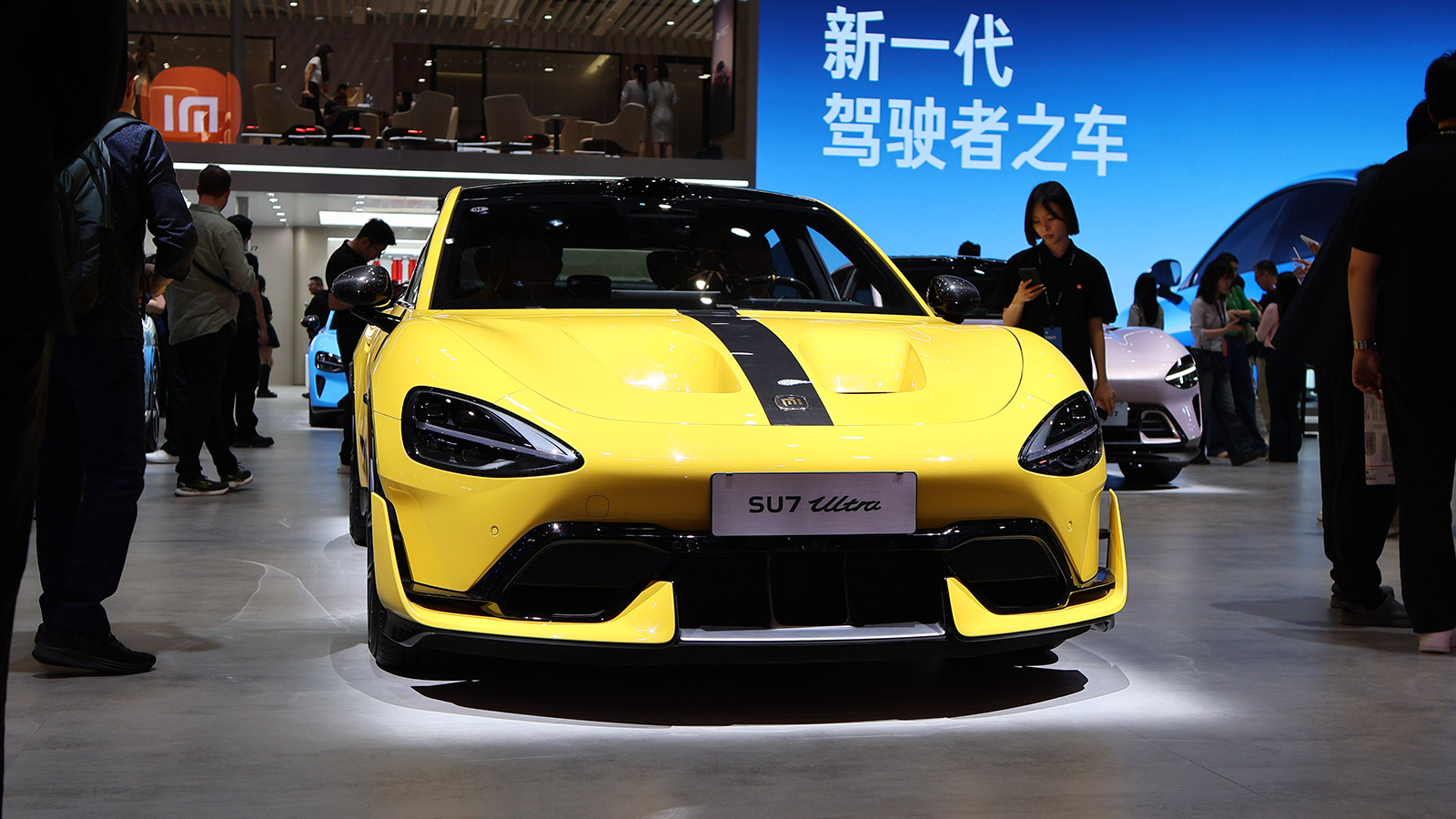
Xiaomi's electric vehicle and AI unit stayed in the red for a second consecutive quarter, according to CNEVPost. The segment's operating loss hit 2.6 billion yuan in Q2. That came despite EV revenue rising 15.9% year over year to 23.9 billion yuan ($3.5 billion), per Electric Vehicles.
Deliveries reached 104,199 vehicles in Q2, up 28.2% from a year earlier. But the EV segment's gross margin narrowed sharply — dropping to 19.2% from 26.4% a year ago. Higher component costs and AI-related spending are eating into gains from stronger sales volumes, according to Electric Vehicles.
Xiaomi Pours Cash Into AI and New Initiatives
Xiaomi is spending heavily to build out its AI and new-technology businesses. Q2 operating expenses for the new-initiatives segment hit 7.4 billion yuan — up 25.7% year over year. Capital spending on these initiatives reached 2.4 billion yuan in the quarter alone, per CNEVPost.
Group-wide research and development spending rose 18.9% to 9.2 billion yuan. The heavy investment reflects Xiaomi's bet that AI and EVs will drive future growth. But right now, those bets are a drag. Combined with weak smartphone margins, they pushed adjusted net profit down 42.8% for the first half of 2026 to 12.29 billion yuan.
Scale and Profitability Remain Elusive Goals
Xiaomi faces a classic growth trap. It is selling more EVs and raising phone prices, but costs are rising faster than revenue. The company needs scale in EVs to bring unit costs down — and it needs memory prices to ease to restore smartphone margins, per 95KQDS.
For now, neither condition is in place. EV deliveries are growing at 28% a year, but margins fell by more than seven percentage points in a single year. Smartphone prices hit a record high, but fewer people are buying. Until those gaps close, Xiaomi's bottom line will stay under pressure.
Sentiment
Mostly NegativePublishers
16
Articles
65
Reach
81