Traditional Medicine Meets Modern Innovation
Ayurveda Expands Across Healthcare, Technology, and Luxury Wellness Sectors Worldwide
Anonymous
Key Points
1
The Mohan Babu University conference was sponsored by the Indian Council of Social Science Research and included participation from pharmaceutical-sector and regulatory figures, including Glory Pharma Chem India CFO Dr. Ramachandra G. Reddy and Pharmacy Council of India executive member Dr. M. Niranjan Babu.
2
Conference participants discussed Tele-AYUSH, community participation and health education as ways to expand access, while also linking AYUSH to One Health, environmental sustainability and the Sustainable Development Goals.
3
The Ministry of Ayush’s AI ecosystem includes distinct tools for different users: the MAISP chatbot for public information, ARP Research Assistant for literature searches, eLMS Chatbot for student management, e-CHARAK for medicinal-plant trade, Yoga Saarthi for yoga recommendations and Nivesh Saarthi for investment guidance.
4
An Ayurveda use case developed by the Ministry of Ayush with the World Health Organization was included in the IndiaAI Impact Casebook on Health, focusing on retrieval-augmented generation as a way to support evidence-based Ayurvedic decision-making.
5
At The Ritz-Carlton, Bangalore, the dining component is based on Ritucharya, Ayurveda’s seasonal-eating principle, with ingredients, cooking methods and spice profiles adjusted to the time of year; the program’s sound-healing session is led by wellness instructor Subigya Sigdel, who attributes his recovery from wheelchair use to Ayurveda and yoga.
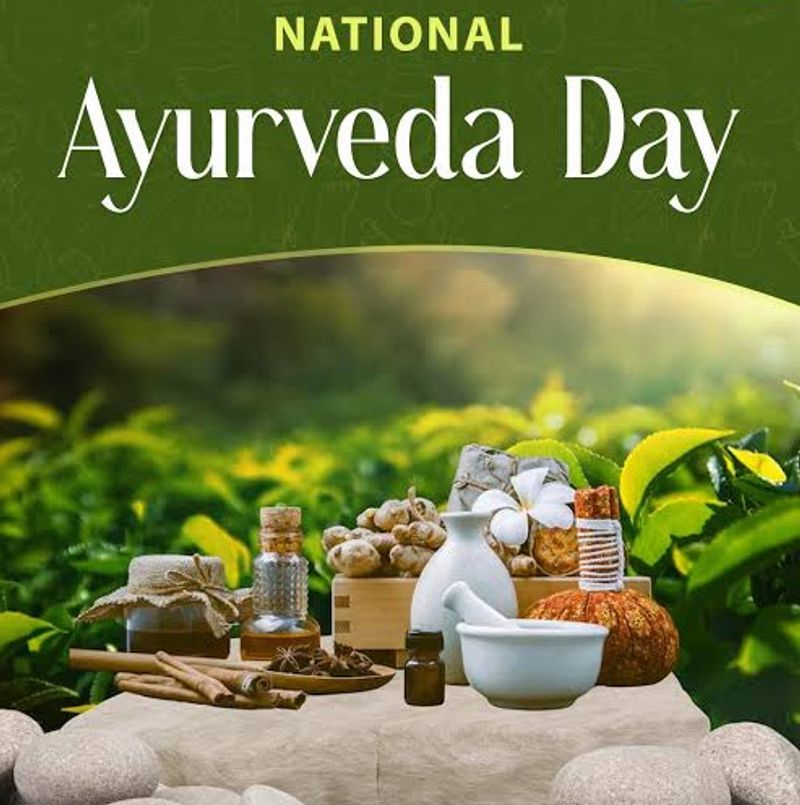
Ayurveda is moving beyond ancient textbooks into hospitals, hotels, and smartphone apps across India and beyond. The Ministry of Ayush is building artificial-intelligence tools to spread traditional medicine knowledge, while luxury wellness centers and universities are weaving Ayurvedic practices into modern healthcare. News on Air reports the 11th National Ayurveda Day, observed on September 23, centers on preventing disease through daily routines rather than treating illness after it strikes.
From personalized dosha consultations at five-star hotels to AI chatbots guiding the public, Ayurveda is becoming a lifestyle choice for millions. Business News This Week highlights how research, innovation and global partnerships are positioning traditional Indian medicine as a credible complement to modern healthcare systems.
Luxury Hotels Launch Personalized Ayurvedic Wellness Programs
The Ritz-Carlton in Bangalore rolled out a signature Ayurvedic wellness program tailored to each guest's dosha, or body constitution. The program combines one-on-one dosha consultations, customized meals based on Ritucharya (seasonal eating), and sound-healing sessions. Wellness instructor Subigya Sigdel, who credits Ayurveda and yoga with his recovery from paralysis, leads the healing sessions using sound vibrations tied to Ayurvedic principles.
The dining component adjusts ingredients, cooking methods, and spice profiles based on the season, following ancient Ayurvedic wisdom. This integration of traditional knowledge with luxury hospitality signals growing consumer demand for holistic wellness experiences grounded in traditional medicine.
Universities Examine Ayurveda's Role in Public Health and Prevention
Mohan Babu University hosted a national conference exploring how AYUSH (Ayurveda, Yoga, Unani, Siddha, Homeopathy) could strengthen community medicine in prevention, chronic disease management, maternal and child health, mental well-being, and aging. The conference drew pharmaceutical leaders, including Glory Pharma Chem India CFO Dr. Ramachandra G. Reddy and Pharmacy Council of India executive Dr. M. Niranjan Babu.
Participants discussed Tele-AYUSH consultations and health education to expand access in underserved areas. They also linked Ayurveda to One Health principles, environmental sustainability, and the UN Sustainable Development Goals — positioning traditional medicine as part of global health solutions, not isolated practice.
Ministry of Ayush Deploys Six AI Tools for Knowledge Access
India's Ministry of Ayush is rolling out distinct artificial-intelligence chatbots and platforms to democratize Ayurvedic knowledge. The MAISP chatbot answers public health questions. The ARP Research Assistant searches scientific literature. The eLMS Chatbot manages student learning. The e-CHARAK platform tracks medicinal-plant trade. Yoga Saarthi recommends personalized yoga routines. Nivesh Saarthi guides investment in the Ayush sector.
The World Health Organization collaborated with the Ministry on an Ayurveda case study included in the IndiaAI Impact Casebook on Health. The case focuses on retrieval-augmented generation — a technique that pulls relevant evidence to support Ayurvedic decision-making and strengthen the scientific foundation of traditional practice.
New York Providers Market Ayurveda to Western Wellness Seekers
Beyond India, Ayurvedic practitioners in New York are expanding the market for personalized consultations and Panchakarma services — a five-step detoxification and rejuvenation therapy. These practitioners target health-conscious consumers seeking alternatives to conventional medicine and interested in holistic, constitution-based wellness.
Daily Excelsior notes that India's National Ayurveda Day, now celebrated on September 23 instead of the traditional Dhanteras date, emphasizes prevention in kitchens and daily routines. This shift signals a transition from viewing Ayurveda as treatment-focused to seeing it as a preventive lifestyle system accessible to ordinary households.
Sentiment
Mostly PositiveNEGATIVENEUTRALPOSITIVE
Publishers
28
Articles
17
Reach
45
Topics
A
AnonymousAuthor


