Gulf Coast Flooding Threat
Tropical Storm Bertha Weakens but Still Expected to Bring Heavy Rain, Gulf Coast Flooding
Anonymous
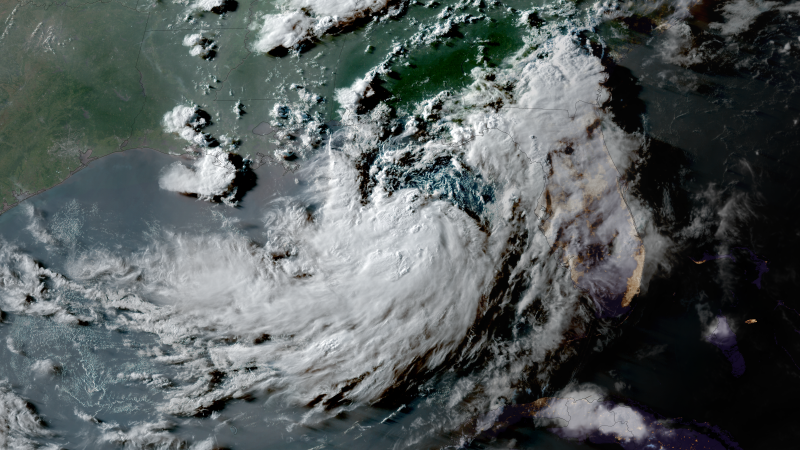
Tropical Storm Bertha is tracking toward the Gulf Coast and is expected to weaken before landfall — but forecasters warn it will still pack a punch. Mankato Free Press reports the storm could bring coastal flooding and heavy rain from the Florida Panhandle all the way to Louisiana.
The storm strengthened before entering the Gulf of Mexico, raising concerns about its impact even as it loses power. Residents along the Gulf Coast are urged to prepare for rough conditions in the coming days.
Storm Weakens but Flooding Threat Remains Real
Bertha is expected to lose strength as it moves across the Gulf of Mexico. But a weaker storm still means danger. Decatur Daily notes that forecasters say coastal flooding and heavy rain remain serious risks even as wind speeds drop.
Coastal flooding happens when storm surge pushes seawater onto land. It can damage homes and block roads quickly. Even a weakening tropical storm can dump several inches of rain in just a few hours, turning streets into rivers.
Florida Panhandle to Louisiana in the Crosshairs
The storm's path puts a wide stretch of the Gulf Coast at risk. HJ News reports the danger zone runs from the Florida Panhandle west to Louisiana. That covers hundreds of miles of low-lying coastline that is especially vulnerable to flooding.
This stretch of coast includes major cities like Pensacola, Mobile, Biloxi, and New Orleans. Many of these areas sit just a few feet above sea level. Even modest storm surge can cause significant damage in communities like these.
Bertha Gained Strength Before Entering the Gulf
The storm did not arrive in the Gulf weak. SWOK News reports that Bertha strengthened before moving into the Gulf of Mexico. That earlier burst of energy added to concerns about what the storm could still deliver at landfall.
Tropical storms can hold onto moisture and energy even as wind speeds fall. That means Bertha could still drop heavy rainfall totals inland. Flash flooding is a major risk far from the coastline when storms move slowly over land.
What Gulf Coast Residents Should Do Right Now
Forecasters are urging people along the Gulf Coast to stay alert and have a plan. Coastal flooding can rise fast and cut off escape routes. Residents in low-lying areas should know their evacuation routes before the storm arrives.
Experts recommend stocking at least 72 hours of supplies — water, food, and medicine. People should also avoid driving through flooded roads. Just 12 inches of moving water can sweep a car off the road, according to emergency safety guidelines.
Sentiment
NeutralNEGATIVENEUTRALPOSITIVE
Publishers
6
Articles
6
Reach
6
A
AnonymousAuthor


