Crude Exports Rebound
Middle East crude oil exports rebound to 12.8 million barrels per day in September.
Anonymous
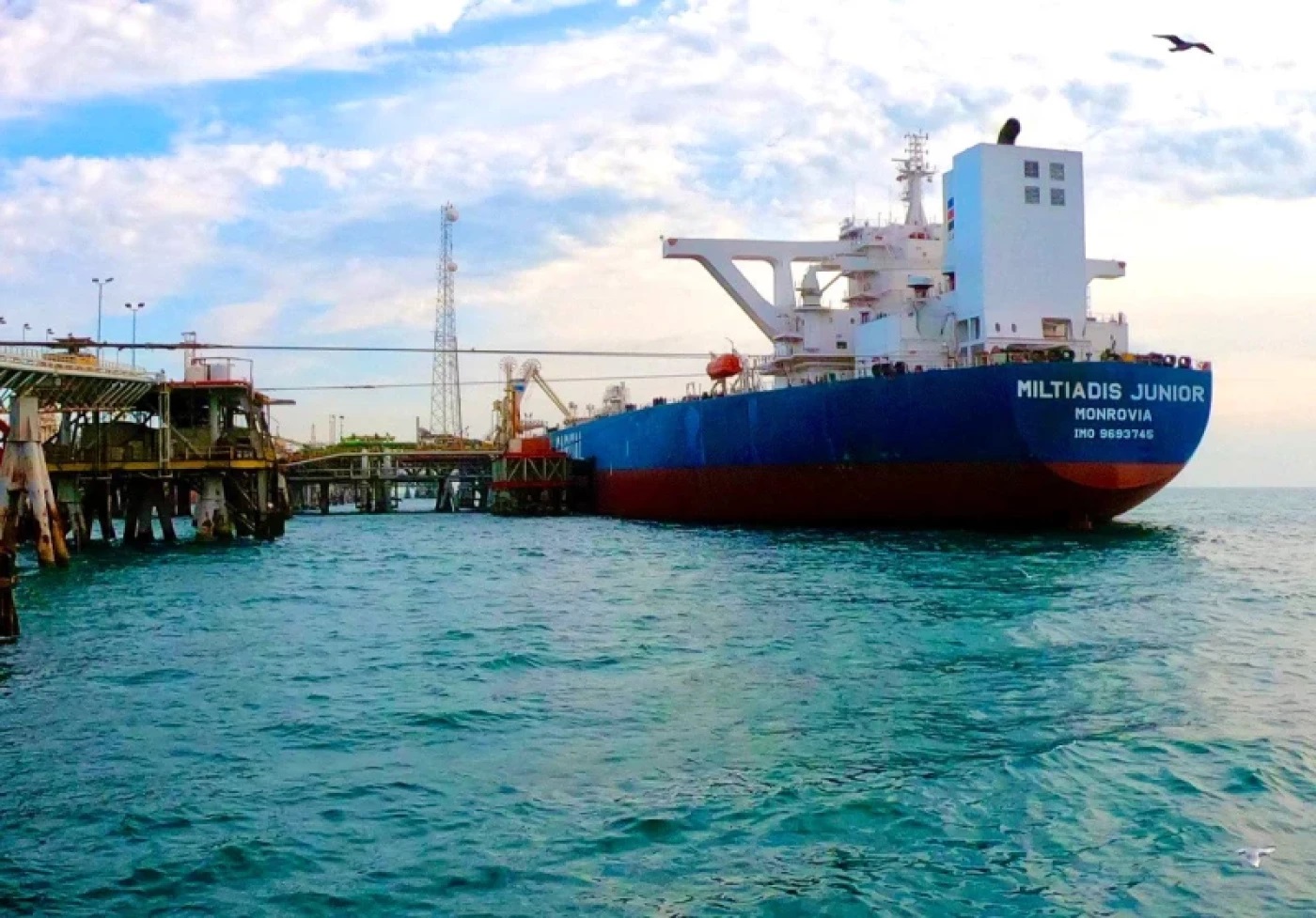
Middle Eastern crude exports rose to 12.8 million barrels per day in September, their highest level since the U.S.-Israeli war with Iran began in February, as shipments from Saudi Arabia and the United Arab Emirates increased and traffic through the Strait of Hormuz recovered. Hormuz exports were expected to reach about 7.4 million barrels per day, with Saudi Arabia shifting some shipments from the Red Sea port of Yanbu after attacks damaged its East-West pipeline. Saudi exports were projected at 5.4 million barrels per day, up sharply from August, while Ras Tanura loadings also climbed. Despite the rebound, regional exports remained about 6 million barrels per day below February’s pre-war level; estimates may also omit vessels that crossed the strait with tracking transponders switched off.
Key Points
1
Kpler data showed that 19 very large crude carriers, each carrying about 2 million barrels of Saudi oil, exited the Strait of Hormuz in the previous week.
2
Ras Tanura shipments reached about 3.6 million barrels per day in September, up from 929,000 in August, but remained well below February’s 6.411 million barrels per day.
3
Before the war, the Strait of Hormuz typically handled about 125 large commercial vessels daily and carried roughly 20% of the world’s daily crude oil and liquefied natural gas supply.
4
One report attributed part of the supply recovery to more “shadow fleet” tankers operating with tracking systems disabled to bypass sanctions and maritime blockades against Iran.
Sentiment
Mostly NegativeNEGATIVENEUTRALPOSITIVE
Publishers
16
Articles
118
Reach
134
A
AnonymousAuthor


