Angrois Alvia Developments
Alvia Angrois Crash at 13 Years: Driver Pardon Sought, Appeals Continue, Victims Pause Protests
Anonymous
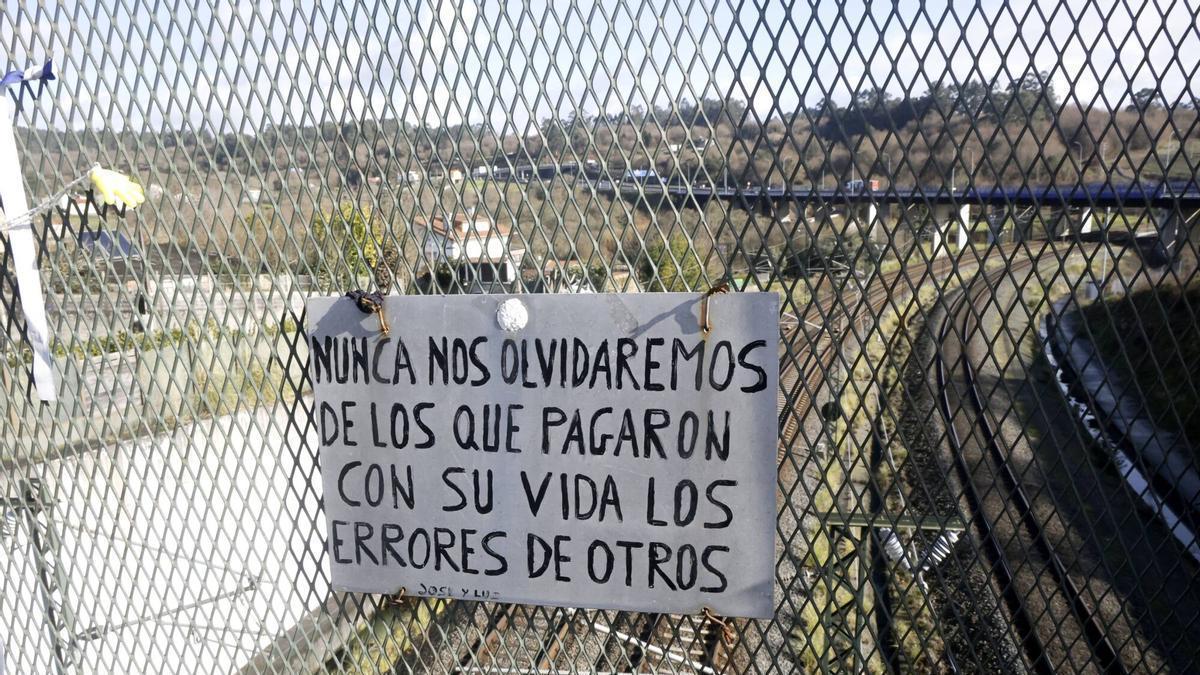
Thirteen years after the Alvia train derailment at Angrois killed 80 people and injured 145 others, the case remains far from closed. La Provincia reports that the convicted driver, Francisco José Garzón, is seeking a government pardon after receiving a two-and-a-half-year prison sentence, while lawyers for the victims push legal challenges all the way to Spain's Constitutional Court.
For the second straight year, the victims' platform held no public protest. After 11 consecutive years of street demonstrations demanding justice, the group has shifted focus to courtrooms and political pressure instead. El Periódico notes the case has taken on new urgency amid a troubling parallel: a recent near-miss accident at Adamuz on the same type of rail corridor.
The Pardon Request That Divides Victims and Lawyers
Garzón was found guilty of 80 counts of reckless homicide. His legal team has formally asked the government for an indulto — a Spanish pardon that would cancel his remaining sentence. The request has split opinion sharply. Some victims' families see it as an insult. Others say the real culprits were never held accountable.
The platform representing survivors and families has long argued that Renfe, Adif, and government officials shared responsibility for the crash. No corporate or institutional figure was convicted. Diario Córdoba reports that this sense of unfinished justice is a key reason the group refuses to treat the pardon as a simple closure.
Constitutional Court Appeals Keep Legal Fight Alive
Victims' lawyers have filed appeals before Spain's Constitutional Court, arguing that the original trial failed to investigate systemic failures in the rail network. They want judges to examine whether Adif — the public body that manages rail infrastructure — bore criminal responsibility for not installing a working safety system on that stretch of track.
The ERTMS safety system that could have prevented the crash was not active on the curve where the train derailed at nearly 190 km/h — almost double the speed limit. El Periódico notes that the Constitutional Court appeals could force a broader review of how accountability was assigned in the original verdict.
The Adamuz Incident Feels Like a Warning Replay
Just weeks before this anniversary, a train incident near Adamuz in Córdoba province rattled safety experts and victims alike. The details drew immediate comparisons to Angrois. Both cases involved a conventional rail line, a speed control failure, and a curve. No deaths occurred at Adamuz, but the similarity was impossible to ignore.
La Provincia describes the Adamuz episode as a déjà vu moment for the Angrois community. Victims' groups say it proves that Spain has not done enough to modernize safety systems on non-high-speed lines. They are using the incident to push lawmakers to accelerate investment in automatic train protection technology across the full national network.
A Platform That Chose Silence Over Street Protest
From 2013 to 2023, the victims' platform organized annual rallies in Santiago de Compostela each July 24. Tens of thousands marched. Politicians were pressured. Banners read "Justizia." But last year and again this year, the group canceled public events. Leaders say protests no longer serve their goals at this stage.
The strategy has shifted to legal and institutional pressure. La Opinión de Zamora reports the platform is now focused entirely on the Constitutional Court process and on lobbying the government to reject the pardon for Garzón. Thirteen years on, the families say the fight is not over — it has simply moved inside.
Sentiment
NeutralNEGATIVENEUTRALPOSITIVE
Publishers
5
Articles
0
Reach
5
A
AnonymousAuthor


