Sweet Potato Health Breakdown
A Dietitian Explains Key Health Differences Between Japanese and Orange Sweet Potatoes
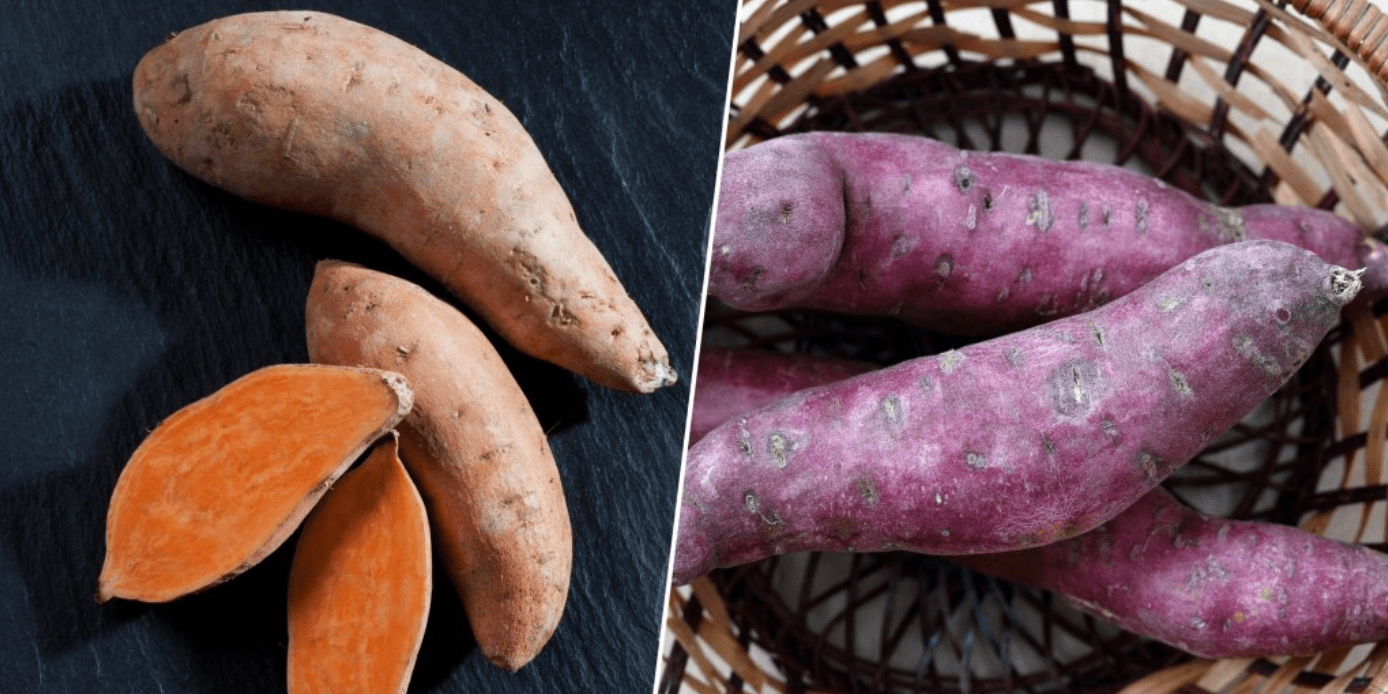
Japanese and orange sweet potatoes look similar on the outside, but they have key nutritional differences that may make one a better fit for your diet. Registered dietitian Erin Palinski-Wade explains that the Japanese variety — called satsumaimo when raw and yaki-imo when roasted — has a richer flavor and creamier texture than its orange counterpart, according to NBC Chicago.
Both types are healthy, nutrient-dense foods. But each one delivers different benefits. One is a powerhouse for vitamin A. The other is packed with antioxidants and more natural sugar. Knowing the difference can help you pick the right potato for your goals.
Orange Sweet Potatoes Win on Vitamin A
Orange sweet potatoes get their bright color from beta-carotene. The body converts beta-carotene into vitamin A. Vitamin A supports eye health, immune function, and skin health. One medium orange sweet potato can deliver well over 100% of your daily vitamin A needs. That is a major nutritional edge, according to NBC Washington.
Japanese sweet potatoes, by contrast, have white or pale yellow flesh. They contain far less beta-carotene. So if vitamin A is a priority — especially for children or people with eye health concerns — the orange variety has a clear advantage.
Japanese Sweet Potatoes Pack More Antioxidants and Sugar
Japanese sweet potatoes contain anthocyanins, a type of antioxidant found in their purple skin. Antioxidants help protect the body from cell damage and inflammation. These compounds are less common in the orange variety, giving the Japanese sweet potato a different kind of health boost, according to NBC Miami.
The Japanese variety also has more natural sugar, which is part of why it tastes sweeter and creamier when cooked. That extra sweetness can be a plus for people trying to satisfy a sweet craving with a whole food. But people watching their blood sugar should take note of the slightly higher sugar content.
Fiber Content Is Nearly Identical in Both Varieties
One area where both types are equals: fiber. Each medium sweet potato — orange or Japanese — provides roughly 3.8 to 4 grams of fiber, according to NBC DFW. That is meaningful, since most Americans fall well short of the recommended daily fiber intake of 25 to 38 grams.
Both types contain soluble and insoluble fiber. Soluble fiber helps lower cholesterol and regulate blood sugar. Insoluble fiber keeps digestion moving. Getting both types from whole foods like sweet potatoes is a simple way to support gut health, according to NBC Bay Area.
Which Sweet Potato Should You Actually Choose?
The honest answer is: both are excellent choices. If you need more vitamin A in your diet, go with the orange sweet potato. If you want more antioxidants and a sweeter taste, reach for the Japanese variety. Palinski-Wade notes that neither is a "bad" choice — they just serve slightly different nutritional purposes, according to NBC Connecticut.
The best approach may simply be to eat both. Rotating between the two gives you a wider range of nutrients. Both are affordable, widely available, and easy to prepare. Swapping either one in for processed snacks or refined carbs is always a smart move for your health.
Sentiment
NeutralPublishers
10
Articles
9
Reach
10