Clean Air, Stronger Lungs
Major Study Finds London's Ulez Significantly Boosts Children's Lung Growth and Function
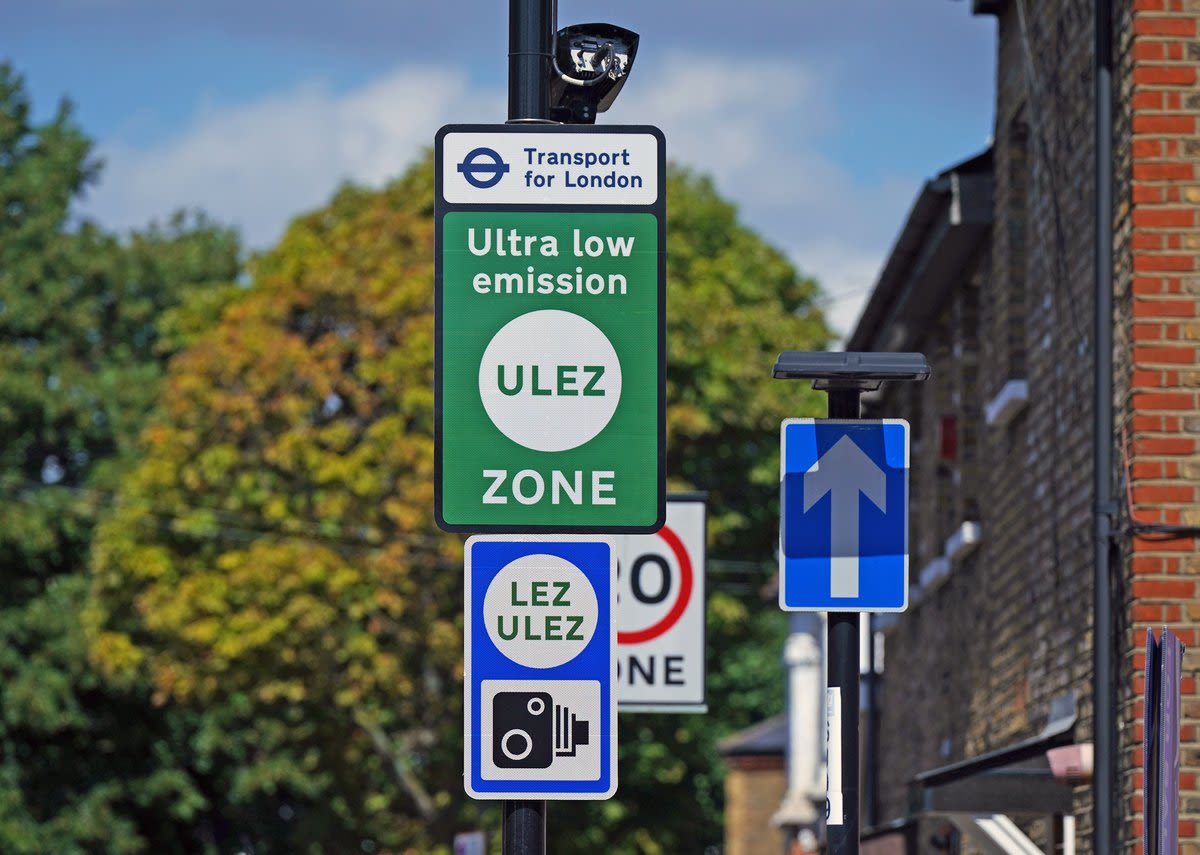
London's ultra-low emission zone (Ulez) has done more than cut pollution — it has measurably grown children's lungs. A major study by the University of Oxford and Queen Mary University of London found that Ulez led to a significant increase in lung size and function among schoolchildren, reversing damage caused by traffic pollution, according to The Guardian.
The findings cover seven years since Ulez launched and tracked children across 84 primary schools in London and Luton. Researchers say stunted lung growth — caused by dirty air — was partially restored after the zone was introduced, according to LBC.
How Ulez Works and Why Lungs Were Shrinking
Ulez charges drivers £12.50 per day to enter any London borough in a vehicle that fails modern emissions standards, according to The Evening Standard. The goal is to push the most polluting cars and vans off the road. Before the zone, children living near busy roads were breathing in high levels of nitrogen dioxide and fine particles — both known to stunt lung development.
Smaller lungs mean less breathing capacity for life. Damage done in childhood is largely permanent. That is what made the recovery found in this study so striking to researchers.
What the Study Actually Found in Children's Lungs
Scientists tracked lung growth in children at 84 primary schools. They compared schools inside the Ulez zone with those outside it, including schools in Luton as a control group. Children inside the zone showed measurably better lung size and function after Ulez was introduced, according to Yahoo News.
Asthma + Lung UK, a leading health charity, highlighted the results as proof that clean-air policy directly improves children's health. The study spans seven years of data, making it one of the most detailed looks at how low-emission zones affect real children in real cities, according to LBC.
Mayor Khan Points to Study as Vindication of Ulez
London Mayor Sadiq Khan cited the findings as direct justification for Ulez, which he has called the world's largest and most ambitious low-emission zone. The policy has faced fierce criticism from motorists and some politicians, who called the daily charge an unfair burden on working drivers, according to The Guardian.
Supporters say the study proves the charge is worth it. Critics had long argued the health benefits were unproven. This study is the strongest evidence yet that they were wrong.
Cities Around the World Should Take Note, Researchers Say
The research team said cities with heavy traffic pollution should treat ambitious clean-air zones as a priority, not an option. Traffic-related air pollution affects children's lung development in cities across Europe, Asia, and North America. London's results offer a real-world blueprint, according to Yahoo News.
The study adds to a growing body of evidence that restricting polluting vehicles in urban areas produces measurable health gains — especially for children, whose lungs are still developing. Researchers from Oxford and Queen Mary University of London say the policy should be studied and replicated globally, according to The Guardian.
Sentiment
NeutralPublishers
4
Articles
2
Reach
5


