Raspberry Pi 5's New Display
Raspberry Pi Unveils New 10-Inch Touch Display Exclusively for Pi 5 Ecosystem
Anonymous
Key Points
1
The 10.1-inch Touch Display 2 uses an IPS TFT LCD panel with 24-bit RGB color and ten-finger touch, and features a fingerprint-prone black surface; touch response latency is up to 35 ms and the backlight brightness is 400 cd/m2.
2
Physical dimensions include an active display area of 135.4 mm by 216.6 mm within an overall bezel of 161.8 x 247.3 mm, designed for mounting inside custom enclosures.
3
Compatibility is limited to Raspberry Pi 5 and Compute Module IO boards; the display requires four DSI lanes and the newer Pi 5 connector, and it is powered from the host Pi. Compute Module users must use an IO Board to supply power via GPIO.
4
Raspberry Pi OS provides full driver support for the touchscreen out of the box with no manual configuration required.
Raspberry Pi has launched a 10-inch version of its Touch Display 2 for $80, giving developers and hobbyists the largest official touchscreen the company has ever sold. The new panel packs a 1200×1920 resolution IPS screen with ten-finger touch support and 24-bit color, according to The Verge.
The display joins the existing 5-inch and 7-inch models in the Touch Display 2 lineup. But there is a catch: it only works with Raspberry Pi 5 and Compute Module IO boards, leaving Pi 4 owners out in the cold, Neowin reported.
A Bigger Screen Built for Pi 5 Only
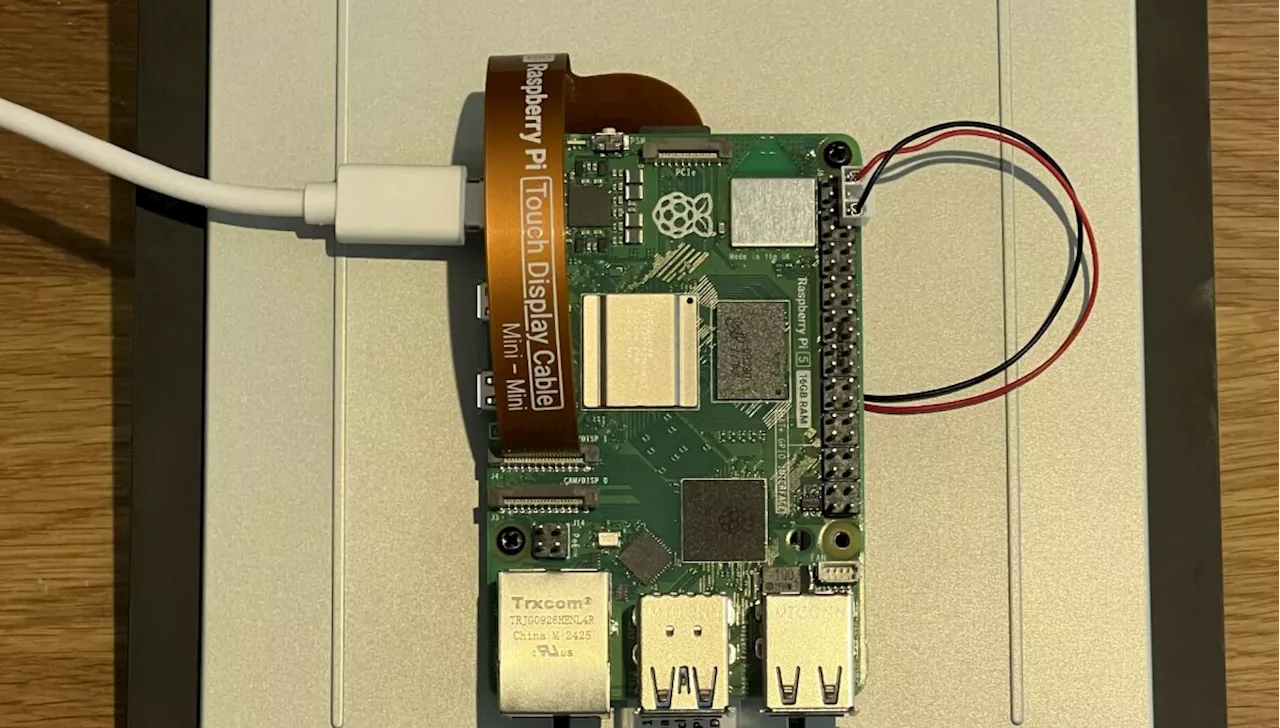
The 10.1-inch display requires four DSI lanes — a type of high-speed data connection — and uses a newer connector found only on the Raspberry Pi 5. That means Pi 4 and older boards simply cannot drive it. Compute Module users must connect through an IO Board, which handles power delivery via GPIO pins, Neowin noted.
Raspberry Pi OS supports the touchscreen out of the box. No manual driver setup is needed. The display draws power directly from the host Pi, keeping the setup clean and cable-light, according to NotebookCheck.
Sharp Specs but a Few Real-World Trade-Offs
The IPS panel hits 400 cd/m2 of brightness and offers 85-degree viewing angles. Touch response latency runs up to 35 milliseconds — fast enough for most interactive projects. The active display area measures 135.4 mm by 216.6 mm, sitting inside a bezel that stretches to 161.8 mm by 247.3 mm, NotebookCheck reported.
The black surface is fingerprint-prone, which matters for kiosk or dashboard builds. How-To Geek also flagged that running a Pi 5 under heavy load inside a tight enclosure could raise cooling concerns, since the display sits close to the board.
Home Assistant Dashboards Get a Long-Awaited Upgrade
The extra screen real estate is a big deal for Home Assistant users. The popular smart home platform runs on Raspberry Pi and benefits directly from a larger touch interface. How-To Geek called the 10-inch model a display that "finally makes Home Assistant dashboards more usable."
Beyond smart home use, Raspberry Pi targets the display at kiosks, robotics, and entertainment systems. The display ships with all necessary cables and mounting hardware included in the $80 price, according to Head Topics.
Raspberry Pi Keeps Building Out Its Pi 5 Ecosystem
The 10-inch display is the latest in a string of accessories Raspberry Pi has released around the Pi 5. The company is clearly pushing the newer board as the platform for serious builds. Locking the display to Pi 5 nudges users toward upgrading, even if it frustrates those still on older hardware.
At $80, the display undercuts many third-party options with similar specs. The Verge noted it joins a lineup that now spans three sizes, giving builders a clear ladder from compact to full-panel projects without leaving the official Raspberry Pi ecosystem.
Sentiment
Mostly PositiveNEGATIVENEUTRALPOSITIVE
Publishers
10
Articles
4
Reach
14
A
AnonymousAuthor


